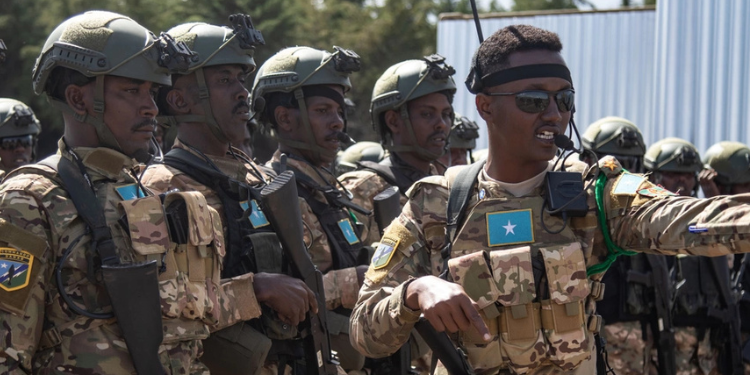
Violence has erupted in the centre of Baidoa, Somalia’s administrative capital of South West state, as federal government forces clashed with armed groups linked to the former state leadership.
The clashes began after armed groups entered Baidoa from two directions and confronted federal troops stationed in the city, according to a local resident and a federal military officer. The fighting involved heavy weapons and reportedly spread into residential areas, leaving civilians caught in the crossfire as government forces sought to repel the advancing opposition groups.
Baidoa is one of Somalia’s largest urban centres and has a population of more than one million people. It is also a major humanitarian hub, hosting international aid organisations and peacekeeping personnel while providing refuge to hundreds of thousands of people displaced by conflict, drought, hunger and insecurity elsewhere in the country.
The escalation threatens to widen the impact of the conflict beyond the front lines, disrupting aid operations and compounding the already dire food insecurity confronting vulnerable communities.
According to Captain Osman Abdullahi, a Somalia federal military officer, “the armed militias attacked Baidoa this morning, we are pushing them back.”
He added that, “there are casualties as stray bullets enter houses.”
The renewed clashes are rooted in a deeper political and security dispute between Somalia’s federal authorities and South West State’s leadership.
Federal forces have controlled Baidoa since March, when the Somalia National Army seized the city in an operation that led to the resignation of Abdiaziz Laftagareen. His supporters have continued to oppose the federal government’s actions, setting the stage for renewed tensions in one of the country’s most strategically important cities.
Laftagareen’s spokesperson, Hassan Mohamed, claimed in a post that forces loyal to the former state leader had captured Baidoa and called on federal troops to surrender.
Clashes Threatens Displaced Families
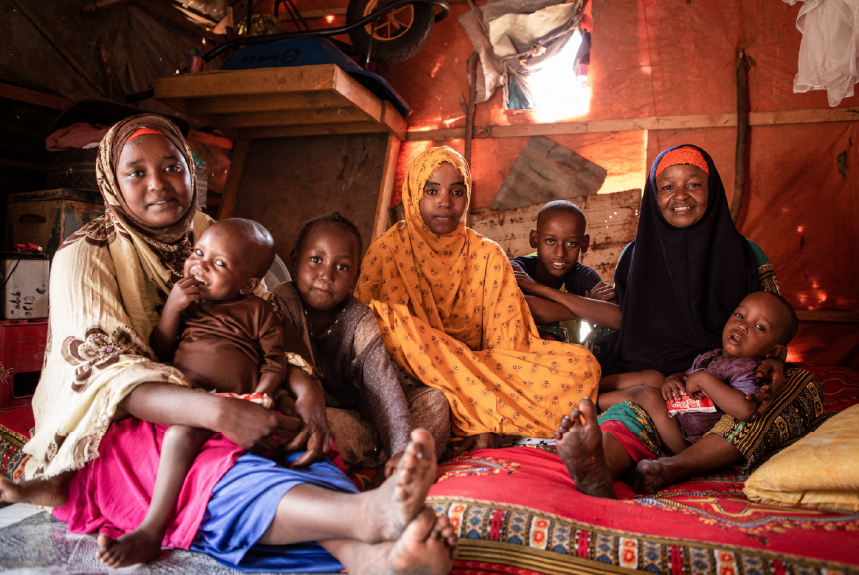
The timing of the clashes is particularly concerning because Baidoa is home to hundreds of thousands of displaced people who depend heavily on humanitarian assistance for food, healthcare, water and other essential services.
Many of those displaced have already fled conflict and climate-related disasters in other parts of Somalia. For families living in displacement sites, access to aid can mean the difference between survival and further deterioration in health.
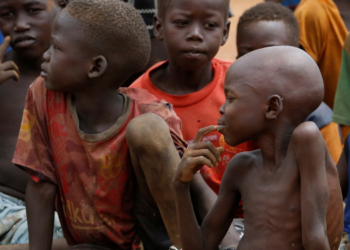
The humanitarian situation has become especially critical for children. A July survey by Médecins Sans Frontières found that one in four children living in displacement sites in Baidoa were severely malnourished, illustrating the scale of the crisis facing vulnerable families even before the latest fighting.
The outbreak of violence could make an already difficult situation considerably worse if humanitarian organisations are forced to suspend operations, reduce movements or withdraw personnel because of security concerns.
Baidoa’s role as a base for international humanitarian agencies means instability in the city could also affect the wider humanitarian response across South West state.
The situation arises at a time when funding for Somalia’s humanitarian response is already severely limited. Aid agencies have cautioned that their capacity to address expanding needs, especially those of children and displaced populations, is being hampered by decreased foreign funding.
Families in Baidoa run the possibility of experiencing multiple crises at once as a result of another round of armed conflict: hunger, instability, relocation, and restricted access to basic services.
The security situation is especially delicate due to the presence of humanitarian organisations and international peacekeepers in the city. Any protracted violence could make it more difficult for relief workers to reach areas in need of immediate help and restrict movement around humanitarian facilities.
The confrontation also threatens to deepen political divisions within South West state at a time when Somalia’s federal system continues to face tensions between the national government and regional administrations.
Control of Baidoa carries significant political and strategic importance. As the administrative capital of South West state and a major population centre, the city is crucial to the federal government’s efforts to consolidate authority and to the regional leadership’s claims to political autonomy.
The March takeover by federal forces marked a major shift in that struggle. The latest confrontations indicates that the underlying dispute remains unresolved.
Baidoa has already absorbed the consequences of years of conflict and repeated humanitarian emergencies. Another escalation could place thousands of vulnerable families at even greater risk, particularly children suffering from severe malnutrition.
With federal forces and armed groups continuing their struggle for control of the city, the true cost of the confrontation may not be reflected solely in territorial or political gains. Civilians trapped amid Somalia’s enduring political and security disputes are likely to bear much of the burden through loss of life, displacement and the destruction of livelihoods.
READ ALSO: Johnny Depp in Talks for Pirates of the Caribbean 6 Return