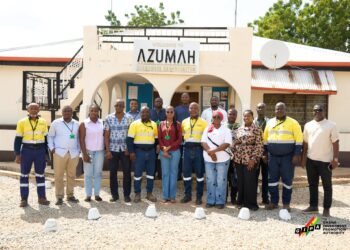

The National Concerned Small-Scale Miners Association, Ghana (NCSSMAG), strongly supports the government’s initiative to formalise unlicensed mining activities through the Responsible Cooperative Mining Scheme.
The association sees this initiative as a practical and more sustainable alternative to relying primarily on force to address illegal mining, popularly known as galamsey.
The association expresses concern over the New Patriotic Party’s (NPP) opposition to the formalisation of unlicensed mining activities proposed by the Ghana Gold Board (GoldBod). We believe formalisation offers a practical opportunity to bring miners into the legal framework, improve regulatory compliance and reduce the harmful effects of mining on our environment.
“Our position is simple: if the NPP disagrees with this approach, the party must tell Ghanaians what better alternative it proposes. It is not enough to criticize a policy without presenting a workable solution to a problem that continues to affect our communities, forests and water bodies.”
National Concerned Small-Scale Miners Association, Ghana (NCSSMAG)
Expanding on its endorsement of the scheme, the association emphasizes that integrating informal operators into a structured system creates a pathway toward environmental accountability and resource governance.
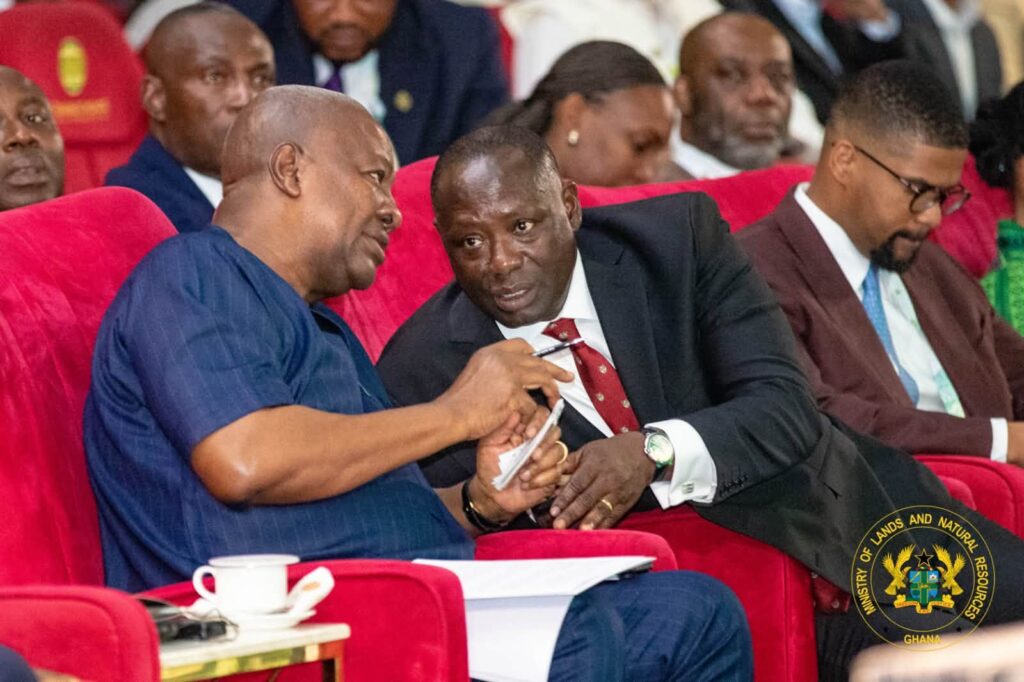
By transitioning miners from illegal operations to legal cooperatives, the policy seeks to curb land degradation, mitigate water pollution, and establish strict adherence to mining standards.
NCSSMAG contends that political resistance to this structured transition hinders national efforts to stabilize the artisanal mining sector, urging all stakeholders to prioritize sustainable environmental practices over partisan debates.
Evaluating the Limitations of Security Operations
For years, security-led enforcement mechanisms have dominated Ghana’s strategy in combating illegal mining, yet these interventions have failed to yield lasting solutions.
The continuous deployment of military task forces has often led to temporary disruptions rather than permanent cessation of illegal activities across mining enclaves.
“Ghana cannot continue to rely on the same enforcement methods and expect different results,” NCSSMAG observed, stressing that security interventions alone cannot resolve the socio-economic drivers of informal mining.

Despite high-profile state operations such as Operation Vanguard and GalamStop, illegal mining remains a major national concern that threatens critical forest reserves and river bodies.
This ongoing reality underscores the urgent need for fresh thinking, practical solutions, and a more sustainable approach to resource extraction.
Consequently, relying solely on raids, arrests, and machinery destruction has proved insufficient without offering illegal operators a clear legal alternative.
Historical Context and Policy Evolution
The effort to regulate small-scale mining in Ghana dates back several decades, reflecting an evolving legislative framework intended to harmonize local extraction with state oversight.
Since the introduction of the PNDC law on small-scale mining in 1989 under the leadership of former President Jerry John Rawlings, Ghana has made continuous efforts to regulate the industry.

However, structural bottlenecks, bureaucratic delay in licensing, and limited access to capital have historically pushed thousands of local miners into informal, unregulated operations.
“We must recognize that the fight against illegal mining requires more than the deployment of security personnel, arrests, and the destruction of mining equipment,” the association noted in its analysis of historical enforcement gaps.
Addressing these systemic barriers requires policy frameworks that lower the entry threshold for local operators while enforcing strict statutory compliance.
Building a Sustainable Framework Through Formalisation
Establishing a functional, cooperative-based mining framework presents a viable pathway toward long-term environmental management and legal integration.
Under the Responsible Cooperative Mining Scheme, informal miners are organized into traceable corporate entities capable of receiving training, equipment, and regulatory monitoring.

Stakeholders maintain that creating a comprehensive strategy that addresses the challenges preventing miners from entering the formal sector is essential for protecting national water bodies and land resources.
By aligning local operations with the legal framework proposed by GoldBod, the initiative provides a structured mechanism to monitor gold production, secure state revenues, and implement effective land reclamation programs.
Ultimately, transitioning informal miners into regulated cooperatives ensures that everyone who engages in mining operates strictly within the law while safeguarding the nation’s natural environment for future generations.
READ ALSO: World Athletics Targets Lasting Social Impact Through Kids’ Athletics