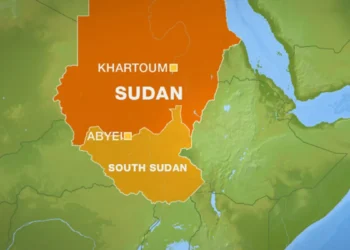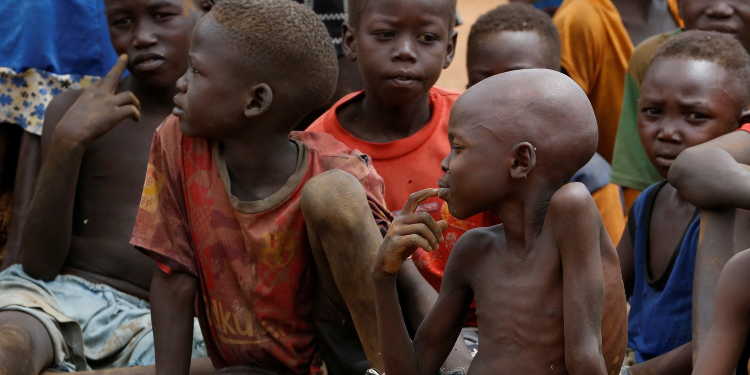
Sudan’s worsening drought, driven by the El Niño climate pattern, is threatening to deepen an already severe hunger crisis, as failed harvests, dying livestock and dwindling humanitarian assistance leave millions of people increasingly vulnerable to famine after more than three years of civil war.
According to the latest report, the drought is hitting the country as farmers struggle to recover from conflict that has disrupted agricultural production, displaced rural communities and restricted access to food supplies.
With rainfall reaching its lowest levels in decades across several regions, humanitarian agencies warn that the anticipated improvement in food availability during the November and December harvest season may no longer materialise.
The United Nations-backed Integrated Food Security Phase Classification (IPC), the global hunger monitoring initiative, warned in an alert that the risk of famine was increasing in conflict-affected areas, with drought caused by El Niño compounding already desperate conditions.
Rainfall Shortages Threaten Harvests
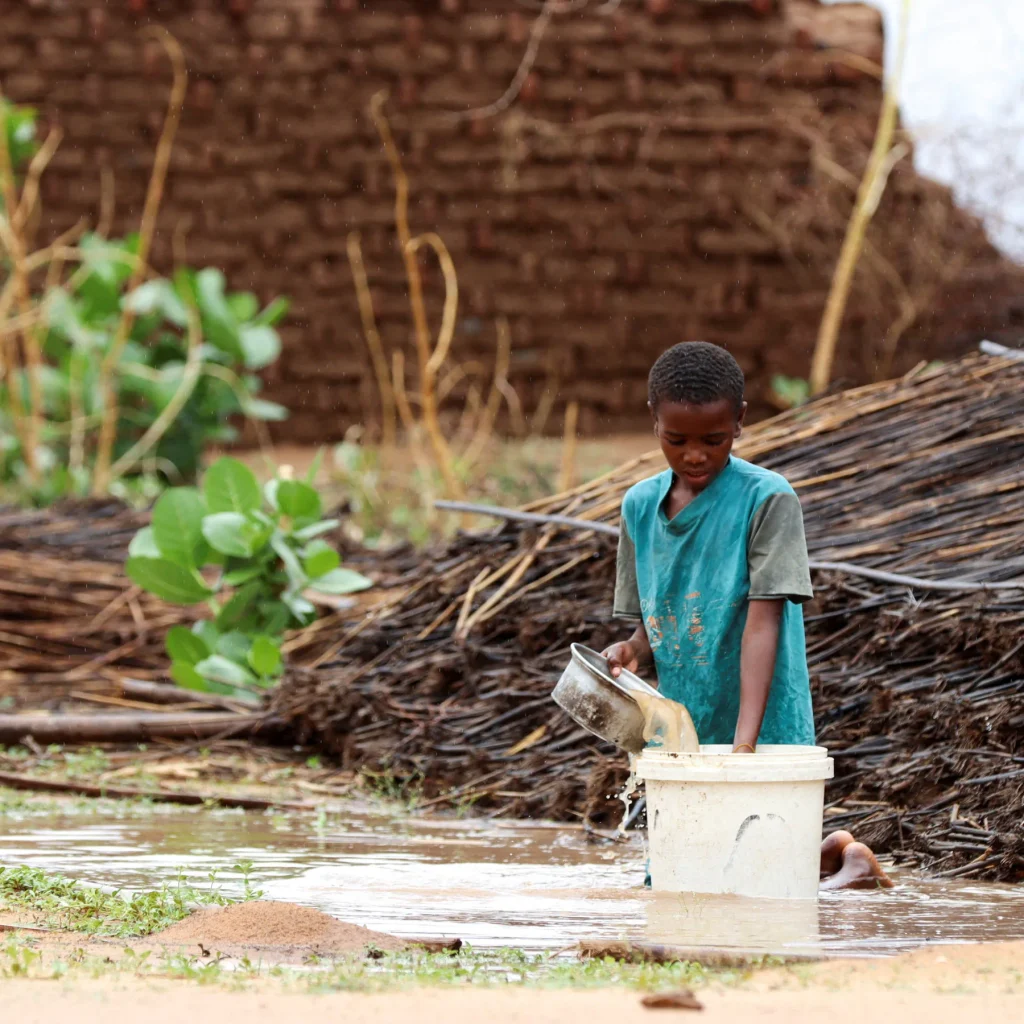
Data from the United States Geological Survey (USGS) shows that rainfall between July and September, Sudan’s peak rainy season, was the lowest in more than three decades across the country.
North Darfur, in western Sudan, recorded its lowest rainfall since 1984, the year a devastating famine struck Sudan and Ethiopia. North Kordofan, in the central region, experienced its lowest rainfall since 1990, while rainfall in Gedaref state in the southeast fell to its lowest level since 1991.
The deteriorating conditions are also threatening agricultural production in Gedaref, a state that has remained important to Sudan’s food supply during the war because it escaped much of the fighting.
However, its relative security has offered little protection against the weather. Temperatures in Gedaref ranged between seven and nine degrees above the historical average.
The deteriorating outlook contrasts with the Sudanese government’s assessment of the harvest.
The IPC’s latest assessment is expected to clarify the scale of the deterioration. In June, the organisation estimated that 5.1 million people in Sudan were facing severe hunger, with updated figures still being prepared.
Those numbers had been expected to decline as harvesting began in November and December, supported by a lull in fighting in some areas. The drought has now placed those anticipated gains in doubt.
Humanitarian Aid and Food Rations Decline
The worsening agricultural outlook is placing additional pressure on humanitarian agencies already struggling to reach millions of people affected by the war.
The United Nations World Food Programme (WFP) forecasts that an additional 350,000 people will experience severe hunger by the end of 2026, with the number expected to rise to 1.2 million more by August 2027.
The WFP has concentrated its food assistance on the five million people considered most in need but acknowledges that it cannot reach everyone requiring support. For those it can serve, the agency has reduced rations to stretch its limited resources.
However, according to a recent update, WFP had $276 million available for its Sudan operation, less than half of its budget for the previous year. It estimates that an additional $134 million is needed to address hunger resulting from the drought.
Carl Skau, the WFP’s Acting Executive Director, described the simultaneous decline in humanitarian assistance and agricultural production as a “recipe for disaster” after visiting Darfur.
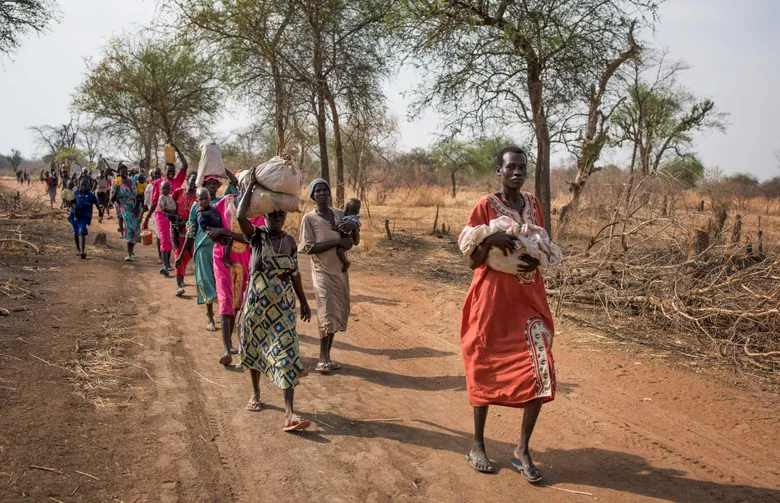
The consequences are already visible in displacement camps, where families fleeing the conflict are increasingly struggling to secure food.
In Tawila, a sprawling camp in Darfur hosting approximately 700,000 people displaced by the war, food rations have been halved, according to Skau. The reductions have come as aid workers report that another 9,000 people arrived between the beginning of September and mid-October.
According to Adam Rojal, spokesman for the General Coordination of Internally Displaced Persons and Refugee Camps in Sudan, the worsening hunger is increasingly driving displacement, adding to the insecurity created by the fighting.
Meanwhile, the crisis is unfolding against a history of repeated food emergencies. The IPC declared pockets of famine in Sudan in 2024 and 2025, including in al-Fashir, where government forces and their allies, alongside as many as a quarter of a million people, endured an 18-month siege by the rival Rapid Support Forces (RSF) before the city fell.
The current drought threatens to compound the effects of a conflict that has already restricted movement, damaged livelihoods and disrupted the delivery of humanitarian supplies.
Humanitarian agencies have repeatedly accused both Sudanese government forces and the RSF of blocking or hindering aid deliveries during the conflict.
Sudan Faces Uncertain Future
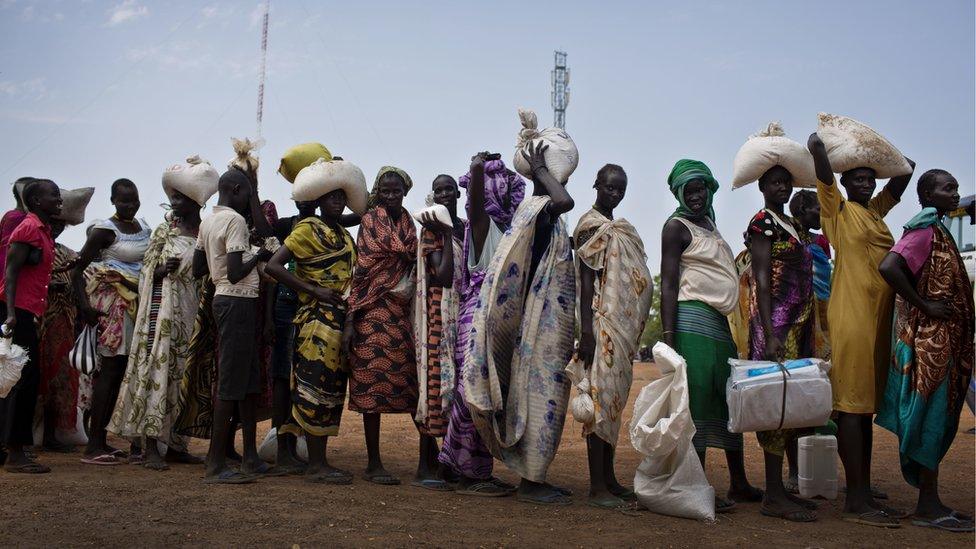
The drought has introduced another major obstacle to relief efforts in a country where millions of people are already struggling to survive the consequences of war.
While the El Niño climate pattern is contributing to higher temperatures and reduced rainfall, the humanitarian impact is being magnified by the conflict, which has displaced farming communities, disrupted agricultural production and complicated efforts to deliver food to those most in need.
The situation has also raised concerns about whether the international response will be sufficient to prevent worsening hunger, particularly as humanitarian organisations face substantial funding gaps and the next harvest is expected to be significantly weaker in some areas.
READ ALSO: Ghana’s $13.8bn Trade Surplus Raises Fresh Economic Concerns