United States has raised its travel advisory for Kenya from Level 2 to Level 3, urging Americans to reconsider travel to the East African nation as a rapidly expanding Ebola outbreak in the Democratic Republic of the Congo (DRC) spreads across borders and places additional pressure on regional public health systems.
The previous Level 2 advisory urged Americans to exercise increased caution, while the upgraded Level 3 warning advises travellers to reconsider their plans.
“Reconsider travel to Kenya due to risk of health, crime, kidnapping, terrorism, unrest, and traffic safety. Some areas have increased risk. Medical services in Kenya are limited. They are often unavailable in rural areas. Medical facilities in Kenya often lack sufficient medicine and equipment.”
US Embassy in Kenya
The decision follows confirmation of another Ebola infection in Kenya, bringing the country’s reported total to eight confirmed cases, including one death, according to the outbreak figures provided by the US Centers for Disease Control and Prevention (CDC).
The outbreak has now reached eight provinces in the central African country, with neighbouring countries also reporting infections.
The situation has also renewed attention on the possibility of further cross-border transmission, given the movement of people between affected areas and neighbouring countries.
DRC confirmed recently that the outbreak had spread to North Ubangi province, bringing the number of affected provinces to eight.
The outbreak has affected Bas-Uele, Haut-Uele, Ituri, North Kivu, South Kivu, South Ubangi and Tshopo provinces, with North Ubangi representing the latest addition to the list of affected areas.
CDC has also outlined specific travel precautions for people arriving in the United States from countries affected by the outbreak. Travellers who have been in the DRC within 21 days of their flight to the US are temporarily prohibited from boarding commercial flights with US destinations under the restrictions described by the agency.
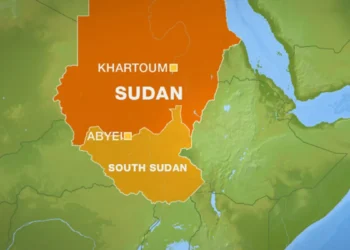
US citizens and nationals who have been in the DRC are advised to remain outside the country for 21 days before entering the United States. Those who have been in Uganda or South Sudan, but not the DRC, within the 21 days before arrival must enter through designated airports for enhanced screening.
The measures supplement existing temporary entry restrictions covering certain categories of travellers who have recently been in the DRC, Uganda or South Sudan.
The CDC has advised against all travel to Ituri and North Kivu provinces in the DRC, while recommending that travellers avoid nonessential trips to Haut-Uele and Tshopo. People travelling to other parts of the DRC or Uganda have been urged to take enhanced precautions, avoid potential exposure and monitor for symptoms during travel and for 21 days after leaving.
Despite the expanding outbreak, the agency indicated that no cases associated with the outbreak had been confirmed in the United States as of its latest update.
Health Systems Face Mounting Challenges
Meanwhile, the outbreak in the DRC has become a major regional public health emergency, and the speed of transmission is putting considerable pressure on efforts to identify infections, trace contacts, and provide treatment.
According to the CDC’s latest figures, DRC has recorded 9,552 confirmed cases and 4,602 confirmed deaths.
The current outbreak is the country’s 17th Ebola outbreak and has surpassed 1,000 confirmed cases within 40 days of response activation. By comparison, the 2018 Ebola outbreak in the DRC took approximately 235 days to reach more than 1,000 cases.
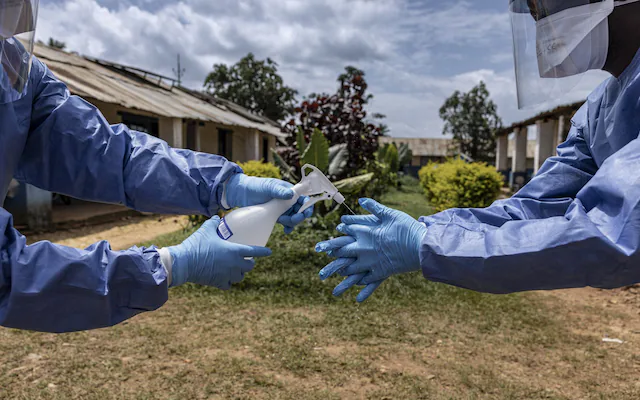
Meanwhile, response in the DRC has been complicated by limited healthcare infrastructure, inadequate access to diagnostic and laboratory services, shortages of infection prevention and control supplies, and weaknesses in other essential services.
Ongoing conflict in affected areas has created additional security concerns, making it more difficult for response teams to trace contacts and implement measures to prevent further infections.
Violence against healthcare workers and shortages of personal protective equipment have also contributed to infections among staff treating patients. Also, frequent population movement and cross-border travel have increased concerns about the potential spread of the virus to neighbouring countries, including Uganda, South Sudan and Rwanda.
Mistrust of government institutions and misinformation have further complicated public communication, making it more difficult for health authorities to persuade communities to cooperate with response measures.
Ebola Response Faces Funding Deficit
The Africa Centres for Disease Control and Prevention (Africa CDC) and Congolese officials have expressed concern over hundreds of millions of dollars in Ebola response funding for which comprehensive financial records have not been provided.
According to Africa CDC Director-General Dr Jean Kaseya, international donors had disbursed US$962 million to organisations working on the Ebola response in eastern DRC since the beginning of the epidemic.
However, only US$200 million had been accounted for by organisations operating on the ground, including United Nations agencies, international charities and local aid groups, according to the information presented by Kaseya.
“This represents a significant lack of transparency and financial reporting on the part of these organizations, preventing the Government from having a comprehensive overview of the resources mobilized, how they were utilized and the results achieved.”
Dr Jean Kaseya
The agency added that organisations receiving substantial sums to respond to a major health emergency should provide transparent accounts to national authorities responsible for coordinating the response.
Congolese Health Minister Samuel Roger Kamba also indicated that authorities had restricted the operations of organisations involved in the response, granting accreditation to only 25 of almost 100 organisations previously authorised to work in the affected areas.
The government has also required implementing organisations to disclose how much funding they received, identify their donors and provide detailed plans for how the money would be spent.
READ ALSO: Bears Wipe 230 Points Off GSE Composite Index in Market Rout