United Nations World Food Programme (WFP) has warned that the strengthening El Niño weather phenomenon could push at least 49 million more people into acute food insecurity by the end of 2027, threatening to deepen the global hunger crisis across some of the world’s most vulnerable countries.
According to a recent analysis by the UN food agency, the changing climate pattern is predicted to make droughts, floods, and extreme temperatures much worse in areas that already face poverty, conflict, unstable economies, and frequent weather shocks.
As disturbed planting seasons and damaged harvests continue to threaten food supply, the effects are predicted to peak between September and December 2026 but to persist well into 2027.
The warning comes as humanitarian agencies boost efforts to prepare communities before the worst impacts manifest, noting that early action might save lives, safeguard livelihoods and decrease the overall cost of emergency operations.
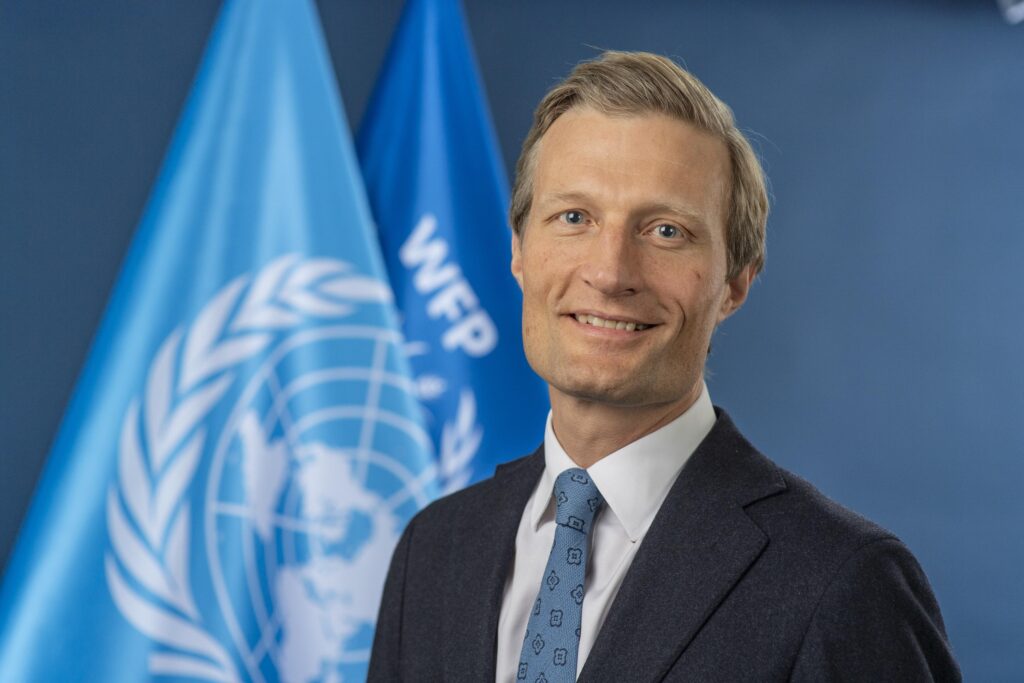
According to Carl Skau, Acting Executive Director of WFP, “El Niño is a massive threat to the food security of millions who are already vulnerable.”
“The sooner we help families to prepare for these climate shocks, the greater our ability to save lives and protect livelihoods. Severe floods and droughts can quickly push communities from coping to crisis. WFP is already ramping-up early response efforts in eight countries, and we stand ready to do even more.”
Carl Skau
According to WFP projections, the number of people facing severe food insecurity in the 45 countries studied might jump by 22% by the end of next year, from around 225 million to 274 million. The nations covered in the evaluation have high levels of food insecurity and are likely to see significant changes in rainfall patterns, temperatures, and weather extremes due to El Niño.
The results highlight mounting worries that global humanitarian crises are being exacerbated by climate change and more erratic weather. Reduced harvests, livestock losses, and dwindling availability to clean water are predicted to affect millions of households who rely on rain-fed agriculture for food and income, making many communities more reliant on humanitarian aid.
Although El Niño is a regularly occurring climate phenomena, the agency pointed out that its effects are more severe in nations where people’s capacity to withstand repeated shocks has already been weakened by deficient public services, armed conflicts, and shaky economies.
Drawing lessons from previous climate events, WFP warned that the 2015-2016 El Niño affected between 60 million and 100 million people globally. While the scale of the current event is still unfolding, early modelling suggests the humanitarian consequences could once again be extensive unless governments and aid organisations act swiftly.
To reduce those risks, WFP and its humanitarian partners have expanded anticipatory action programmes aimed at preparing vulnerable communities before disasters strike. Working alongside the Food and Agriculture Organization (FAO), the UN Office for the Coordination of Humanitarian Affairs (OCHA) and national governments, the agency now has active preparedness plans in more than 50 countries.
Since May, WFP has already activated anticipatory action plans in South Sudan, Chad, Mauritania, Uganda, Guatemala and El Salvador, providing more than US$14 million in life-saving assistance to approximately half a million people.
The support includes expanding disaster risk insurance, emergency credit facilities and digital cash payments that allow vulnerable households to access assistance quickly before weather-related disasters escalate into full-scale humanitarian crises.
According to the agency, investing in preparedness delivers substantial economic benefits in addition to protecting lives.
Experiences from previous El Niño emergencies have shown that every US$1 invested in anticipatory programmes can save between US$3 and US$7 by reducing disaster losses and lowering future humanitarian response costs.
Africa Among Hardest-Hit Regions as UN Urges Greater Global Support
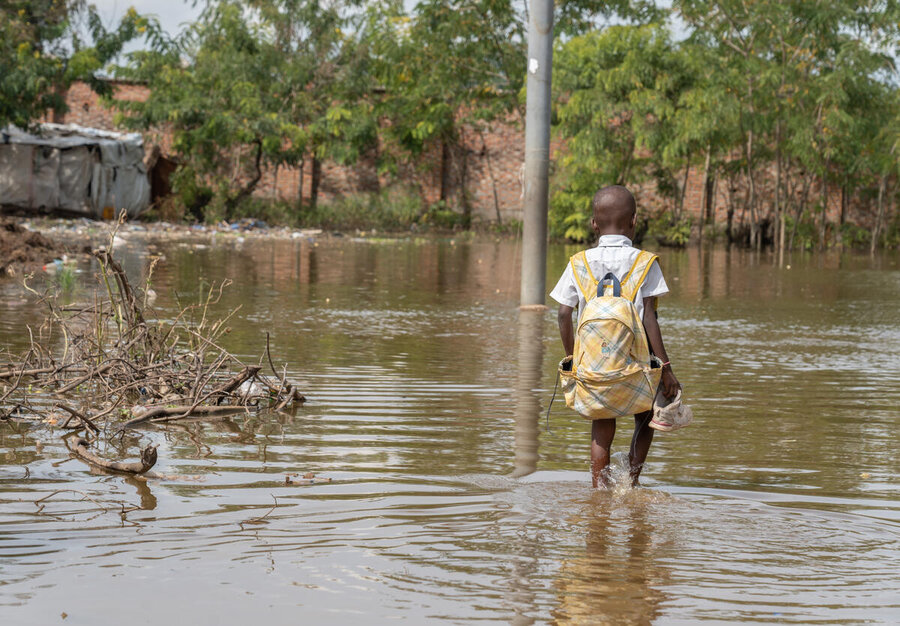
While the strengthening El Niño pattern is expected to affect every major region differently, WFP’s assessment identifies Africa as one of the areas facing some of the most serious consequences.
East and Southern Africa are projected to experience particularly severe disruptions, with more than 18 million additional people expected to fall into acute food insecurity a 26% increase compared with current levels.
Many countries in southern Africa remain especially vulnerable because rural households rely heavily on rain-fed subsistence farming, making crop production highly sensitive to prolonged droughts or erratic rainfall.
The report also highlights growing risks in West and Central Africa, where food insecurity is projected to increase by 12%, affecting nearly six million additional people.
Outside Africa, Latin America and the Caribbean are expected to experience one of the sharpest deteriorations. More than 16 million people could face worsening food insecurity, with Central America projected to record the largest proportional increase of any region studied at 83.1%

Meanwhile, Asia and the Pacific are expected to see an estimated 8.2 million additional people requiring urgent food assistance as extreme weather disrupts agricultural production in several already vulnerable countries.
WFP cautioned that the humanitarian impact of El Niño will not be experienced uniformly. Some countries are already reporting below-average rainfall, unusually high temperatures and flooding, while others are expected to face worsening conditions during critical planting and harvesting periods over the coming months.
The agency stressed that communities already affected by conflict, displacement and economic hardship are likely to have the least capacity to absorb another major shock, increasing the risk that millions of families could slip deeper into hunger.
To prevent that outcome, WFP and FAO have jointly appealed for increased international funding to strengthen preparedness and protect food production before emergencies escalate.
The agencies argue that early investments in climate adaptation, disaster preparedness and social protection programmes can significantly reduce future humanitarian needs while helping vulnerable communities recover more quickly after extreme weather events.
READ ALSO: WAEC Denies Separate Marking Scheme for Private School Candidates