Dr. Steve Manteaw, a mineral resources governance expert, is advocating for urgent legislative reforms to address the systemic delays currently plaguing the parliamentary ratification of mining leases in Ghana.
His call centers on the need to modernize the existing regulatory framework to eliminate the operational uncertainties that force companies to commence mining activities before formal parliamentary approval is finalized.
“Government is encouraged to take advantage of the on-going reforms in the mining sector, to amend the governing Act (Act 703) of the industry to set a time frame for Parliamentary ratification of leases. Again, Government ought to take immediate steps to eliminate the bureaucratic delays that compel companies to jump the gun before ratification.”
Dr. Steve Manteaw
These proposed reforms aim to resolve a long-standing governance bottleneck where the responsibility for ratification resides with the executive branch and Parliament, yet mining entities often bear the operational and financial brunt of delays.
Dr. Manteaw notes that “most mining companies might have contracted huge loans for their projects, and any delay in commencing operations would mean mounting interest cost,” creating a precarious environment for investment.

By institutionalizing timeframes for ratification, the government can effectively reconcile the constitutional mandates of Article 268 of the 1992 Constitution with the pragmatic realities of the extractive industry.
Bridging the Gap Between Constitutional Mandates and Operational Reality
The current tension arises because while Article 268 of the 1992 Constitution mandates parliamentary ratification for mining leases, the burden of bureaucratic process often stalls this requirement.
The legal and governance challenge was highlighted in 2019 when two members of parliament sued the Attorney General and 35 mining companies for operating without ratification.
Despite the legal action, the government faced significant hurdles in enforcing sanctions or reclaiming proceeds from gold sales, as the delay was largely attributed to state-level administrative lags rather than company misconduct.
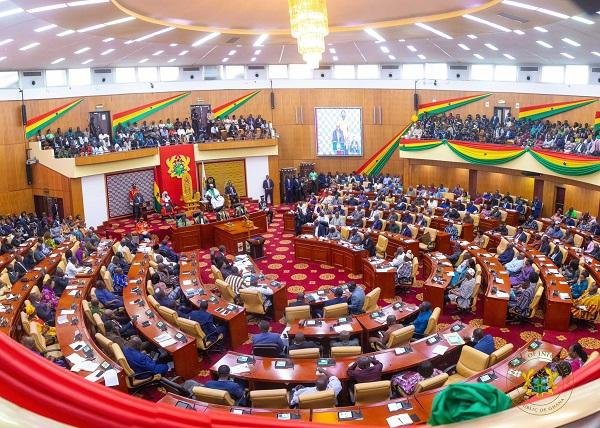
Dr. Manteaw argued that “the responsibility for ratification rests NOT on them, but on the executive arm of Government (in this case the Minister) and Parliament.”
By treating this as a precedence, the expert emphasizes that if the state has historically accommodated multi-national companies despite these procedural gaps, it is both equitable and necessary to extend the same consideration to indigenous companies, particularly when halting operations would lead to avoidable job losses and diminished state revenue.
Enhancing Ghana’s Mining Sector through Legislative Reform
Legal reforms in this area would serve as a catalyst for greater transparency and economic stability in Ghana’s mining sector.
By amending the Minerals and Mining Act, 2006 (Act 703) to mandate specific timelines for ratification, the state would foster a predictable investment climate.
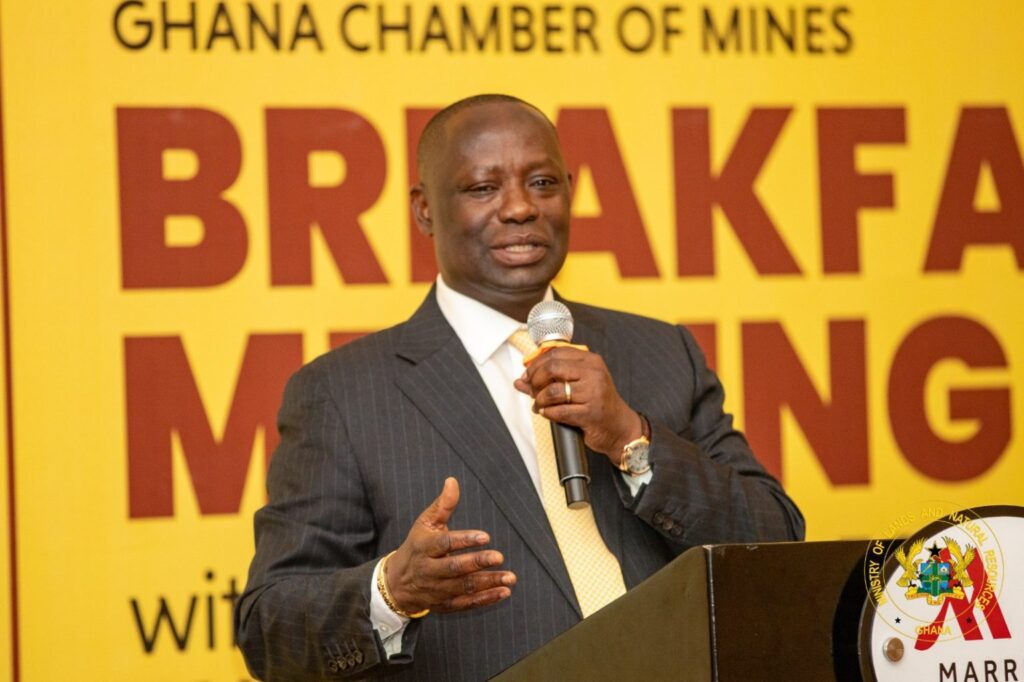
Predictability is the cornerstone of foreign direct investment, and removing bureaucratic “jump–the-gun” scenarios ensures that mining companies operate within a clear, unambiguous legal structure rather than relying on informal accommodations.
Furthermore, these reforms would strengthen the accountability mechanisms between the government and mining operators.
If the government commits to strict enforcement, Dr. Manteaw suggests that it must also “provide for the payment of compensation for any loss of potential revenue arising out of the delay in ratifying leases.”
This reciprocal approach would compel the state to prioritize its administrative duties, ensuring that the legislative process keeps pace with the demands of the mining lifecycle.
A Roadmap for Sustainable Governance
The way forward, as articulated by the governance expert, requires a multi-pronged approach to modernize the sector. Government must take immediate, proactive steps to eliminate the excessive bureaucracy that forces mining companies to compromise on procedural compliance.

By restructuring the ratification process, Ghana can ensure that its regulatory framework supports, rather than hinders, economic growth.
Ultimately, these reforms would mitigate legal risks for both the state and the industry.
Moving toward a system where parliamentary ratification is handled with defined, efficient timelines will allow Ghana to better manage its mineral resources, protect jobs, and ensure that the country remains an attractive destination for sustainable mining operations.
Aligning the legal architecture with modern administrative efficiency is not merely an optional upgrade; it is an essential step in securing the long-term benefits of the nation’s mineral wealth.
READ ALSO: Mahama Orders Full Automation of Work and Residence Permits to Boost FDI