North Korea has dismissed a decision by the United States and South Korea to scale back their annual joint military exercises, saying the adjustment does not change what Pyongyang considers the drills’ provocative nature.
The comments, delivered by Kim Yo Jong, the influential sister of North Korean leader Kim Jong Un, appear to dampen expectations of an early resumption of diplomatic engagement between Pyongyang and Washington, despite recent signals from U.S. President Donald Trump that he remains open to meeting Kim.
“We think it’s not worth making comments on that and we have no interest in it at all. The provocative, aggressive nature of the drills won’t change even though their duration and size were reduced.”
Kim Yo Jong
Kim Yo Jong’s remarks were North Korea’s first response to Trump’s decision to substantially reduce the annual Ulchi Freedom Shield exercises.The drills, which began this week, are designed to strengthen the military readiness of U.S. and South Korean forces against potential threats from North Korea.
Kim Yo Jong also pointed to other military exercises conducted by the United States and South Korea earlier this year, as well as South Korea’s plans to introduce nuclear-powered submarines, as reasons for Pyongyang’s continued concern over the allies’ military posture. North Korea has long condemned joint U.S.-South Korean military exercises, arguing that they are preparations for an invasion. Washington and Seoul maintain that the drills are defensive and necessary to preserve the alliance’s readiness.
The United States and South Korea confirmed today that they had reduced the duration and scale of this year’s Ulchi Freedom Shield exercises following a request from Washington. The 11-day exercises were initially scheduled to continue through August 27. South Korea’s military said the drills will now conclude on Friday, while some joint field training exercises will also be reduced.
Trump cited his relationship with Kim Jong Un and South Korea’s decision not to support the United States in its war against Iran as factors behind the move to scale back the exercises. The abrupt announcement reportedly caught South Korean officials off guard and prompted concerns among some lawmakers and members of the public about whether reducing the exercises could affect military preparedness.
The Pentagon has sought to reassure South Korea and other allies that the changes will not undermine the U.S. military’s ability to respond to potential threats. A Pentagon statement said the military was “continuing training that enhances tactical capability”, while acknowledging that some events had been canceled or converted into simulated exercises. “These adjustments preserve essential readiness and training objectives. There will be no degradation to U.S. training objectives,” the Pentagon said.
The exercises had originally been divided into two phases. The first phase focused on defensive operations, while the second was designed to simulate counteroffensive operations in response to a North Korean attack. The changes mean that some of the planned activities in the second phase will no longer take place in their original format.
Trump Signals Willingness To Meet North Korean Leader
Despite Pyongyang’s rejection of the significance of the drill reductions, Kim Yo Jong’s statement contained less of the hostile rhetoric typically associated with North Korean statements about U.S.-South Korean military exercises. She described relations between her brother and Trump as “still excellent” and referred to Kim’s previous comments that he retains “good memories” of the U.S. President.
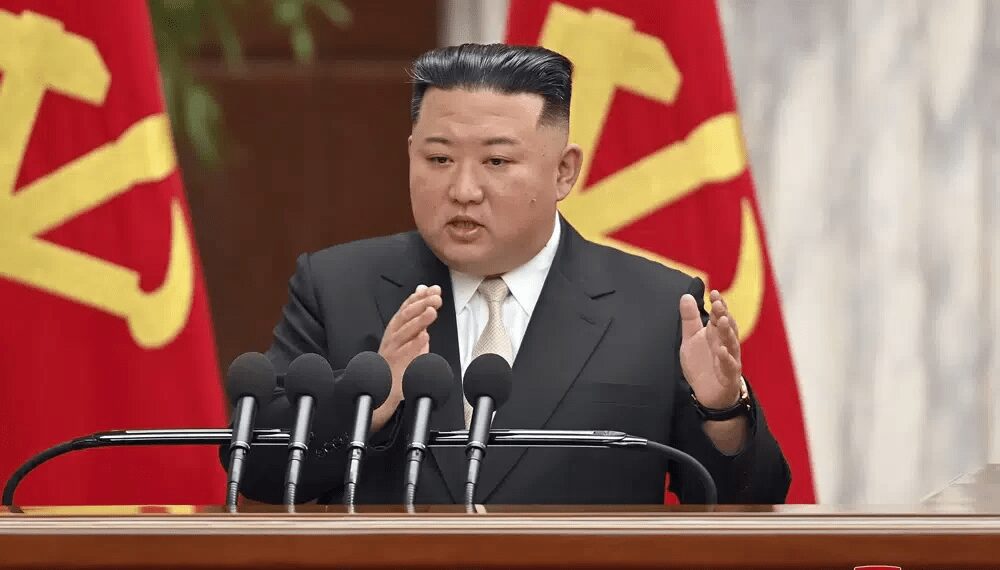
Trump has also indicated that he remains interested in meeting the North Korean leader.When asked Wednesday whether he expected to meet Kim Jong Un this year, Trump replied, “Yeah, I will be.” The president declined to provide details about whether he and Kim were exchanging letters but said the two leaders get along.
However, Kim Yo Jong denied that communications are currently taking place between Trump and her brother. Her comments came after Trump said earlier in the week that Kim had responded to a request for a conversation. The conflicting statements leave uncertainty over whether direct diplomatic contact between the two leaders is actually taking place.
Trump and Kim held three meetings during Trump’s first presidency, beginning in 2018, but negotiations over North Korea’s nuclear programme ultimately stalled.Their diplomacy collapsed after the 2019 summit in Hanoi failed to produce an agreement on sanctions relief and North Korea’s nuclear capabilities.
Since then, Pyongyang has continued expanding its nuclear weapons and ballistic missile programmes, while relations with Washington and Seoul have remained tense. North Korea’s latest statement suggests that reducing the scale of military exercises alone is unlikely to persuade Pyongyang to return to negotiations.
At the same time, Kim Yo Jong’s relatively measured language about Trump may indicate that North Korea remains interested in preserving the possibility of future engagement with the U.S. administration.
READ ALSO: Ceuta Mayor Urges Swift Migrant Returns