Sammy Gyamfi, CEO of Ghana Gold Board (GoldBod), has clarified that the reduction in service fees paid by the Bank of Ghana to the board from 0.75 percent to 0.6 percent was driven by operational efficiency, increased gold procurement volumes, and surging global gold prices rather than political pressure from opposition critics.
Speaking during a press briefing in the Government Accountability Series, the GoldBod Boss explained that negotiations with the central bank to lower the fee structure were finalized on October 29, 2025, long before opposition press conferences on the matter took place in December 2025.
He emphasized that as the entity became more efficient in aggregating gold and domestic purchase volumes grew significantly, the board voluntarily conceded to lower service fees while remaining fully capable of sustaining its operations.
“What it meant was that the Gold Board was more efficient in aggregating gold that they didn’t need 0.75%. We conceded upon request by Bank of Ghana that we could do with little and still achieve better results. And number two, the quantity of gold we were buying had gone up and gold prices had skyrocketed, and therefore, even if we reduced our fees, we knew that we could still cater for ourselves.”
Sammy Gyamfi, CEO of Ghana Gold Board (GoldBod)
Contractual Realities and Accounting Mischaracterizations
The detailed explanation provided by Sammy Gyamfi addresses persistent political claims surrounding reported losses under the central bank’s Domestic Gold Purchase Program.

Critics led by Alexander Afenyo-Markin have alleged that fees paid to GoldBod caused significant financial deficits for the Bank of Ghana. However, Sammy Gyamfi pointed out that the September 2023 agreement governing gold purchases predates both his tenure and the formal establishment of GoldBod in April 2025.
This contract expressly set price and exchange rate prescriptions under which buying agents like the Precious Minerals Marketing Company (PMMC) operated, making it legally impossible for an agent to alter agreed terms without authorization.
Furthermore, Gyamfi stressed that attributing central bank accounting losses to routine service fees paid to an independent buying agent defies basic commercial logic.
According to analysis from the International Monetary Fund, the accounting deficits recorded under the program largely stemmed from the spread between Forex Bureau exchange rates used to purchase gold which reached as high as 17 Ghana cedis to the dollar in 2024 and the central bank’s official reference rate.
These balance sheet effects reflect currency valuation spreads and historical macroeconomic management rather than actual economic losses caused by agent fee structures or aggregation activities.
Model Timelines, Offtake Discounts, and Institutional Autonomy
Sammy Gyamfi also dismantled claims alleging that reported domestic gold purchase losses arose from GoldBod’s specific trading model. Although established by statute in April 2025, GoldBod did not commence implementing its independent trade model until March 2026.
This delay occurred because revolving seed capital allocated in the 2025 national budget was released on December 30, 2025, after which necessary institutional systems had to be established. Consequently, 2025 aggregation activities were executed strictly under the central bank’s framework rather than GoldBod’s autonomous trading model.
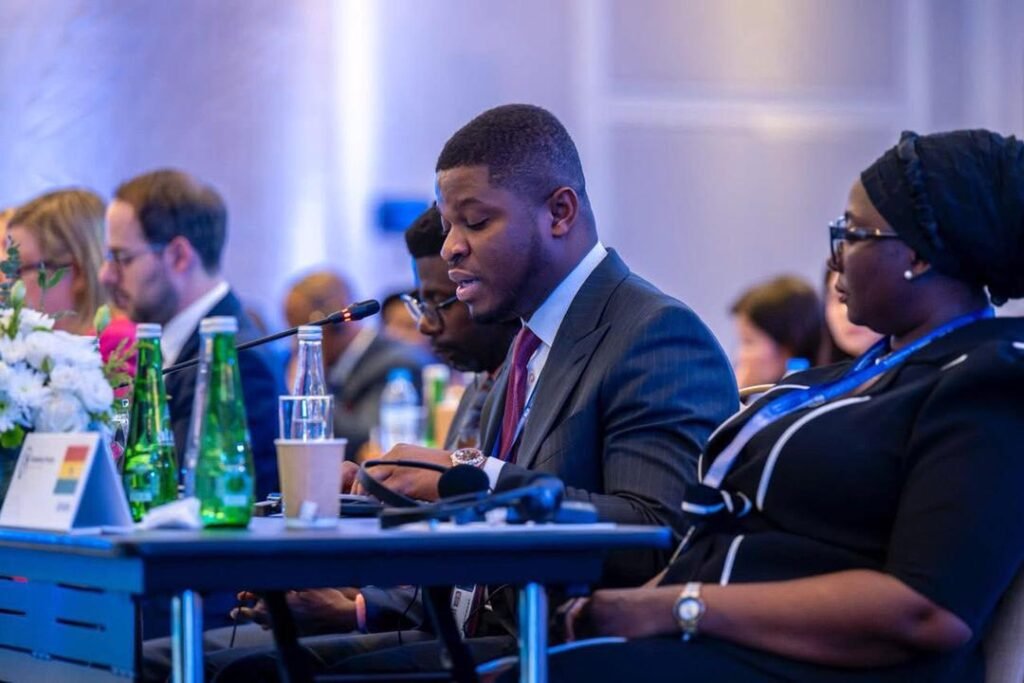
Regarding allegations concerning hidden offtake discounts, Sammy Gyamfi clarified that as a buying agent, the board had no role in selling gold or negotiating offtake contracts. Offtake discounts represent standard global trade practices for raw gold, and the Bank of Ghana successfully reduced these discounts from 2.2 percent in 2024 to 1.2 percent in 2025.
Furthermore, Gyamfi refuted claims that the central bank pulled out of financing GoldBod due to losses, revealing that while the IMF and Bank of Ghana offered to remain fiscal intermediaries, GoldBod exercised its statutory mandate under the Gold Board Act passed under President John Mahama’s reset agenda to raise capital independently from financial markets.
The Critical Imperative for Comprehensive Public Clarification
The necessity for Gyamfi’s thorough clarification stems from the paramount importance of safeguarding public trust in Ghana’s national gold governance and extractive sector institutions.

As gold aggregation forms a central pillar of national efforts to build foreign exchange reserves and stabilize the macroeconomy, confusing routine contractual agency fees with multi-billion dollar accounting valuation losses risks misinforming the public and undermining confidence in the country’s formal mineral marketing architecture.
Moreover, this clarification is vital to ensure that technical financial reporting and central bank accounting mechanics are not distorted for partisan political leverage.
Disentangling the historical execution of buying contracts from portfolio mark-to-market adjustments ensures that discussions surrounding small-scale mining integration, anti-smuggling operations, and reserve accumulation remain anchored on verified commercial facts, legal frameworks, and sound economic principles.
READ ALSO: Roads Minister Charges Contractors to Turn GH¢23bn Payment into Real Roads