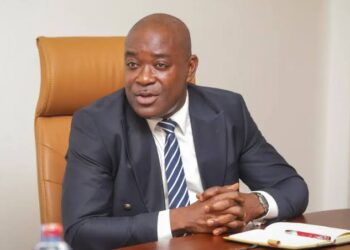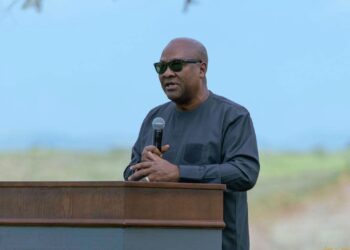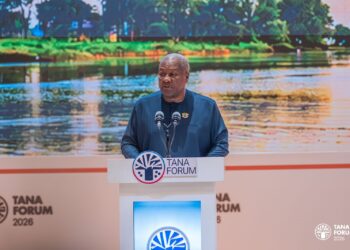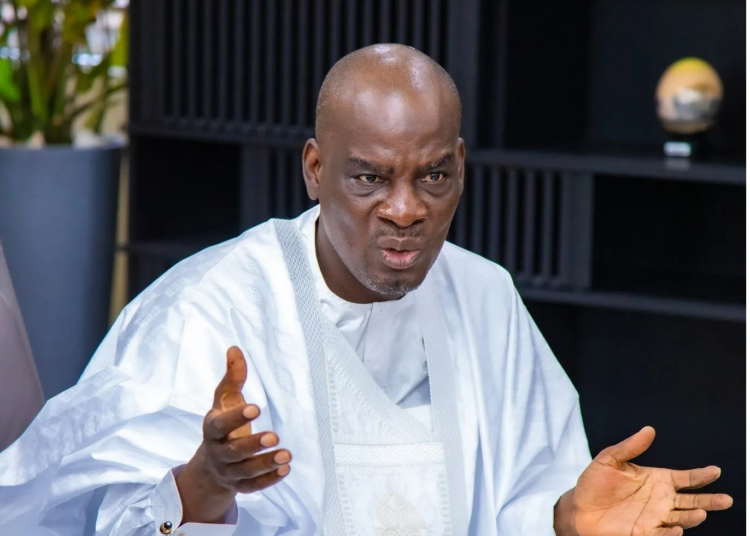
Education Minister Haruna Iddrisu has described as unacceptable the situation where about 10,700 public basic schools across 13 regions have no classrooms, a gap affecting some three million pupils nationwide.
The Minister said government is working to improve learning conditions for the affected pupils, citing the finding as a clear example of how data should directly inform policy decisions within the education sector.
Speaking on the issue, Hon. Iddrisu referenced a recent Auditor General’s report on education and the Ghana Education Service, which he said he had read. describing the report’s findings as a powerful illustration of how evidence can and should shape government policy.
According to Hon. Iddrisu, the Auditor General’s report reveals that about 10,700 public basic schools across 13 regions, with a total enrolment of over three million pupils, currently operate without classrooms.
He explained that findings of this nature demonstrate precisely how evidence-based reporting can and should guide government’s approach to addressing gaps within the education system, rather than allowing such critical infrastructure deficits to go unaddressed.
Minister Describes Situation as a Moral Obligation
Hon. Iddrisu was firm in describing the current situation as unacceptable, stressing that any proactive and responsible government must respond decisively to such data rather than allow millions of pupils to remain without assured access to basic education.
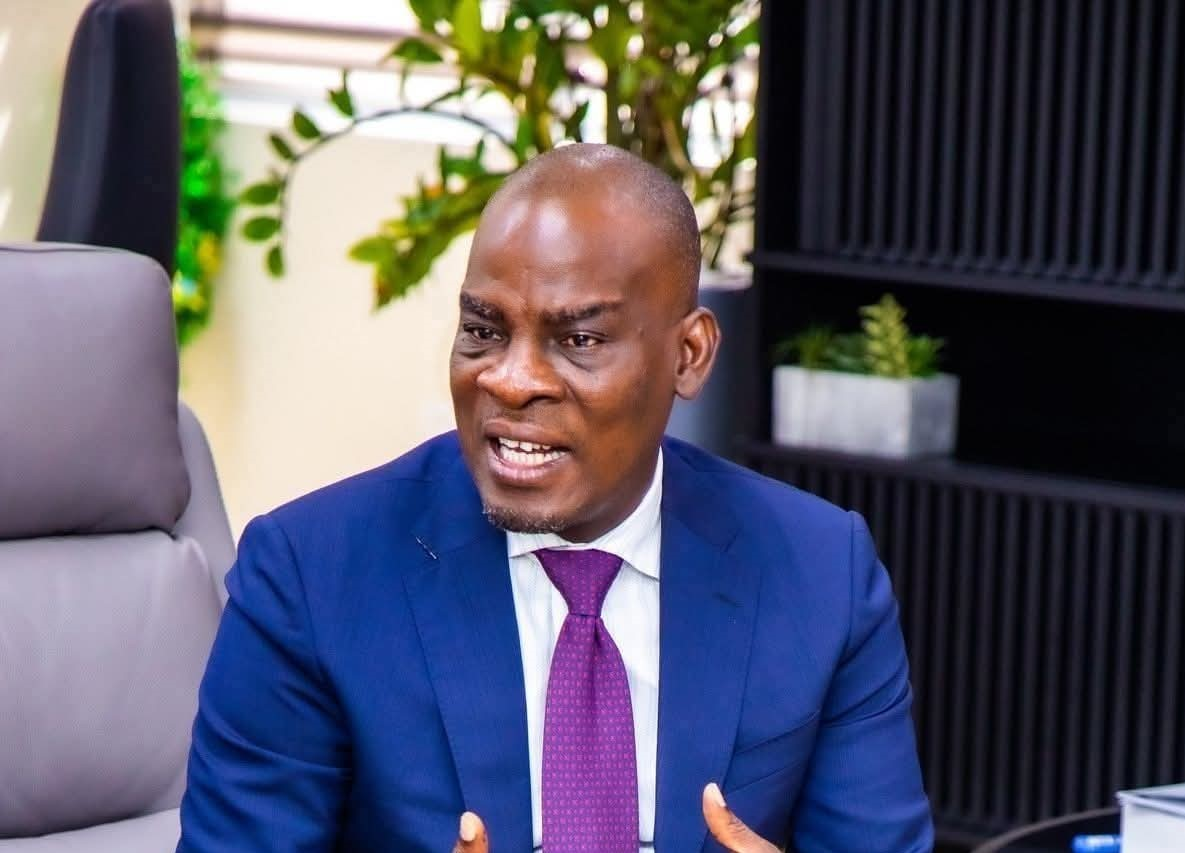
“It is unacceptable to have this population not assured of access to basic education, particularly when the Constitution of Ghana, the 1992 Constitution, guarantees free compulsory universal basic education.”
Hon. Haruna Iddrisu
He framed the matter as more than simply a policy failure, describing it instead as a moral calling that government cannot ignore, given the constitutional guarantee of free, compulsory, and universal basic education for all Ghanaian children.
Beyond addressing the specific classroom shortage, Hon. Iddrisu called for greater use of solid, evidence-based data to inform education policy going forward, urging relevant institutions and initiatives, including what he referred to as GLab, to share information about the state of the country’s education provision in a frank and candid manner.
He explained that this kind of transparent, unfiltered reporting on educational gaps is essential if government is to design policies capable of genuinely addressing the challenges facing the sector, rather than relying on incomplete or overly optimistic assessments of the current situation.
Foundational Learning Identified as a Priority
Hon. Iddrisu also used the opportunity to highlight what he considers a critical policy priority for the education sector, namely, the need to realign and direct investment toward basic foundational learning.

“We need to prioritize basic foundational learning, realign and direct investment into foundational learning, recognizing that foundational learning unmistakably is a gateway to the success of any educational system.”
Hon. Haruna Iddrisu
He stressed the importance of literacy and numeracy as foundational skills, arguing that without a strong grounding in these areas, pupils are unlikely to succeed at higher levels of their education, regardless of how much infrastructure or resources are eventually made available to them.
The Minister further cautioned against measuring educational success purely in terms of infrastructure provided or quality assurance mechanisms implemented, insisting that the more critical question is whether children are genuinely learning and acquiring the grade-level competencies expected of them at each stage of their education.
His remarks suggest a broader shift in how government intends to evaluate progress within the education sector, moving beyond input-based metrics such as classroom construction toward outcome-based assessments centred on actual pupil learning and competency achievement.
Government Response to the Classroom Shortage
Hon. Iddrisu reaffirmed that government is actively working to improve learning conditions for the pupils affected by the classroom shortage identified in the Auditor General’s report, though he did not provide specific details on the scale, cost, or timeline of interventions planned to address the gap.
Taken together, the Minister’s remarks reflect a broader effort to root education policy more firmly in verified data and measurable learning outcomes, rather than relying solely on infrastructure expansion as a proxy for educational progress.
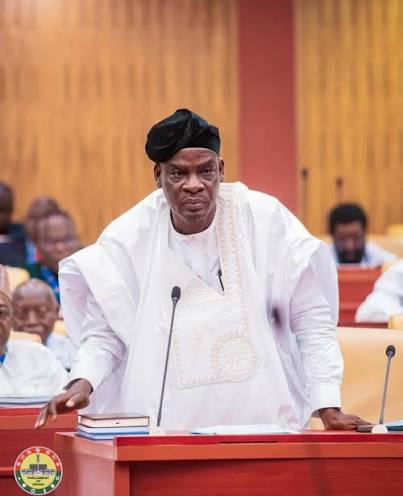
With the Auditor General’s findings now placed firmly in the public domain, attention turns to how quickly government translates this acknowledgment of the classroom shortage into concrete action, particularly for the three million pupils across 13 regions currently attending schools without adequate classroom infrastructure.
READ MORE: Gold Cannot Save You At 2AM, Madam Darko-Opoku Calls on Miners