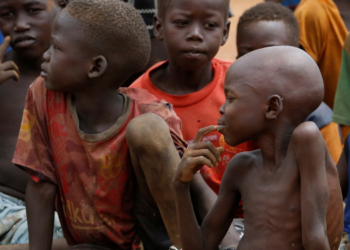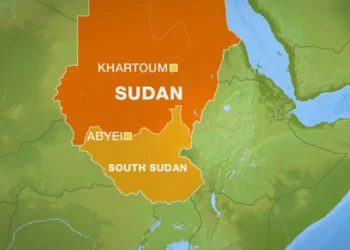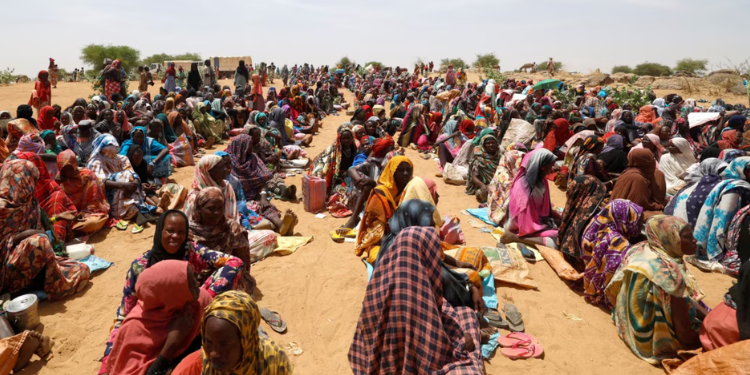
The UN International Organization for Migration (IOM) has warned that Sudan’s humanitarian crisis is deepening rapidly, with at least 200,000 additional people displaced .
The latest displacement comes as Sudan continues to endure one of the world’s largest displacement crises, with an estimated 8.6 million people having fled their homes since the conflict erupted in April 2023.
Many remain displaced within Sudan, while significant numbers have crossed into neighbouring countries in search of safety and humanitarian assistance.
According to IOM, the worsening security situation is being compounded by severe weather, with seasonal floods destroying shelters and forcing vulnerable families into temporary accommodation at a time when humanitarian operations are already under immense strain.
The agency also warned that delays affecting global supply chains, particularly through the Red Sea and Strait of Hormuz, are creating additional obstacles to the delivery of desperately needed relief supplies.
The convergence of conflict, displacement, damaged infrastructure and flooding is leaving communities with diminishing access to basic services, including clean water, electricity and healthcare.
IOM Director General Amy Pope indicated that, the situation was becoming increasingly difficult to ignore as violence and environmental pressures continued to affect civilians across several parts of the country.
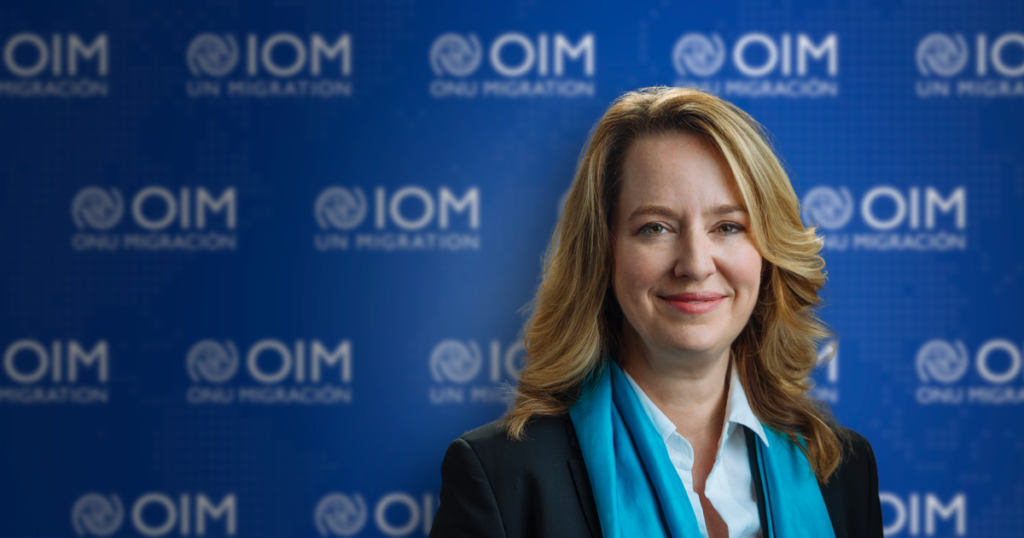
“The warning signs are impossible to ignore. Across Sudan, families are fleeing violence, losing access to water, electricity, and healthcare, and now facing the added burden of destructive floods.”
Amy Pope
She added that, “without urgent action to protect civilians and restore essential services, the suffering will deepen.”
The latest displacement has been particularly severe across the Kordofan region, where fighting and drone attacks have disrupted civilian life and damaged infrastructure essential to the survival of communities.
In North Kordofan state, heavy fighting and drone strikes on the main electrical transformer serving El Obeid city have caused prolonged power outages. The disruption has affected water pumping systems, healthcare facilities and telecommunications, leaving residents facing multiple service shortages amid continued insecurity.
In Sheikan locality, also in North Kordofan, displacement has risen by 25% over the past eight months. Across the wider Kordofan region, more than 200,000 people have been newly displaced since late 2025 as fighting intensified.
Other regions of Sudan have also been affected by the displacement crisis. About 7,800 residents in Blue Nile state were forced to leave their homes due to fighting in and around Geissan; some of them crossed the border into Ethiopia in search of safety. Nearly 18,000 people were displaced in West Darfur in just the first half of August, underscoring the ongoing unrest in regions already severely impacted by the fighting.
Heavy seasonal rainfall has further worsened the humanitarian situation. Nearly 1,350 shelters in the vast camps surrounding Tawila were damaged or destroyed by water last week in North Darfur, causing over 1,000 families to look for other places to live. Numerous households were forced into makeshift shelters due to more flooding in Kabkabiya and Shangil Tobaya.
As a result, the most recent developments pose a complicated task to humanitarian agencies: respond to conflict-displaced people while also supporting families whose shelters have been devastated by flooding.
Humanitarian Needs Outpace Aid
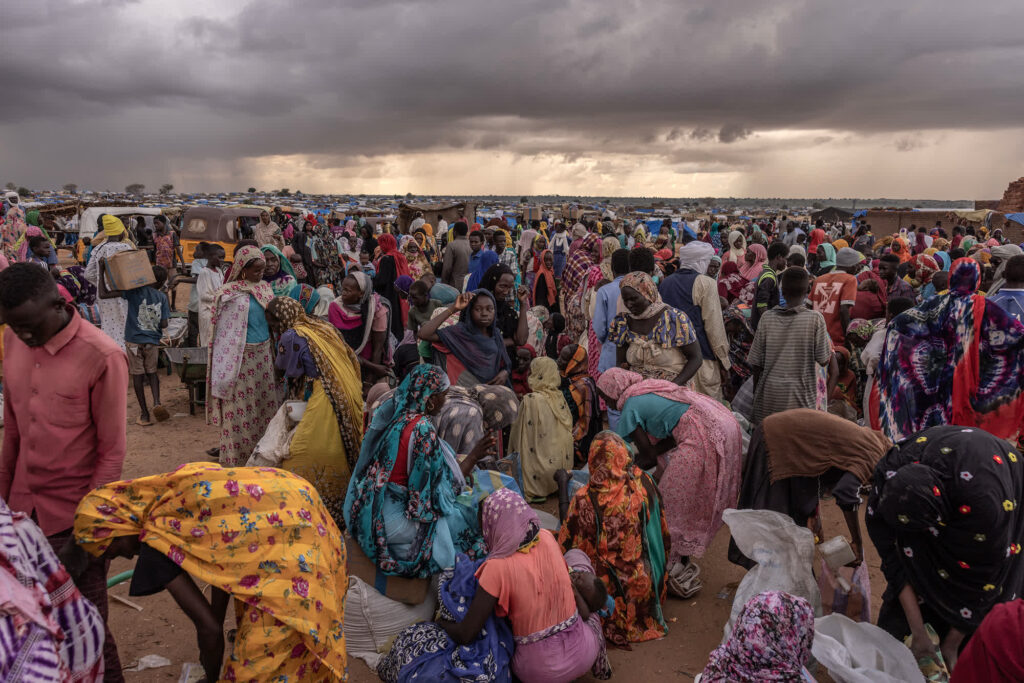
Despite the deteriorating conditions, IOM disclosed that humanitarian operations were continuing across areas where needs are most acute.
Over the past 72 hours, the agency delivered 1,750 metric tons of humanitarian supplies, including 17,750 hygiene kits and 850 tents. The assistance has already directly benefited approximately 110,750 people, with the number expected to rise to more than 400,000 in the coming days as additional supplies are distributed.
The deliveries are aimed at supporting communities facing severe shortages of basic humanitarian items, particularly displaced families who have lost shelter and essential household materials during fighting and floods.
However, the scale of the crisis means that humanitarian assistance remains significantly below what is required to meet the needs of millions of affected people.
IOM noted that the attacks on vital infrastructure have placed additional pressure on families, particularly where damage to electricity networks has disrupted water systems and healthcare services.
At the same time, humanitarian access is being affected by wider logistical pressures. IOM warned that continuing delays in global supply chains, including through strategically important maritime routes around the Red Sea and Strait of Hormuz, could threaten the regular flow of aid into and across Sudan.
IOM also noted that significant numbers of displaced Sudanese continue to return to Khartoum, adding another dimension to the country’s displacement crisis.
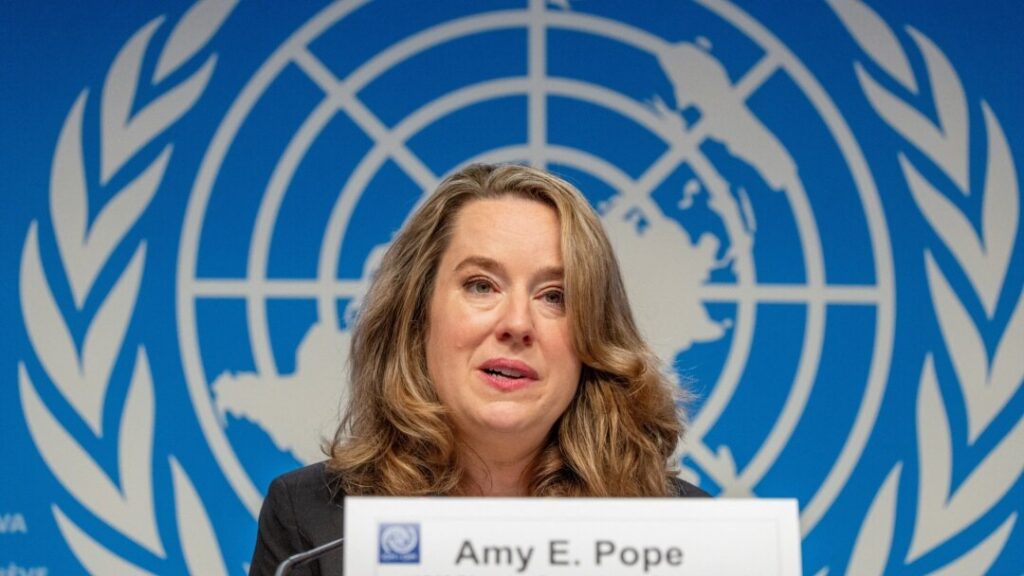
IOM Director General Amy Pope stressed that the humanitarian response must be sustained as conditions continue to deteriorate.
“Sudan is one of the world’s largest displacement crises. IOM is committed to delivering lifesaving aid, but urgent support is needed to sustain shelter and pipeline operations, before conditions worsen further.”
Amy Pope
The scale of the crisis also means that humanitarian agencies face the difficult task of responding to immediate emergencies while supporting communities seeking longer-term stability.
READ ALSO: GoldBod CEO Declares Readiness to Face Minority over Losses Claims