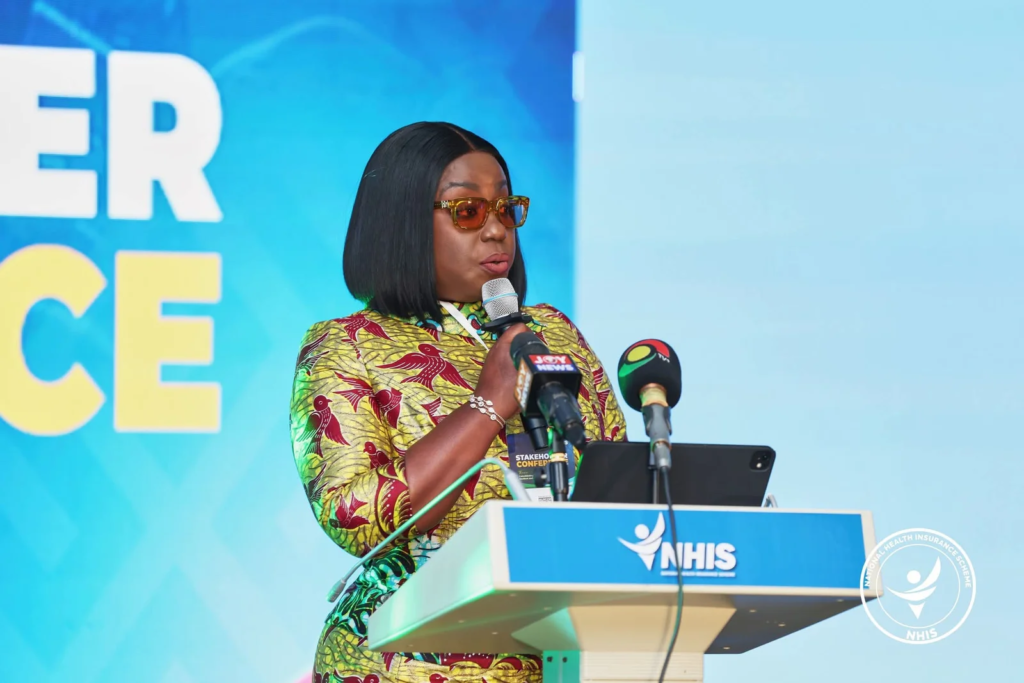
Administrator of the Ghana Medical Trust Fund (GMTF), Adjoa Obuobia Darko-Opoku, has called mining companies operating in Ghana to rethink their social licence to operate by investing in human lives rather than solely in infrastructure, delivering a pointed call on the industry to address pressing health matters within their host communities.
Speaking on the subject, Madam Darko-Opoku argued that Ghana’s greatest resource is not the gold beneath its soil, but the Ghanaian people themselves, framing her call to the mining industry around the idea that wealth generated from mineral extraction should translate into meaningful investment in the wellbeing of host communities.
Central to her address was a stark reminder that financial resources alone cannot guarantee survival during a medical emergency, particularly when access to appropriate healthcare infrastructure is lacking.
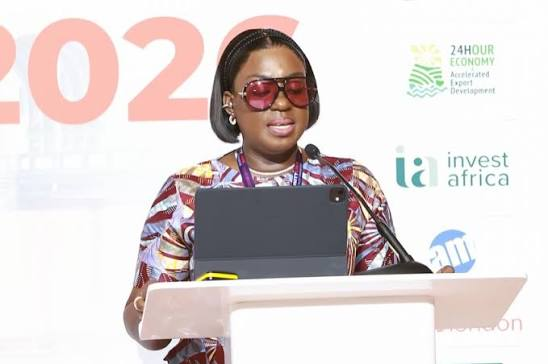
“At 2:00 AM, money cannot buy time. In a medical emergency, your wealth does not save you; the infrastructure nearest to you does.”
Madam Darko-Opoku
Her remarks underscored a broader point about the limitations of wealth in moments of acute crisis, positioning proximity to functional healthcare infrastructure as the true determinant of survival, regardless of an individual’s financial standing.
Wealth Cannot Substitute for Healthcare Access.
With Ghana continuing to face critical shortages in specialised medical equipment and healthcare specialists, Madam Darko-Opoku urged mining companies to move beyond conventional Corporate Social Responsibility (CSR) initiatives and instead partner directly with the GMTF to equip hospitals, train medical specialists, and bring life-saving healthcare services closer to the communities hosting their operations.
Her appeal suggested that existing CSR efforts, while valuable, often fall short of addressing the deeper healthcare infrastructure gaps affecting mining communities, particularly in emergency and specialised care settings where access delays can prove fatal.
Vision of Legacy Beyond Extraction
Madam Darko-Opoku painted a vivid picture of the kind of legacy she believes mining companies should aspire to leave behind, one defined not merely by the minerals extracted from Ghanaian soil, but by the lives saved through healthcare investment made possible by that extraction.
“We didn’t just extract gold from your soil. We built the Cancer Centre that saved your mother. We installed the Cath Lab that saved your chief.”
Madam Darko-Opoku
She explained that such a legacy would ultimately outlast the mining operations themselves, arguing that long after the gold reserves are depleted and mining activities cease, the healthcare infrastructure and lives saved through strategic investment would remain as a lasting testament to a company’s presence within a community.
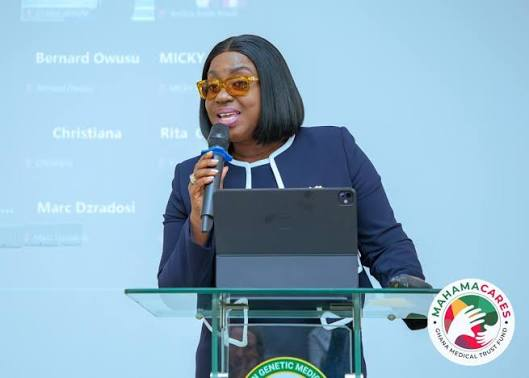
By specifically calling for collaboration with the GMTF, Madam Darko-Opoku positioned the Trust Fund as a practical vehicle through which mining companies could channel resources toward tangible healthcare improvements, rather than pursuing fragmented or short-term CSR initiatives independently.
Her appeal reflects a broader strategy to mobilise private sector resources, particularly from extractive industries with significant operational footprints in resource-rich but often underserved regions, toward strengthening Ghana’s healthcare system in a more coordinated and sustained manner.
Broader Message For The Mining Industry
Madam Darko-Opoku’s remarks add to ongoing conversations about the role extractive industries play in the development of their host communities, particularly regarding the balance between resource extraction and meaningful, long-term social investment.
Her framing of healthcare infrastructure as a form of legacy investment offers mining companies a distinct lens through which to reconsider their community engagement strategies, one centred on saving lives rather than solely funding physical infrastructure or short-term community projects.
As Ghana continues to grapple with gaps in specialised medical care, particularly in mining-affected regions where access to advanced treatment facilities remains limited, Madam Darko-Opoku’s challenge to the industry is likely to resonate as part of a broader push to align corporate investment with the country’s most pressing healthcare needs, ensuring that the benefits of mineral wealth extend meaningfully beyond the immediate economic gains of extraction itself.
READ MORE: Completion of Agenda 111 Must Not Overshadow New Priorities – Dr. Pelpuo