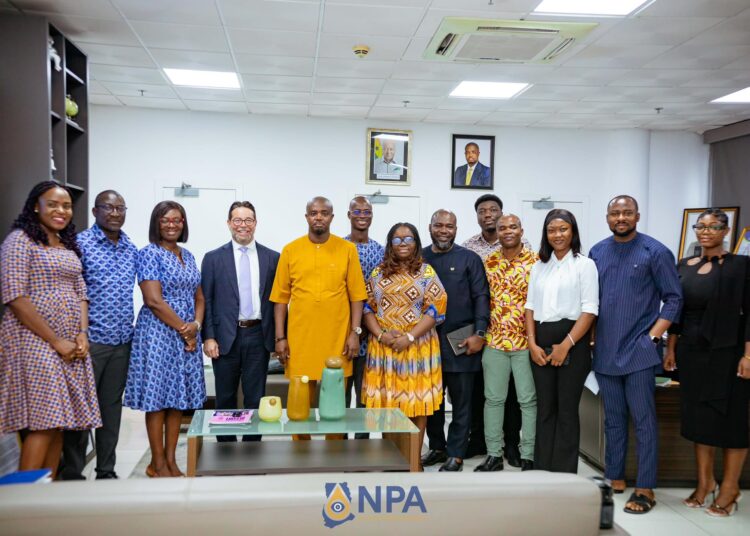
National Petroleum Authority (NPA) has intensified its consumer education and petroleum safety campaign with a series of public sensitisation engagements across markets, transport terminals, women groups, and tertiary institutions in the Volta and Ashanti Regions.
This strategic initiative aims to equip downstream energy consumers with critical information regarding safe product handling, qualitative standards, and personal rights.
By proactively targeting diverse populations, the regulatory body seeks to embed institutional guidelines into daily civic routines, thereby mitigating operational hazards associated with standard petroleum usage.
“The exercise, led by the Authority’s Consumer Services Directorate, focused on petroleum safety practices, fuel quality assurance, LPG handling, consumer rights, complaint reporting mechanisms and the dangers associated with fuel siphoning from accident scenes involving Bulk Road Vehicles. The exercise is part of ongoing efforts to protect lives and properties while ensuring value for money spent on petroleum products.”
National Petroleum Authority (NPA)

The comprehensive deployment sought to eliminate vulnerabilities that expose the public to avoidable industrial threats. Moving beyond administrative pronouncements, the field experts engaged directly with domestic and commercial users to foster a heightened sense of vigilance across the entire downstream value chain.
Strategic Regional Engagements and Quality Assurance
In the Volta Region, the dedicated team efficiently covered key commercial hubs and educational installations, including the Ho Market and Lorry Park, the Ho Technical University, the Ho Nursing Training College, and various Hohoe women groups.
Concurrently, the Ashanti Regional exercise comprehensively covered the vibrant Bantama Market, Fomena Nursing Training College, Kumasi Technical University, and the Tepa Nursing and Midwifery Training College Anyinasuo Campus.
These diverse locations were deliberately selected to balance informal market spaces with structured academic environments, capturing both current and future demographic leaders.
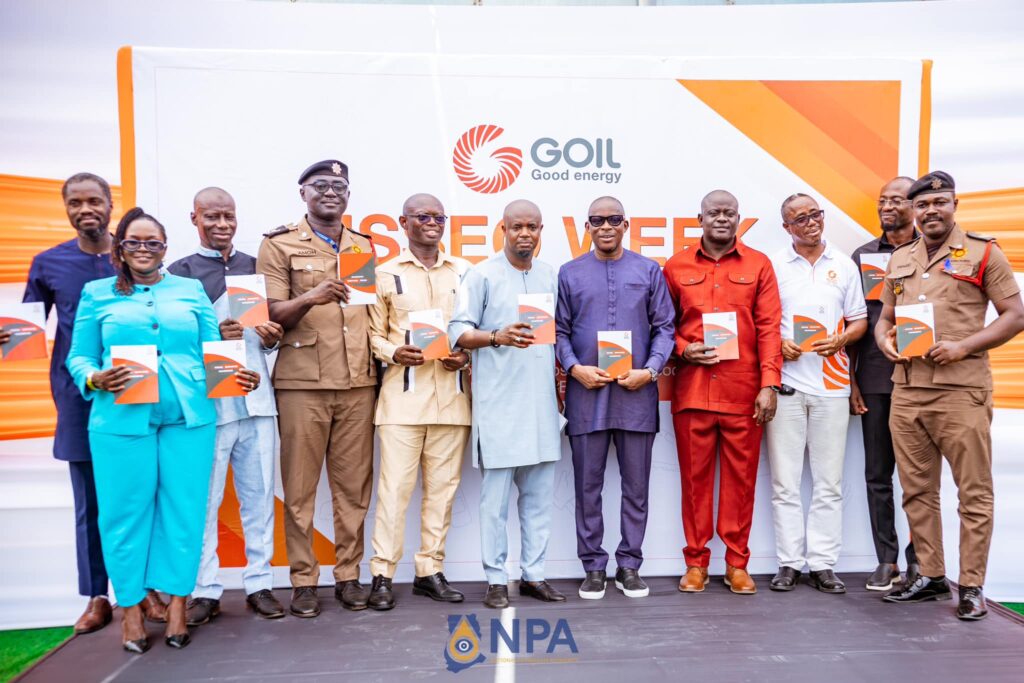
Speaking during the analytical engagements, the Director of Consumer Services, Mrs. Eunice Budu-Nyarko, urgently urged motorists and consumers to “remain vigilant during fuel purchases by confirming the type of fuel being dispensed.”
She strongly emphasized the necessity of “monitoring dispenser screens and demanding receipts after every transaction” to establish immediate accountability.
Technical presentations during the multi-regional exercise were masterfully delivered by Ing. Johnson Gbagbo Jnr, Head of Consumer Data Analytics and Market Intelligence, alongside Maureen Adwoa Duori, Head of Consumer Education and Stakeholder Engagement, who both received immense operational support from NPA Regional Managers and staff.
Mitigating Downstream Risks and Fuel Siphoning Dangers
Beyond administrative commercial transactions, the safety campaign addressed critical structural challenges plaguing the national energy sector, specifically targeting the lethal phenomenon of looting fuel from overturned tankers.
The regulatory teams painstakingly highlighted the catastrophic risks associated with “fuel siphoning from accident scenes involving Bulk Road Vehicles,” which historical precedents show often result in mass casualties.
Educating communities along major transport corridors creates an effective human shield of awareness, significantly reducing the likelihood of secondary explosions during transit mishaps.

Furthermore, detailed demonstrations on LPG handling provided rural and urban households with the practical technical capacity needed to avert domestic gas explosions.
By demystifying leak detection and proper cylinder maintenance, the NPA minimizes domestic fire hazards, which reduces emergency pressure on national infrastructure.
The explicit focus on institutionalized complaint reporting mechanisms empowers ordinary citizens to act as decentralized inspectors, effectively checking illicit retail practices like under-dispensing and product adulteration.
Enhancing National Energy Sector Safety and Resilience
This intensive grassroots sensitization functions as a regulatory catalyst that radically transforms downstream safety from a strictly policed mandate into a shared civic responsibility.
By bridging the information asymmetry between technical oil firms and everyday consumers, the NPA fosters an inherently transparent market environment where fraudulent operations cannot easily thrive.

Empowering consumers to scrutinize dispenser metrics creates a self-regulating marketplace that naturally incentivizes oil marketing companies to maintain strict adherence to international quality standards.
Ultimately, integrating safety analytics into public consciousness strengthens the long-term operational resilience of Ghana’s entire energy landscape.
Decreasing the frequency of domestic gas fires, commercial station accidents, and highway siphoning disasters minimizes financial losses and prevents preventable fatalities.
READ ALSO: “We Were Lucky to Get Spain” – Cape Verde Coach Bubista