Dr. Kenneth Bansah, a mining engineer and academic, is advocating for the rigorous enforcement of local content regulations as a critical mechanism to reverse the persistent “resource curse” affecting Ghana’s oldest mining hubs.
He contends that while the mining industry has operated for over a century in regions like Obuasi and Tarkwa, the lack of deep-rooted local participation in high-value segments of the value chain has left these communities in a state of underdevelopment.
By shifting the focus toward retaining a larger share of mining revenue within the domestic economy, the nation can finally transform the extractive sector from a source of environmental and social disruption into a genuine engine for local economic prosperity.
“If local content regulations are properly enforced, applied consistently, and sustained over time, this dynamic can shift and lead to meaningful transformation of local economies. A key factor [in the persistence of the resource curse] is the limited local participation in high-value segments of the mining value chain. After more than a century of mining, these communities should not continue to reflect underdevelopment.”
Dr. Kenneth Bansah
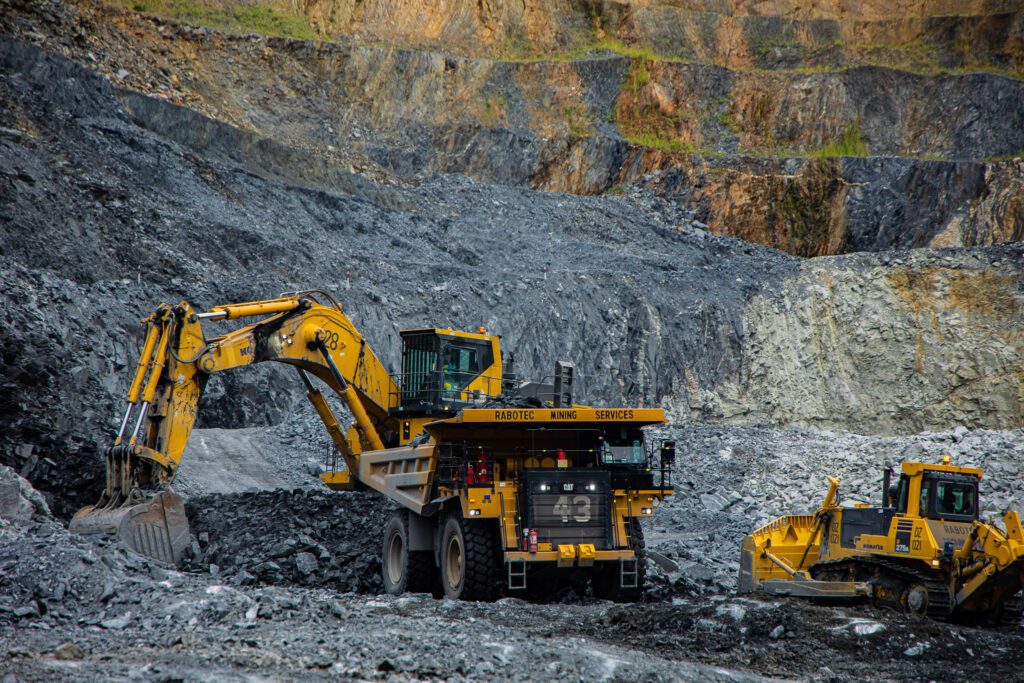
The debate surrounding these regulations has intensified in recent weeks, revealing a divide between those who fear the potential impact on employee welfare and those who see legislative intervention as a non-negotiable path to equity.
While Dr. Bansah acknowledges that concerns regarding the well-being of the current workforce are valid and must be addressed through holistic strategies, he maintains that these issues should not derail the broader objectives of local content policies.
The historical reality of Ghana’s mining landscape marked by 120 years of commercial extraction serves as a sobering reminder that without structural changes to how value is captured, communities will continue to suffer from displaced livelihoods and significant environmental degradation despite the millions of ounces of gold extracted from beneath their feet.
Addressing the Paradox of Mineral Wealth
The paradox of the “resource curse” is perhaps nowhere more visible than in the ancient mining towns of Tarkwa, Prestea, and Obuasi.
Despite hosting large-scale gold mining operations for over a hundred years, these areas remain characterized by high costs of living and pervasive poverty.
Dr. Bansah points out that while mining companies have thrived, the host communities have often been left with the “significant environmental impact” and the disruption of cultural practices.

This long-standing history of extraction without corresponding development has fueled a recurring national debate on the fundamental question of “whether we should mine or not.”
To break this cycle, there must be a departure from the traditional model where mining acts as an enclave economy.
The “revenue leakage” that currently defines the sector is largely a result of local businesses being sidelined in favor of foreign suppliers for specialized services and high-end equipment.
Strengthening local content is not merely about job creation; it is about ensuring that the sophisticated, high-value technical and financial segments of the industry are accessible to Ghanaian firms.
This transition is essential to ensure that the wealth generated underground translates into modernized infrastructure and improved standards of living on the surface.
Strengthening the Regulatory Framework
Beyond the immediate participation of local firms, the transformation of mining economies requires a multifaceted approach to governance.
Dr. Bansah identifies several systemic bottlenecks that have historically hindered progress, including “weak regulatory systems, poor enforcement, inadequate contract structures,” and “ineffective management.”
Even the best-intentioned local content laws will fail to yield results if they are not backed by a robust enforcement regime that holds multi-national mining corporations accountable to their domestic procurement and employment targets.
Properly enforced regulations serve as a catalyst for industrialization. When mining companies are required to source goods and services locally, it incentivizes the growth of indigenous manufacturing and service sectors.
This creates a multiplier effect where the mining industry supports a diverse ecosystem of ancillary businesses, from logistics and engineering to specialized technology providers.
By addressing “corruption” and tightening “contract structures,” the government can ensure that the benefits of mining are not siphoned away through administrative inefficiencies, but are instead reinvested into the communities that bear the brunt of the extraction process.
The Path Toward Sustainable Transformation
The ultimate goal of local content regulation is to foster a mining sector that is both sustainable and inclusive. For the transformation to be “meaningful,” it must look beyond short-term gains and focus on long-term capacity building.
This involves investing in technical education and skills transfer so that the local workforce can compete for roles in the “high-value segments” that Dr. Bansah emphasizes.

Such a strategy ensures that when the mineral resources are eventually exhausted, the local economy remains resilient and diversified, rather than collapsing into a post-mining ghost town.
As the debate continues, the focus must remain on creating a system where local participation is the rule rather than the exception.
By aligning local content enforcement with broader reforms in transparency and management, Ghana can ensure that its next century of mining looks vastly different from the last turning historic mining towns into beacons of industrial success and economic stability.
READ ALSO: Casemiro Backs Carrick for Permanent Manchester United Coaching Job