The European Commission has unveiled a dramatic and highly contentious plan that could reshape the financial front of the Ukraine war.
Under the new proposal, the European Union intends to fund Ukraine with a loan backed by Russia’s frozen sovereign assets. Branded as a “reparations loan”, the move has ignited intense debate across Europe, especially within Belgium, which hosts most of the frozen funds. The announcement comes at a critical moment as Ukraine faces a looming financial crisis and as recent US Russia peace talks make little headway.
European Commission president Ursula von der Leyen defended the proposals, stressing that the dual-option framework would give Ukraine the strength it needs both on the battlefield and at the negotiation table. She said the proposals would ensure “Ukraine has the means to defend [itself] and take forward peace negotiations from a position of strength”.
Ukraine’s financial situation has become increasingly precarious. With forecasts suggesting Kyiv could run out of money by next spring, the pressure on Europe to act has mounted sharply. EU officials estimate that Ukraine will require €136 billion in 2026 and 2027 to maintain its defense and vital government operations. This urgent financial need has propelled the reparations loan back into the spotlight, despite the lack of consensus among EU leaders earlier in October.

Von der Leyen has outlined a €90 billion plan that she believes will cover two thirds of Ukraine’s projected needs over the next two years. She expects “other international partners” to cover the remaining portion. This new push comes after the Trump administration floated a controversial plan to invest some of Russia’s frozen assets in joint US Russia projects, as well as diverting profits from $100 billion of frozen funds to rebuild Ukraine. European leaders firmly opposed the US proposal, reinforcing the urgency for Europe to take control of the issue.
Belgium Pushes Back Against Legal and Political Risks
Belgium has emerged as the strongest opponent of the reparations loan. As the host of the Euroclear securities depository in Brussels, which holds €183 billion of the frozen Russian assets, Belgium fears that using the funds as collateral could trigger massive lawsuits by Russian individuals and entities.


Belgian Prime Minister Bart De Wever warned that the plan could leave Belgium with a multibillion euro liability. He called the proposal “fundamentally wrong” and said it would undermine future peace negotiations because the assets would no longer be available for Ukraine’s reconstruction.
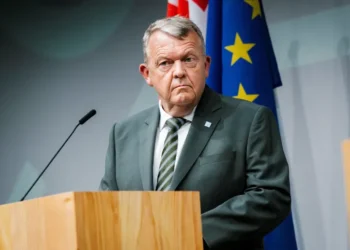
Belgium’s foreign minister, Maxime Prévot, echoed these concerns. He said the reparations loan remained “the worst of all” options and insisted that the European Commission had failed to address Belgium’s concerns.
According to Prévot, “The text the commission will table today does not address our concerns in a satisfactory manner. It is not acceptable to use the money and leave us alone facing the risks.” He added that Belgium had been frustrated at “not being heard” and felt its concerns were being “downplayed”.

Von der Leyen Defends the Plan as a Strategic Move Against Russia
In response to Belgium’s objections, von der Leyen insisted that the reparations loan proposal included “strong safeguards for our member states” and said the EU had “taken almost all” of Belgium’s concerns into account.
She argued that the loan would increase the financial pressure on Russia and strengthen Europe’s negotiating posture. “We are increasing the cost of Russia’s war of aggression and this should act as a further incentive for Russia to engage at the negotiating table,” she said.
EU officials maintain that the legal risks are minimal because Russia would retain ownership of the frozen assets. Under the plan, the EU would simply use the assets as collateral for a loan to Ukraine on the assumption that Moscow will eventually be held liable for reparations payments. The frozen funds, which total around €290 billion in the West, mostly remain in Europe and are expected to stay frozen for the foreseeable future.
European Divisions Deepen but Momentum Builds Behind the Plan
The controversy highlights the divide within the EU. Germany, along with Nordic, central and eastern European countries, strongly supports the reparations loan and views it as an essential tool for sustaining Ukraine’s war effort. Belgium, however, continues to resist, although it could theoretically be outvoted. In practice, the EU is reluctant to isolate Belgium given the scale of the assets held on its territory.
To ease tensions, the European Commission has also introduced an alternative: a common EU loan for Ukraine backed by unused funds in the EU budget. While Belgium favors this option, many member states oppose further common borrowing, leaving the EU at a crossroads.
Despite the disagreements, momentum appears to be shifting toward action. With Kyiv’s financial reserves dwindling and Russia showing no signs of compromise, the urgency for a robust funding plan is greater than ever.
As European leaders prepare to meet later this month, the question remains whether the EU will take the unprecedented step of leveraging frozen Russian billions to safeguard Ukraine’s survival and reshape the geopolitical balance of the war.
READ ALSO:Africa’s First Ladies Converge in Accra to Triple Eliminate HIV, Syphilis, and Hepatitis B