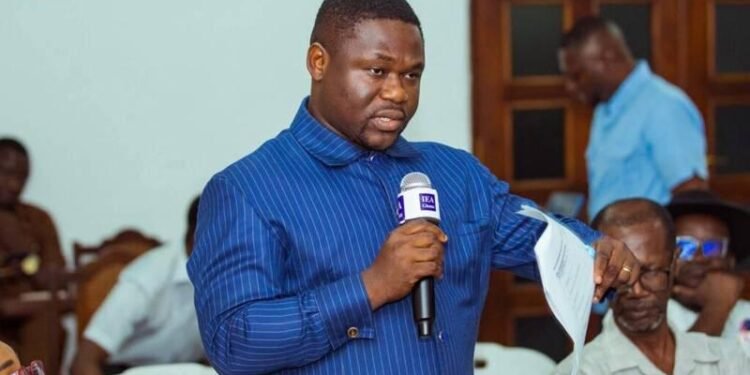
Dr. Thomas Anaba, the Member of Parliament (MP) for Garu and a key member of the Health Committee, has presented a stark contradiction in Ghana’s healthcare policy, accusing Zipline of engaging in systematic inflation of its drone flights.
He also gave full endorsement to the government’s plan for a 120% increase in National Health Insurance Scheme (NHIS) tariffs.
Dr. Anaba alleged that the medical drone service, which costs the government $88,000 per center per month, deliberately splits simple requests into multiple deliveries to create the false impression of high activity and justify the exorbitant fee.
The Garu MP warned that this practice represents a severe lack of value for money, urging the government to terminate the contract in all but the most remote areas.
His comments follow recent revelations by Health Minister Hon. Kwabena Mintah Akandoh regarding Zipline’s deviation from its emergency mandate, which has been exacerbated by the government’s outstanding debt to the company.
“I have evidence and I have doctors and nurses who have told me that they tell them to call for them to bring commodities. And when they say they need 10 vaccines for tetanus, they will send five and say when you finish the five, send for the other five.
“This is just to permit them to go two times to the scene and make sure they are delivering and that they were really functioning”
Dr. Thomas Anaba, MP for Garu
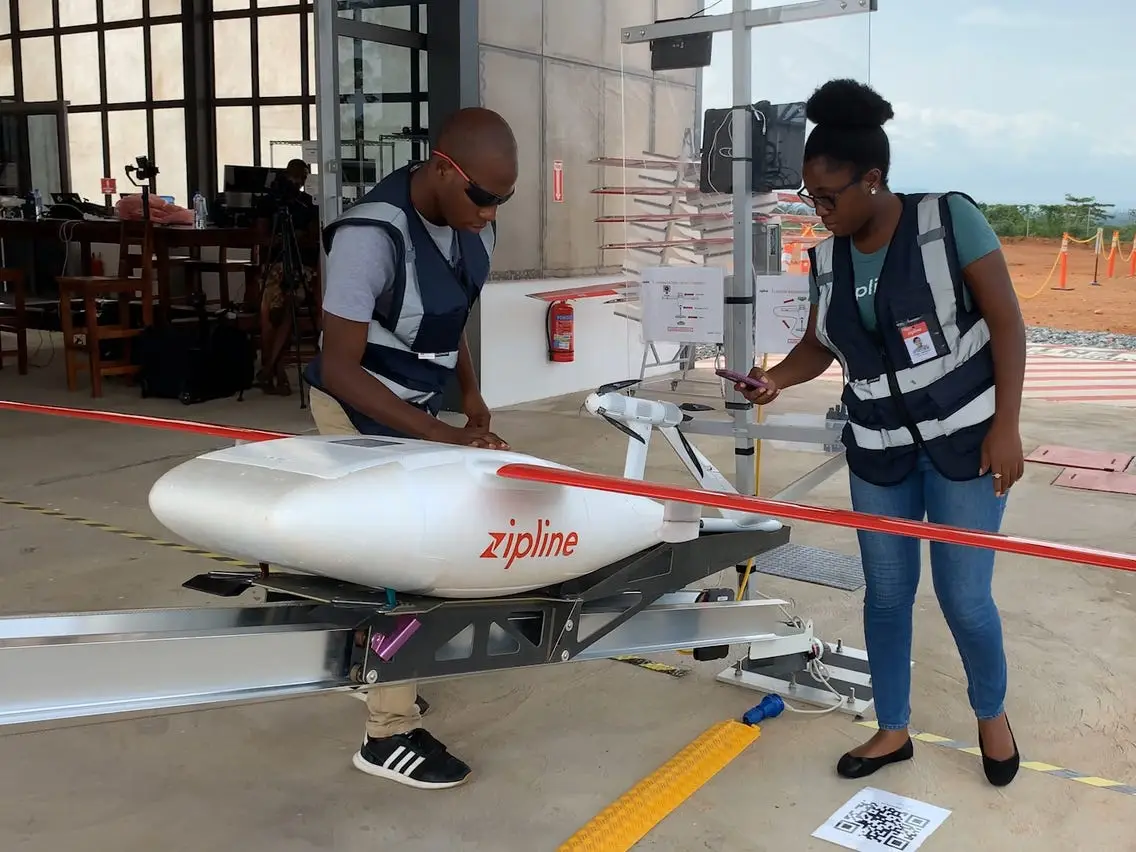
Dr. Anaba maintained that the service has severely strayed from its original purpose of serving hard-to-reach and emergency areas, noting that the bulk of deliveries were being made to urban facilities. He questioned why the government should continue paying the high fee for services available through conventional logistics.


He further alleged that many deliveries were unnecessary, citing Health Minister Akandoh’s confirmation that Zipline flies items such as condoms.
“All the services they provided were virtually in the cities and the towns which means sinking $88,000 every month in one centre was too much for the services they provided,” he said, concluding that the entire arrangement was “shrouded in secrecy.”
Dr. Anaba reiterated his call for the Zipline contract to be cancelled, save for areas with genuine, extreme access challenges like the Afram Plains. He proposed a highly targeted alternative for the funds saved by ending the contract: investing in critical local infrastructure.
He urged that the money currently subsidizing Zipline be redirected into strengthening laboratory systems and cold-chain facilities already available nationwide. This investment, he argued, would enhance the capabilities of Ghana’s public healthcare infrastructure far more sustainably than relying on an expensive drone courier service.
Endorsement for 120% NHIS Tariff Hike

In a pivot to health financing, Dr. Anaba fully endorsed the government’s plan to significantly adjust tariffs for healthcare service providers under the National Health Insurance Scheme (NHIS).
The planned 120% increase in NHIS tariffs, revealed by the Health Minister at the recent Government Accountability Series, is necessary, Dr. Anaba argued, to address the long-standing complaints from health facilities that the current tariff structure is unrealistic and financially unsustainable.
“The government uncapped the levy because it was the money meant for health insurance… if they have uncapped it and there are more resources and there has been a cry for the increment of tariffs for several years now, it is very prudent for the government to increase it”
Dr. Thomas Anaba, MP for Garu
The Garu MP insisted that the increase is fully justified by the earlier decision to uncap the NHIS levy, which made more resources available to the scheme. He concluded that the tariff increment would be highly beneficial to Ghanaians, as it would provide hospitals with the financial capacity they have lacked for years.
“They will be able to provide quality service, buy equipment, renovate their hospitals, make their hospitals very neat and pay staff to give out their best. To me, this is the best thing that has happened to the health sector”
Dr. Thomas Anaba, MP for Garu

Dr. Anaba’s position focused on optimizing the efficiency of public spending, demanding accountability from external contractors while ensuring local health facilities receive the financial boost needed to deliver quality care.
READ ALSO: Ghana’s Bond Market Roars Back to Life as Trading Explodes Past GH¢1.5bn