The Chamber of Petroleum Consumers (COPEC) is intensifying calls for government to expedite the restoration of operations at the Tema Oil Refinery (TOR) and establish a national strategic fuel buffer, following consecutive fuel price hikes that have strained households and businesses.
Executive Secretary Duncan Amoah said Ghana’s current exposure to international market volatility and lack of a backup stockpile leaves the country vulnerable to frequent and unpredictable price increments. He warned that without buffers, consumers remain at the mercy of global shocks.
“Presently without buffers, we are simply living dangerously and I think that the officials or authorities must begin to think outside the box.”
Duncan Amoah, Executive Director of the Chamber of Petroleum Consumers (COPEC)
Mr. Amoah added that TOR’s revival has become critical not only for pricing stability but also for long-term national energy security.
“TOR is looking very okay now and they need to secure their sustainability path and create a buffer; otherwise, we face an initial price hike with another likely to follow.”
Duncan Amoah, Executive Director of the Chamber of Petroleum Consumers (COPEC)

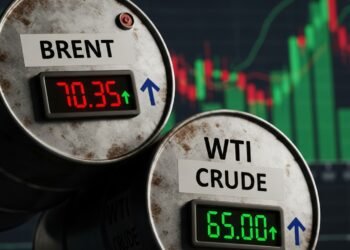
The appeal comes amid persistent increases in fuel prices across recent pricing windows. Consumers have experienced repeated hikes driven by international crude market trends, cedi depreciation, and supply constraints.
COPEC argued that a functioning TOR, backed by a national buffer stock of refined products, would shield Ghanaians from these shocks.


A buffer stock would allow the state to release products onto the market when prices rise sharply, helping stabilise the downstream value chain.
Energy analysts have long maintained that Ghana’s absence of a strategic petroleum reserve leaves it overly dependent on imported refined products, which are directly exposed to global price swings.
Rebuilding Trust Through Accountability and Stronger Governance

Beyond operational concerns, COPEC emphasised that TOR’s long-term recovery must include restoring confidence among stakeholders.
For years, concerns about product pilfering, contract irregularities, and mismanagement have plagued the refinery. Mr. Amoah believes TOR’s new leadership must prioritise transparency and robust governance systems to rebuild trust.
He said structural reforms, not rhetoric will determine whether customers and partners regain confidence in the refinery’s operations.
Industry analysts also point out that trust is fundamental to enabling TOR to negotiate favourable supply contracts, secure financing, and attract technical partners.
A central element of TOR’s revival is the urgent need to address its aging infrastructure. Years of deferred maintenance have reduced the refinery’s throughput and reliability, contributing to frequent shutdowns.
TOR’s pipelines, pumping systems, and storage facilities have deteriorated, resulting in inefficiencies, higher operational costs, and reduced production capacity. The refinery’s output, which once played a key role in meeting national demand, has declined significantly.
Experts argue that for TOR to operate competitively in today’s energy market, modernization is unavoidable.
Pipeline Rehabilitation and Technological Upgrades Critical to TOR’s Future
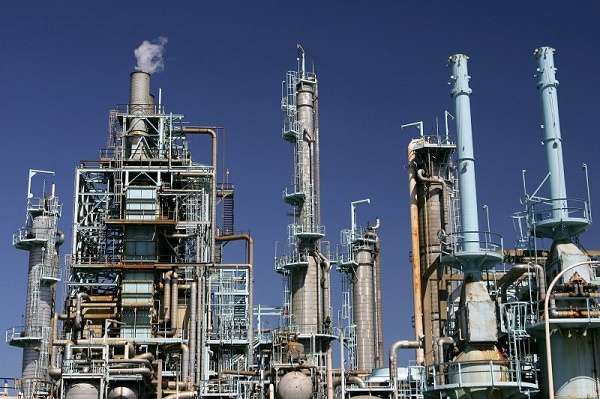
Restoring the refinery’s pipeline network is essential. Improved pipelines will ensure efficient movement of crude and refined products, reduce losses from leakages, and prevent flow constraints that affect supply timelines.
At the same time, updating TOR’s pumping systems with variable speed drive (VSD) technology will bring several advantages, including lower energy consumption, longer equipment life, and reduced operational expenses. These upgrades would also ensure products maintain appropriate temperatures during transfer—critical for quality assurance.
Upgrading loading gantries, redesigning operational layouts, and enhancing fire-suppression systems will not only protect personnel but also align the refinery with modern occupational safety standards.
Analysts argue that without these targeted investments, TOR will struggle to regain relevance in an increasingly competitive regional downstream market.
Ghana’s petroleum downstream sector relies heavily on imported products. A functioning TOR would diversify supply sources, reduce import dependency, and offer government greater control over pump price stability.
A strategic buffer stock, expected to store weeks’ worth of refined products would further insulate the economy from price shocks caused by global tensions or supply chain disruptions.
Mr. Amoah said that prioritising TOR’s revival and building a buffer stock is not merely an operational issue, but a national obligation.
He believes both measures, if implemented properly, will provide long-term relief for consumers and strengthen energy security.
READ ALSO: Trump Administration Rolls Back Biden Fuel Rules, Citing $109bn Savings