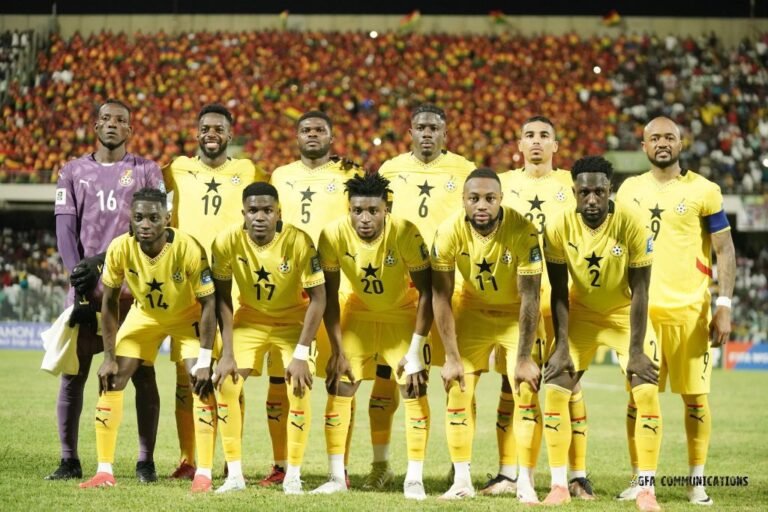
Ghana has been handed one of the most challenging group assignments of the 2026 FIFA World Cup after being drawn alongside European giants England, 2018 finalists Croatia, and CONCACAF underdogs Panama in Group L.
The final draw, held on Friday in Washington, D.C., set the stage for what promises to be the most expansive and competitive tournament in World Cup history. The ceremony, filled with anticipation and global attention, confirmed Ghana’s path as the Black Stars prepare for their return to football’s biggest stage.
With the tournament expanding to 48 teams and organised across 16 host cities in the United States, Mexico, and Canada, the stakes are higher than ever. Ghana now faces the daunting task of navigating a group that blends experience, pedigree, and unpredictability.
Group L, which will host some of the tournament’s most-watched fixtures, places Ghana against three teams with contrasting football identities. England, former world champions and consistent contenders, bring a deep squad of Premier League talent and a high tactical discipline that has seen them reach later stages of recent major tournaments.
Croatia, renowned for its technical brilliance and midfield mastery led by world-class players, remains one of the most tactically resilient sides in world football. Panama, while less heralded, is known for their physicality, determination, and ability to disrupt the rhythm of more established football nations.
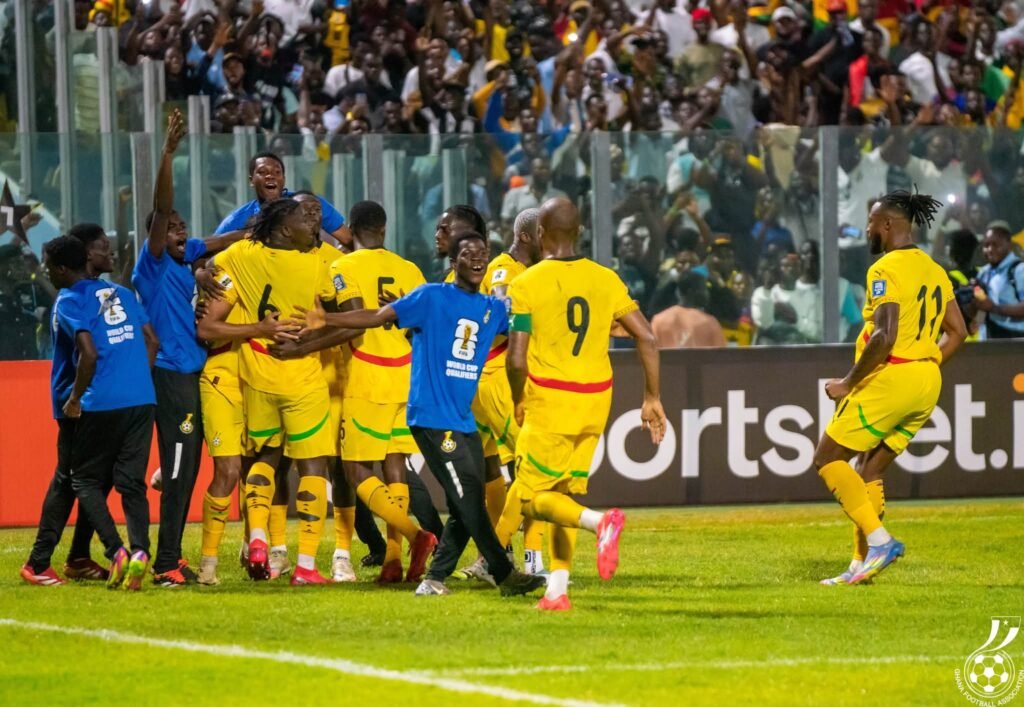
For Ghana, the draw is as exciting as it is demanding. With a youthful squad undergoing rebuilding, the Black Stars will rely heavily on strong preparation, tactical flexibility, and the resilience that has defined their past World Cup appearances.


While the team’s elimination in the group stage of the 2022 tournament was a tough blow, the 2026 edition presents an opportunity for redemption on a grander stage and against elite opponents.
Expanded Group Format
The final draw also laid out the landscape for all 12 groups in the expanded format. Notable pairings include Brazil, Haiti, Scotland, and Morocco in Group C, Germany, Curacao, and the Ivory Coast in Group E, France, Norway, and Senegal in Group I, and Portugal, Uzbekistan, and Colombia in Group K.
The United States was placed in Group D alongside Paraguay and Australia, with a playoff team completing that group. Mexico, another co-host, topped Group A, while Canada leads Group B.
The expansion to 48 teams has created a new dynamic in the competition. The format consists of 12 groups of four teams each, with the top two teams from every group and the eight best-performing third-place teams advancing to an unprecedented Round of 32 knockout stage.
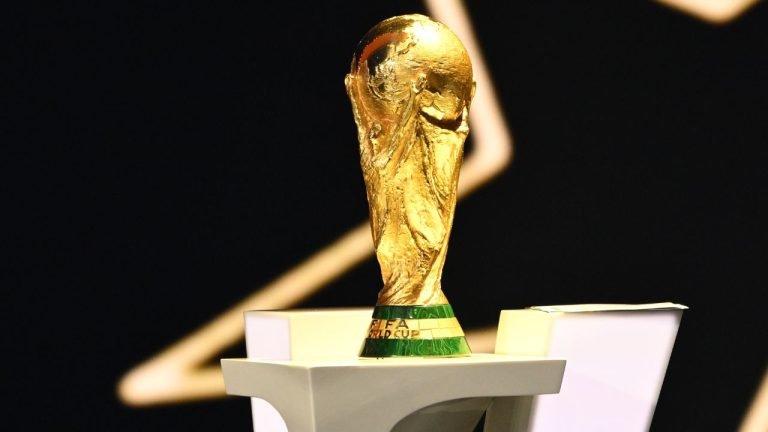
This ensures that teams like Ghana, even in tough groups, have a greater statistical chance of progressing—provided they secure at least one win and a competitive goal difference. Yet, despite this expanded pathway, competition remains fierce, with smaller nations gaining broader opportunities to challenge traditional football powers.
The 2026 World Cup, co-hosted by the United States, Mexico, and Canada, will run from June 11 to July 19. This will be the first time the tournament is held across three nations and the first time since 1994 that the United States will host World Cup matches.
With 16 cities staging games, organisers have promised a global spectacle leveraging modern stadium infrastructure, widespread fan engagement, and the global popularity of football in a fast-growing North American market.
Ghana’s Cautious Optimism
For Ghanaian fans, the excitement is already building. Social media reactions following the draw captured a blend of confidence, humour, and cautious optimism.
Supporters highlighted the Black Stars’ historic ability to rise to big occasions, recalling Ghana’s iconic performances against football giants such as Germany, Portugal, and the United States in past tournaments. Many believe the challenge presented by England and Croatia may bring out the best in the team.
Football analysts, however, have urged strategic preparation. They argue that Ghana must blend experience with youth, emphasise defensive organisation, and maximise attacking opportunities, especially against Panama—a game widely viewed as must-win.
Matches against England and Croatia will require tactical discipline and clinical finishing, given the high calibre and experience of those European teams.
As the countdown to June 2026 accelerates, Ghana’s technical team is expected to intensify scouting, tactical refinement, and squad development. Friendly matches against European and Latin American sides are likely to be prioritised to mirror the style of Group L opponents.
The draw in Washington has set the tone for what promises to be a memorable and intense competition. For Ghana, the path ahead is undeniably challenging, but it is also ripe with opportunity.
In a tournament where underdogs have consistently carved out defining moments, the Black Stars will aim not only to survive the group but to announce their resurgence on the world stage.
READ ALSO: Trump Crowned First FIFA Peace Prize Winner