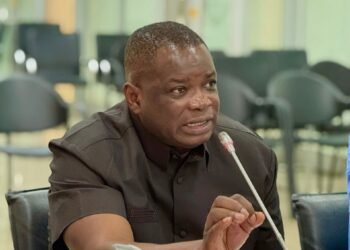
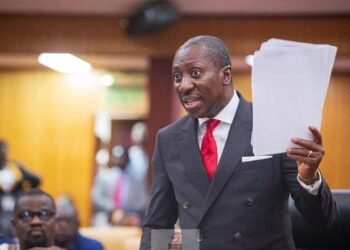
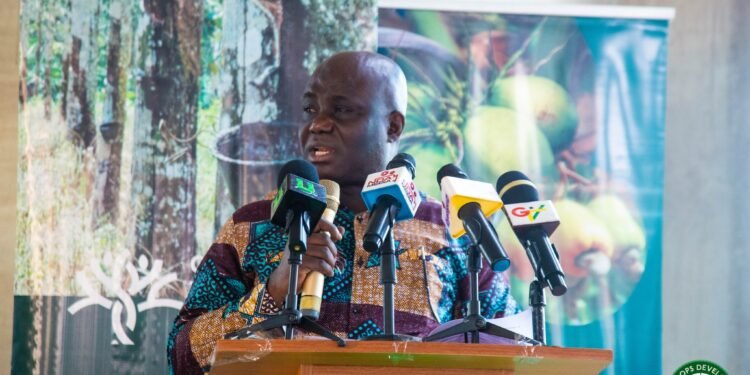
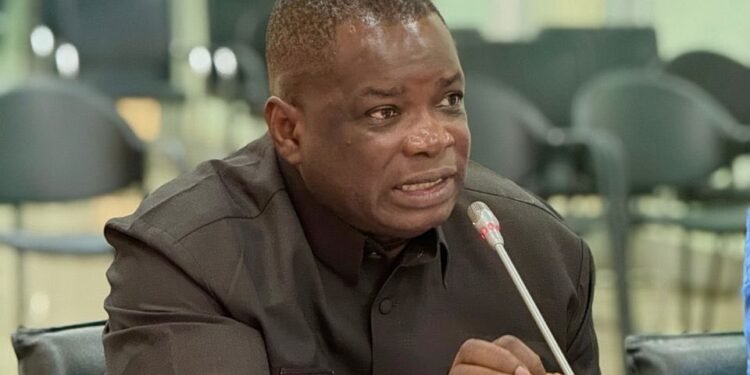
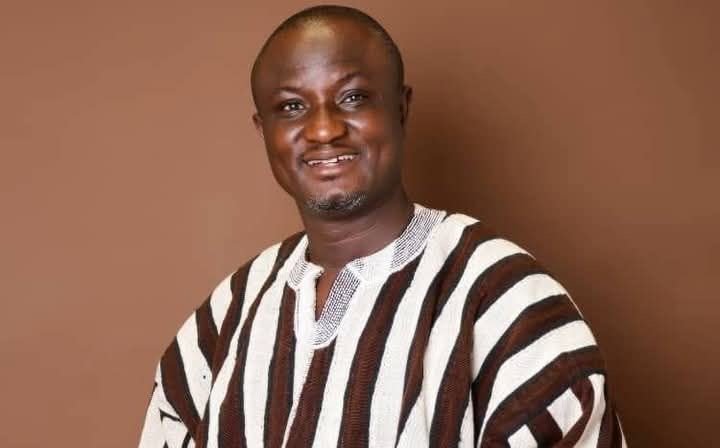
In recent developments on the high-stakes political debate on the continued existence of the Office of the Special Prosecutor (OSP), the Member of Parliament (MP) for Yendi, Hon. Abdul-Fatawu Alhassan, has given strong backing to calls for abolition, arguing the OSP is an unconstitutional entity “established merely to score political points.”
This view was opposed by Ibrahim Adjei, a former Secretary to the Office of the former President, who insisted that the OSP is a crucial pillar that must be preserved, arguing that the problem lies solely with the current officer, not the institution.
The debate, sparked by renewed demands from the Majority Caucus led by Majority Leader Hon. Mahama Ayariga, pits the argument of constitutional illegality against the claim of leadership failure, demanding a definitive resolution for the nation’s anti-corruption architecture.
“To some of us, the OSP legally shouldn’t be in existence. When you come up with another law which gives another body autonomy to prosecute cases, and it doesn’t go under the Attorney-General, then you are undermining the provision of the constitution”
Hon. Abdul-Fatawu Alhassan, MP for Yendi
Hon. Abdul-Fatawu Alhassan strongly argued that the very foundation of the OSP contradicts Ghana’s supreme law. He maintained that the 1992 Constitution clearly and explicitly vests the sole authority to prosecute criminal cases in the Attorney-General and Minister for Justice.
Therefore, any subsidiary institution exercising such power must logically derive its mandate and authority directly from the Attorney-General’s office.
The Yendi MP asserted that despite this, the OSP does not draw its power from the Attorney-General. Instead, it was established as a coequal, parallel, and autonomous body, which he views as a fundamental breach of constitutional provisions.


Furthermore, Hon. Alhassan questioned the original rationale for the office’s creation, dismissing it as a tool of political expediency rather than a genuine governance necessity. “I knew from the very beginning it was unnecessary,” he said.
He maintained that if the nation is serious about tackling corruption, the OSP should be immediately dissolved, and its functions “reassigned fully to the Attorney-General,” to continue its work under the established constitutional framework.
Preserve the Office, Remove the Officer
In sharp contrast to the MP’s call for complete abolition, Ibrahim Adjei rejected the idea of scrapping the OSP entirely. He defended the office as a crucial and necessary pillar in Ghana’s protracted fight against corruption, arguing that the institution itself must be preserved for future anti-corruption efforts to succeed.
For Mr. Adjei, the current criticism leveled against the OSP stems not from a structural fault, but from a failure in its current leadership. He insisted that the issue should be addressed by removing the incumbent Special Prosecutor, Kissi Agyebeng, rather than dismantling the entire framework created to fight graft.

“Do not remove the office, remove the officer, and that is what I think should happen in this particular case – because there has been ineffectiveness. The fact that somebody cannot deliver does not mean you should remove the institution”
Ibrahim Adjei, Former Secretary to the Office of the Former President
He added that he would fully support the removal of the current officer if there is demonstrated evidence of failure to deliver on the OSP’s mandate, thereby saving the institution for a more effective future appointee.
Yet, Mr. Adjei’s comments went beyond the personnel issue, stressing that for the OSP to function effectively as an integral part of the national anti-corruption architecture, it requires greater operational support.
Aligning with defenses mounted by other political experts for the relevance of the OSP, he emphasized the urgent need for the OSP to be properly resourced and for stronger, more streamlined collaboration with other key security and intelligence agencies across the country.
The renewed debate highlights a critical impasse: does the current perceived ineffectiveness of the OSP signal a structural and constitutional flaw, as argued by the Yendi MP and the Majority Leader, or is it merely a fixable problem of poor leadership and inadequate operational support, as maintained by Mr. Adjei?
The ongoing parliamentary scrutiny confirms that the ultimate fate of the Office of the Special Prosecutor now hangs in a precarious balance.
READ ALSO: Fidelity Bank Pushes ESG, GreenTech and Youth Innovation as Ghana’s New Growth Pillars