Youth involvement is increasingly being recognised as critical to the growth and sustainability of Ghana’s energy sector, as policymakers and industry leaders intensify calls for deliberate efforts to equip young people with the skills and opportunities needed to drive innovation.
The push comes amid Ghana’s broader energy transition agenda, which seeks to expand clean energy, strengthen regional power integration and support long-term economic development.
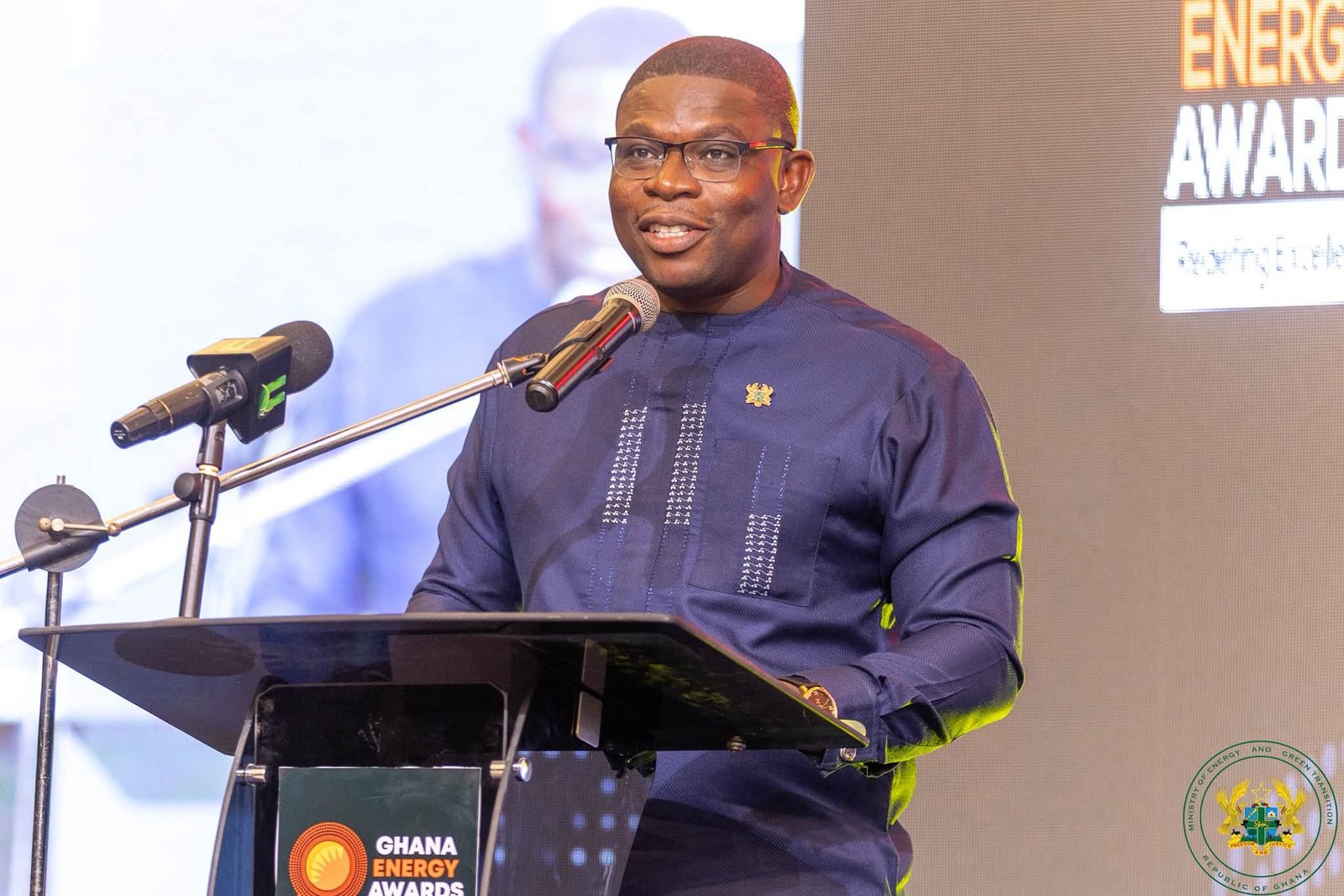
Deputy Minister for Energy and Green Transition, Hon. Richard Gyan-Mensah, underscored the importance of youth participation, describing young people as central actors in shaping not just the future, but also the present of Africa’s energy landscape.
“Although the West Africa region faces significant challenges, it is demonstrating resilience and optimism.”
Hon. Richard Gyan-Mensah, Deputy Minister for Energy and Green Transition
He noted that Ghana’s economic recovery and ongoing energy reforms are beginning to yield results. He added that the country’s ambitious transition agenda reflects “the outcomes achievable when vision is paired with decisive action.”
The Deputy Minister explained that emerging opportunities in clean energy, digitalisation and regional power integration are expanding rapidly, opening new pathways for young professionals and entrepreneurs.
These developments, he said, require a workforce that is technologically savvy, innovative and prepared to operate in an increasingly interconnected energy market.


Youth as Active Participants, Not Passive Beneficiaries

Hon. Gyan-Mensah stressed that young people must be seen as active contributors rather than passive beneficiaries of energy sector reforms.
He pointed to the growing involvement of youth in renewable energy startups, data-driven energy management solutions and regional power initiatives as evidence of their rising influence.
“I was deeply inspired by the passion, creativity, and determination demonstrated by the youth, who are already shaping the future of West Africa’s energy sector.”
Hon. Richard Gyan-Mensah, Deputy Minister for Energy and Green Transition
According to the Deputy Minister, these qualities are essential for addressing complex challenges such as energy access gaps, climate change and infrastructure deficits.
He noted that empowering youth with the right skills and platforms would help accelerate Ghana’s transition toward cleaner and more resilient energy systems.
The energy transition, Hon. Gyan-Mensah explained, is not only about replacing fossil fuels with renewable sources but also about embracing digital technologies that improve efficiency, transparency and reliability.
He said young people are uniquely positioned to lead in this space due to their familiarity with digital tools and emerging technologies.
Across West Africa, investments in solar, wind and off-grid solutions are creating demand for engineers, data analysts, technicians and entrepreneurs.
Digitalisation of power systems, including smart grids and regional power trading platforms, is also reshaping how energy is generated, distributed and consumed.
Call to Youth Leadership and Innovation
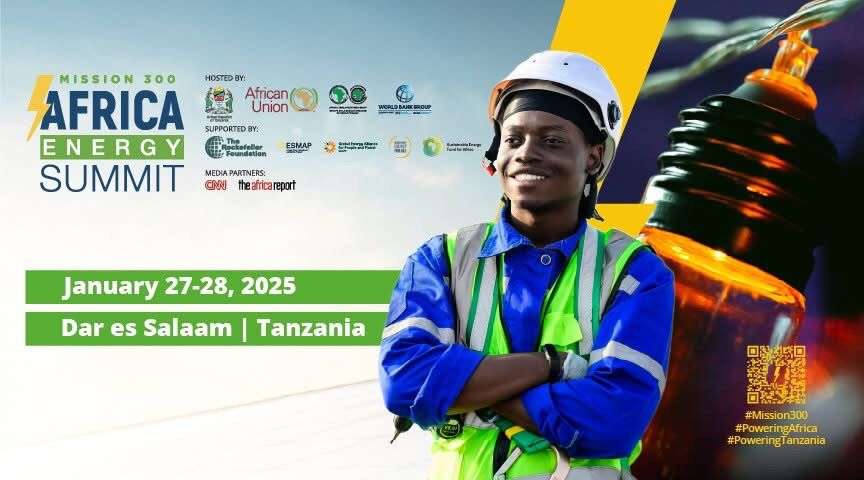
In a direct message to young people, Hon. Gyan-Mensah emphasised their responsibility to lead with innovation and purpose. He encouraged them to harness their creativity and technological expertise to build solutions that respond to Africa’s unique energy challenges.
“To the youth: you are not only the future but also the driving force shaping the present,” he said. He added that their ideas and leadership would help deliver “a greener, smarter, and more connected Africa.”
The Deputy Minister’s remarks echoed a growing consensus among policymakers that youth-led innovation will be critical to achieving national and regional energy goals, including universal access, affordability and sustainability.
Hon. Gyan-Mensah concluded with a strong call for confidence and ambition among Africa’s youth, declaring, “YES—the YOUTH hold the power to light up Africa.”
He stressed that governments, educational institutions and the private sector must work together to create structured pathways for young people to enter and thrive in the energy sector.
These include targeted training programmes, mentorship, research opportunities and access to financing for youth-led energy ventures.
As Ghana continues to pursue its green transition and regional energy leadership ambitions, the emphasis on youth involvement reflects a broader understanding that sustainable energy systems require not only infrastructure and capital, but also human talent and innovation.
READ ALSO: NRSA Demands Dedicated Motor Lanes to Curb ‘Meandering’ After Okada Legalization