The integrity of Ghana’s academic credentials has been thrown into sharp focus following a major revelation by the Ghana Tertiary Education Commission (GTEC).
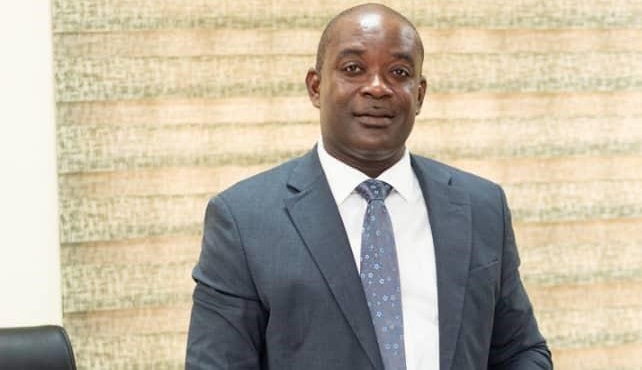
The Director General of GTEC, Prof. Ahmed Jinapor Abdulai, has disclosed in an interview that the vast majority of doctorate degrees – both earned and honorary – awarded to Ghanaians by foreign institutions are based on operations that lack accreditation, rendering the certificates void.
“Some certificates that are claimed to have been gotten from some institutions are invalid because the basis upon which those certificates were given are questionable.
“In our case, we have come to realize that a number of these institutions happen not to be in Ghana, most of them happen to be foreign institutions, and they don’t have accreditation from the relevant foreign and local regulatory bodies”
Prof. Ahmed Jinapor Abdulai, Director General of GTEC
Prof. Jinapor stated that the Commission’s intensive verification efforts have uncovered a systemic problem where unaccredited foreign bodies collaborate with unapproved agencies to confer titles, fundamentally diluting the value of genuine Ghanaian scholarship.
Prof. Jinapor stressed that GTEC’s findings are a matter of record and have consequences. This lack of legal standing means the degrees and titles they issue cannot be recognised within Ghana’s tertiary education system for employment, promotion, or further study.
He clarified that the current public outcry over a few high-profile individuals possessing ‘fake’ degrees represents only a “microcosm,” of the total number of people GTEC has engaged with privately.
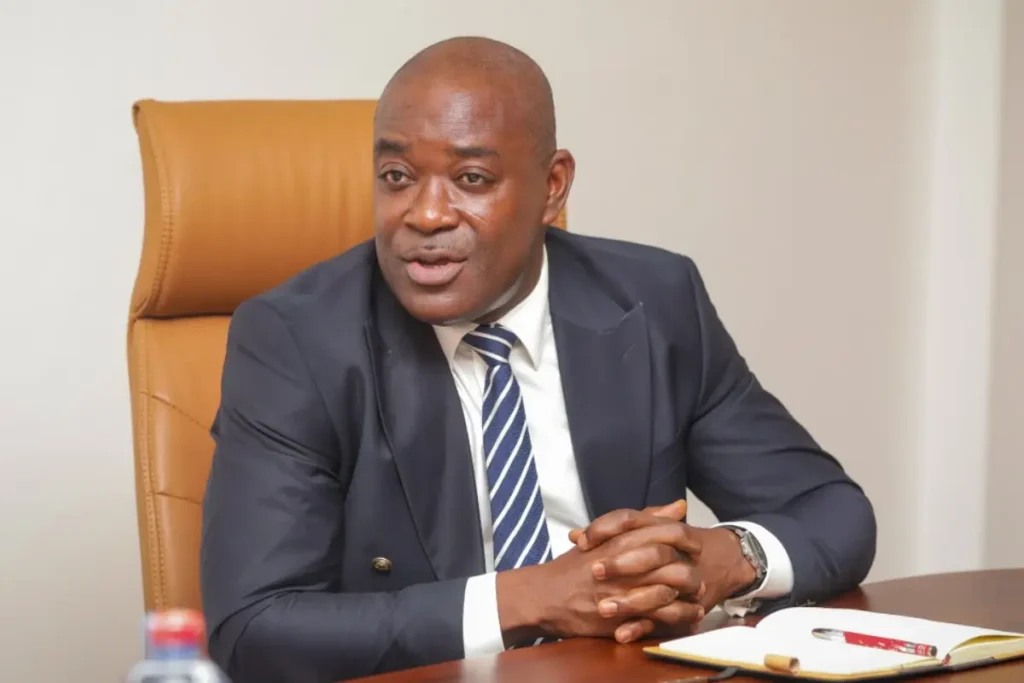
Encouragingly, Prof. Jinapor reported a high rate of compliance among those contacted.
“When most of the people that we engage with understand and appreciate the dynamics of where they find themselves, they just say, ‘we are not interested. I was given an honorary doctorate so to speak with the intention that I could use it but if the regulator says that I cannot use it and it dilutes the environment, I am ready to let it go’”
Prof. Ahmed Jinapor Abdulai, Director General of GTEC
The Director General estimated that 99% of the individuals GTEC has contacted privately have agreed to “shelve” the degrees, choosing cooperation over confrontation. This high compliance rate, he noted, suggests a willingness among many recipients to uphold academic standards once the regulatory offence is understood.
He maintained that GTEC’s actions are essential to safeguard the country’s highest academic level from being “diluted and corrupted.”
Defending the Mission
Responding to suggestions that GTEC is unduly focused on individuals or operating from a place of “personal vendetta,” Prof. Jinapor forcefully dismissed the claim.
He emphasized that the Commission is a regulatory body performing a core function mandated by the Education Regulatory Bodies Act, 2020 (Act 1023), stating that in most cases, GTEC’s staff do not even know the individuals being investigated.
The Commission’s motivation is purely structural: protecting the implied intellectual capacity associated with high academic titles.
“When you are referred to as Dr., Prof., the assumption is that you have a very high level of intellectual capacity. So, if it is the case that in this society of ours almost everybody and anybody is assuming that title then it defeats this whole agenda of resetting that we have brought ourselves into”
Prof. Ahmed Jinapor Abdulai, Director General of GTEC
He insisted that ensuring the sanctity of the academic hierarchy is an important matter that cannot be relegated to the background, especially as Ghana seeks to leverage its human capital for national development.
Accreditation, Audits, and Policy
Prof. Jinapor further refuted the notion that GTEC’s sole preoccupation is “chasing titles,” explaining that the crackdown on fake degrees is just one component of GTEC’s extensive mandate to regulate and streamline the tertiary education sector.
“We are giving accreditation, we are doing audits, we are ensuring that whatever needs to be done within the tertiary education space is done… Today, as we speak, we just referenced coming out with more or less a policy framework on the concept of mature students”
Prof. Ahmed Jinapor Abdulai, Director General of GTEC
The Director General concluded that GTEC is doing a “good job to sanitise the academic system,” emphasizing that public trust in qualifications is paramount.
The rigorous enforcement of accreditation standards for foreign credentials is therefore an essential component of the national agenda to ensure the credibility and quality of Ghana’s intellectual leadership.