
An anticipated downward adjustment in fuel prices is set to bring much-needed relief to Ghanaian households and businesses, as easing global crude oil and refined product prices begin to reflect in the local market.
Energy law expert Lom Nuku Ahlijah, speaking in an interview with Vaultz News, described the expected reduction as a positive outcome of broader global market movements.
“The anticipated reduction in fuel prices is welcome news for Ghanaian households and businesses.
“A fall in petrol, diesel and LPG prices will ease the cost of living, lower transportation costs and provide some immediate relief to consumers.”
Energy law expert Lom Nuku Ahlijah
According to Mr. Ahlijah, the price adjustments are not isolated events but part of a broader international trend driven by easing crude oil prices and softer refined product markets.
He noted that Ghana, as an import-dependent fuel market, inevitably reflects global pricing movements, especially when currency conditions remain relatively stable.
“This downward adjustment reflects broader global trends in crude and refined product prices,” he added, underscoring the role international market dynamics play in shaping local pump prices.
Chamber Confirms Mid-December Reductions
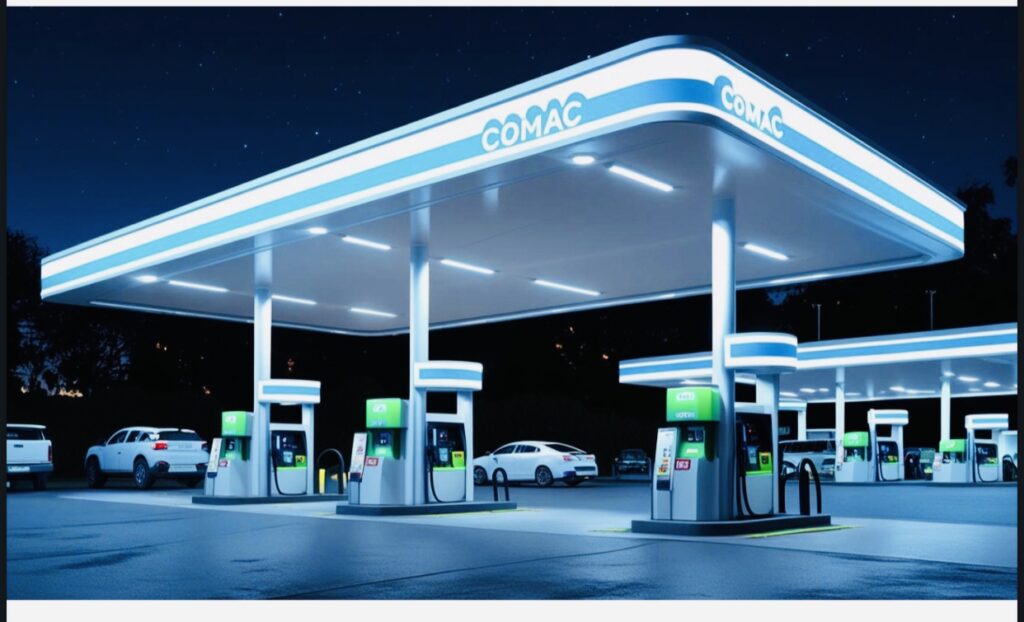


The Chamber of Oil Marketing Companies has echoed this optimism, assuring consumers that relief is imminent. According to the Chamber, falling global fuel prices are already reflected in pricing indicators used by oil marketing companies, setting the stage for lower pump prices from mid-December.
In a recent statement, the Chamber noted that “falling global fuel prices will lead to cheaper petrol, diesel and LPG for Ghanaians from mid-December, easing costs during the Christmas season.”
It added that the indicators “already show clear reductions in finished petroleum product prices,” suggesting that consumers will feel the impact directly at the pumps.
Industry analysts say this timing is particularly significant, as fuel demand typically rises during the Christmas period due to increased travel, commercial activity, and social events.
Energy Sector Gains, But Sustainability Remains Key

While the immediate outlook appears positive, Mr. Ahlijah cautioned that sustained relief will depend on more than just temporary global price movements.
He stressed the importance of macroeconomic stability and regulatory discipline to ensure that benefits are consistently passed on to consumers.
“For the energy sector, lower prices can stimulate demand and reduce operational costs for transport and logistics companies.”
Energy law expert Lom Nuku Ahlijah
He noted that exchange rate volatility has historically offset gains from falling global prices, sometimes limiting the extent to which consumers benefit from international market downturns.
Maintaining relative currency stability, he argued, will be critical to preserving price reductions beyond the festive season.
Sustainability of the Price Declines

While welcoming the expected reductions, Ahlijah cautioned that sustained relief will depend on several critical factors. Chief among these are stability in global oil markets, effective management of the domestic exchange rate, and a regulatory framework that ensures price reductions are consistently passed on to consumers.
“Sustained relief will depend on continued stability in global markets, domestic exchange rate management, and a balanced regulatory environment that ensures reductions are passed through to consumers consistently.”
Energy law expert Lom Nuku Ahlijah
Fuel prices in Ghana are influenced not only by international product prices but also by the cedi-dollar exchange rate, taxes, levies, and distribution margins. Any sharp depreciation of the cedi or sudden shifts in global oil markets could quickly reverse gains at the pump.
As Christmas approaches, the convergence of falling global prices and favourable market indicators has raised hopes that this year’s festive season will be more affordable than recent ones.
If the projected reductions materialise as expected, fuel cost savings could ease travel expenses, support commercial activity, and provide households with some breathing space after months of economic strain.
For now, both consumers and businesses await mid-December with cautious optimism, hopeful that the anticipated fuel price cuts will deliver tangible relief at the pumps and beyond.