A new and alarming trend in educational access has been identified in Northern Ghana, where the lure of quick economic gains from illegal mining, also known as galamsey, and sports betting is actively pulling older children out of the classroom.
The Executive Director of the education think tank, Africa Education Watch (Eduwatch), Kofi Asare, revealed that approximately 70% of the out-of-school children (OOSC) population, aged between 12 and 17, are now being driven by these activities, marking a significant reversal of previous national educational patterns.
“One interesting finding is that, contrary to the national trend establishing the Population and Housing Census, more boys are out of school than girls, and that is striking. Especially where the attribution is because of economically related activities”
Kofi Asare, Executive Director of Africa Education Watch
The revelation follows an extensive Out-of-School Children Census conducted by Eduwatch across 20 districts in Northern Ghana.
Mr. Asare warned that this emerging dynamic suggests that children are enrolling but are later dropping out as they reach an age where they can participate in these lucrative, albeit destabilizing, economic ventures. The data points to a dangerous shift where the immediate promise of money is actively undermining the long-term value of formal education.
According to Mr. Asare, the latest census findings present a stark contrast to the trends identified in the 2021 Population and Housing Census. Previously, the majority of out-of-school children were concentrated in the younger age groups, typically those who failed to enrol at the basic level.
The current data, however, indicates a deepening educational crisis affecting adolescents. “What we have seen is that a new trend is emerging in the northern region, where the more people grow, the more they grow out of school,” Mr. Asare noted.


Furthermore, the census revealed a striking reversal of the national gender trend. Contrary to the pattern observed across most of the country, the majority of the OOSC population in the northern regions are now males.
The problem is most acute in specific districts, including Chereponi, Nanumba South, Tatale Sanguli, and Bawku West, raising serious questions about the effectiveness of existing interventions designed to retain boys in the education system.
Economic Drivers and Targeted Intervention
Eduwatch’s qualitative research directly linked the dropout phenomenon to economically related activities.
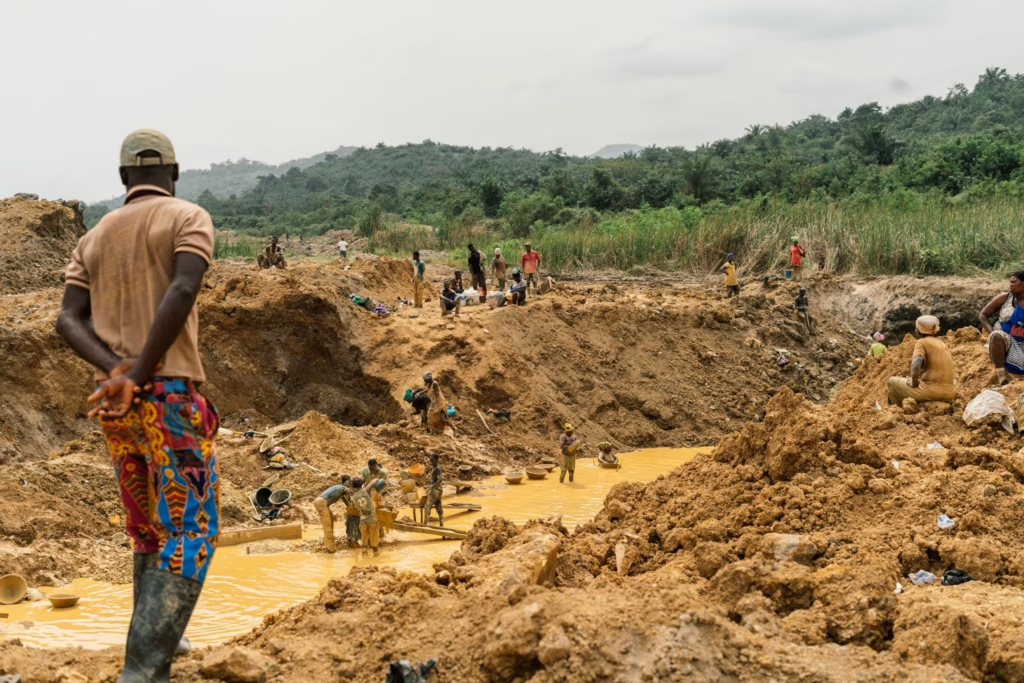
The primary culprits cited are the powerful lure of galamsey, particularly active in areas like the Talensi district, and the addictive and speculative nature of betting. These activities provide an immediate, if risky, source of income that competes fiercely with the delayed rewards of academic progression.

This economic pressure forces boys to forego school for work that jeopardizes their health, safety, and long-term potential, thereby creating a cycle of low-skilled dependency.
The findings of the OOSC Census were conducted precisely to evaluate the impact of previous government interventions since 2021 and to inform new policy directions. Eduwatch has consequently issued urgent calls for targeted strategies to address this evolving crisis.
The Executive Director of the think tank stressed the immediate necessity of measures that specifically address the economic pressures and provide viable alternatives to keep boys in school.
This will require a “multi-sectoral approach involving policymakers, local authorities, and community leaders,” to curb the unregulated access to both illegal mining sites and betting opportunities for minors.
Moreover, Eduwatch highlighted the structural deficiencies that further hamper effective teaching and supervision, calling for urgent government action to shore up human resources.
“Eduwatch has also called for urgent teacher recruitment in the first quarter of 2026, warning that understaffed schools remain a major obstacle to effective teaching and supervision”
Kofi Asare, Executive Director of Africa Education Watch
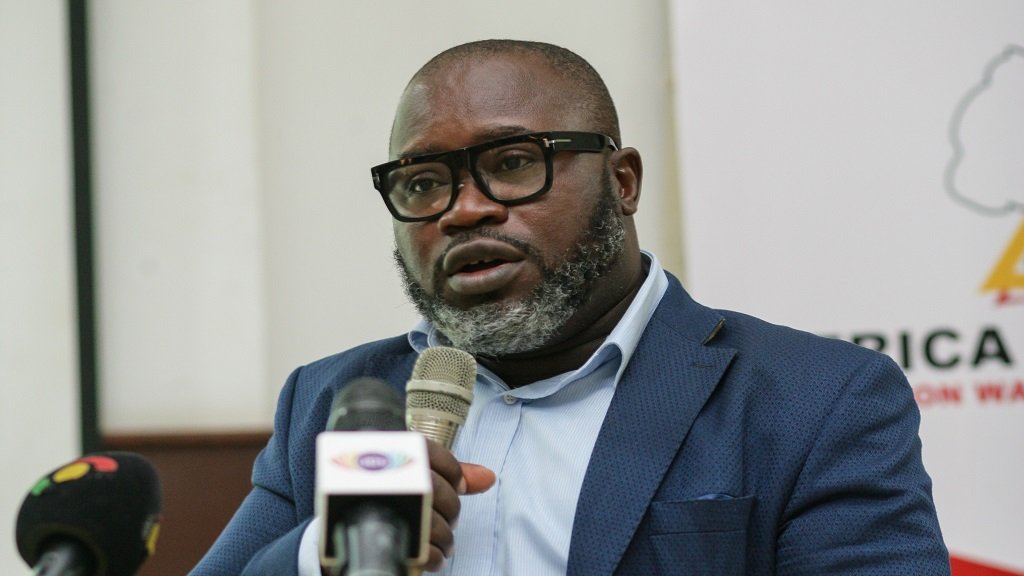
Mr. Asare concluded that if the government fails to address the immediate economic incentives pulling adolescents out of school, coupled with the systemic issue of understaffed schools, the efforts to guarantee equal access to education for all children will continue to be severely undermined.
READ ALSO: MIIF CEO Calls for Inclusive Mining Sector to Strengthen Productivity