Ghana’s economy is to forge new and expanded partnerships with the private sector as the meeting for the 17th replenishment of the African Development Fund (ADF-17) in London ends on December 16.
The two-day pledging meeting is hosted by the governments of the United Kingdom and Ghana, convening donor countries to back Africa’s next chapter of growth.
A new ADF financing cycle also presents a significant opportunity that the Bank Group is boldly seizing to deploy innovative financing instruments through the private sector. This opportunity presents a new vital effort needed to mobilize additional financing at a time when global aid flows are tightening.
The new opportunity for Ghana will bring into the country significant concessional financing to support its development priorities and enhance its role as a regional leader in African development cooperation, as it co-hosts the final pledging meeting for the fund.
Ghana’s Strategic Funding and Development Direction under ADF-17
The African Development Fund (ADF) provides grants and low-interest loans to the 37 low-income African countries, which helps them address critical development needs without worsening debt burdens. As an ADF recipient country, Ghana stands to benefit from these funds to invest in key sectors like infrastructure, energy, agriculture, and social services.

The ADF-17 cycle (from 2026-2028) focuses on accelerating inclusive green growth and building resilient economies. For Ghana, this means potential support for its specific national priorities, as outlined in the African Development Bank Group’s 2024-2029 Country Strategy Paper for Ghana, which prioritizes industrialization through private sector development and sustainable transport infrastructure.


Ghana has taken on a prominent role in the ADF-17 process by co-hosting the final pledging session in London in 2025, alongside the United Kingdom. This demonstrates Ghana’s strong confidence in the AfDB’s governance and allows it to help shape the continent’s development future and influence the fund’s priorities.
In a historic move showcasing growing African ownership of continental development, Ghana, along with other West African countries, has pledged its own financial contribution to ADF-17, committing US$ 5 million. This move is intended to encourage larger traditional donors to increase their commitments and underlines a shift in the donor-recipient paradigm.
A major priority for ADF-17 is strengthening food security and climate resilience. This is particularly relevant for Ghana, where agricultural development and adaptation to climate change are critical needs. The fund’s investments will support climate-smart agriculture and resilient infrastructure to help break the cycle of food crises.
The African Development Bank Group
The Fund, established in 1972 as the concessional arm of the African Development Bank Group, is replenished every three years. Over the last five decades, it has been instrumental in improving the lives of tens of millions across the 37 low-income countries it serves, amid mounting climate, economic, and security pressures.
As funding partners gather in London for ADF-17, expectations are high for an increase in the number of contributing African countries, signaling stronger ownership of the continent’s development agenda, and growing confidence in the Fund as a driver of inclusive growth. Particularly encouraging is the interest from countries that have themselves benefited from the ADF.
Among other innovations, ADF-17 is expected to introduce the Market Borrowing Option (MBO), a new mechanism that will enable the Fund to raise financing from the capital markets. The Fund is now implementing the policy framework required to operationalize the MBO during this cycle.
Mobilizing Capital for the Fund
ADF-17 represents a strategic new phase for the African Development Bank (AfDB) Group under Dr Sidi Ould Tah, who assumed office as its ninth President in September 2025.
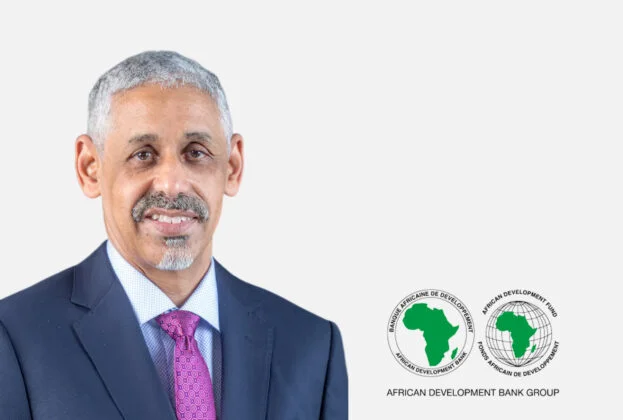
Dr Tah’s Four Cardinal Points (4CPs) agenda aims to mobilize greater capital, reform the continent’s financial architecture, harness demographic potential, and accelerate the development of climate-resilient infrastructure.
Within this framework, the African Development Fund remains indispensable – ensuring that Africa’s most vulnerable countries are not left behind in the global development push.
The Wider Benefit
For the African continent and its 1.5 billion people, the ADF-17 London meeting marks a strategic moment at which global partners must commit to match Africa’s ambition with commensurate resources.
This matched ambition will fuel a new era of opportunity rooted in the continent’s extraordinary human capital, energy potential, mineral wealth, and arable agricultural land.
READ ALSO: Cedi Under Pressure in Short Term, Yet Fitch Sees Controlled 8% Fall in 2026