• About
  • Advertise
  • Privacy Policy
  • Contact
Tuesday, January 20, 2026
  • Login
The Vaultz News
  • Top Stories
  • News
    • General News
    • Education
    • Health
    • Opinions
  • Economics
    • Economy
    • Finance
      • Banking
      • Insurance
      • Pension
    • Securities/Markets
  • Business
    • Agribusiness
    • Vaultz Business
    • Extractives/Energy
    • Real Estate
  • World
    • Africa
    • America
    • Europe
    • UK
    • USA
    • Asia
    • Around the Globe
  • Innovation
    • Technology
    • Wheels
  • Entertainment
  • 20MOBPL2DNew
  • Jobs & Scholarships
    • Job Vacancies
    • Scholarships
No Result
View All Result
The Vaultz News
  • Top Stories
  • News
    • General News
    • Education
    • Health
    • Opinions
  • Economics
    • Economy
    • Finance
      • Banking
      • Insurance
      • Pension
    • Securities/Markets
  • Business
    • Agribusiness
    • Vaultz Business
    • Extractives/Energy
    • Real Estate
  • World
    • Africa
    • America
    • Europe
    • UK
    • USA
    • Asia
    • Around the Globe
  • Innovation
    • Technology
    • Wheels
  • Entertainment
  • 20MOBPL2DNew
  • Jobs & Scholarships
    • Job Vacancies
    • Scholarships
No Result
View All Result
The Vaultz News
No Result
View All Result

Economist Attributes Ghana’s Persistent Debt to Deep-Seated Structural Deficiencies

Michael Teye-Bio Naduteyby Michael Teye-Bio Nadutey
December 16, 2025
Reading Time: 4 mins read
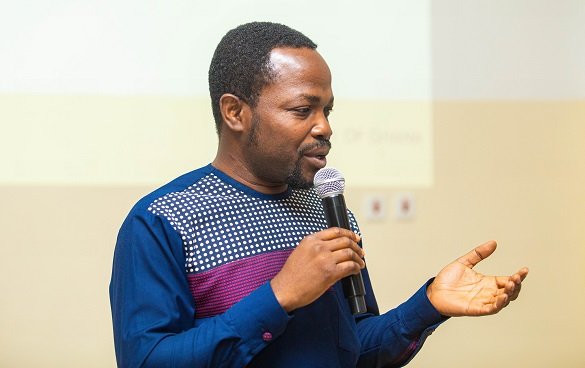
Prof. Fred Mawunyo Dzanku, Economist at ISSER

Prof. Fred Mawunyo Dzanku, Economist at ISSER

According to Professor Fred Mawunyo Dzanku, an economist at the Institute of Statistical, Social and Economic Research (ISSER), Ghana’s public debt challenge is a result of national structural deficiencies.

He mentioned that Ghana’s public debt crisis is a long-term structural phenomenon that the country has failed to find a long-term solution to. The temporal solutions have not yielded any fruit as the crisis persists.

“Ghana’s public debt challenge did not begin in 2017, and it cannot credibly be reduced to the actions of a single individual. The long-run trend reveals a structural problem.”

Professor Fred Mawunyo Dzanku, ISSER

Prof. Dzanku linked Ghana’s debt crisis to deep-seated structural issues such as “persistent fiscal deficits, weak domestic revenue mobilization, exchange-rate depreciation, and rising interest costs, [which] have driven debt accumulation across multiple administrations.”

RelatedPosts

IMF Adjusts Targets As Ghana Programme Nears End

BoG Projects Inflation at Lower End of Medium-Term Target

“2025 Was a Year of Painful Adjustments but Stability Is Back,” BoG Governor Declares

He also revealed that weak export diversification, rather than just external shocks like COVID-19, exposed the country’s structural weaknesses that hinder sustainable growth and make debt management challenging despite debt relief efforts.

He explained that, looking at the annual changes in the debt-to-GDP ratio, “while [Ghana’s] debt rose steadily before 2017, the pace of accumulation accelerated sharply after 2020,” adding that “the COVID-19 shock, emergency spending, revenue collapse, and severe exchange-rate depreciation translated into historically large year-on-year jumps in the debt ratio.”

He claimed boldly that “these are measurable outcomes and cannot be dismissed.” Addressing these will require structural reform to lay a new foundation for fiscal discipline and macroeconomic stability.

ADVERTISEMENT

“The key lesson is therefore institutional, not personal. Ghana’s debt problem reflects repeated failures to consolidate during growth periods, heavy reliance on non-concessional borrowing, and limited buffers against shocks.”

Professor Fred Mawunyo Dzanku, ISSER

Ghana’s consistent struggle to stabilize debt when economic conditions improve is an institutional problem that requires dedication and willpower from the managers of the economy.

debtsqueeze

World Bank and Others Support Debt Claim

The World Bank tied Ghana’s debt issue to the continent, suggesting that “structural weaknesses such as lack of a diversified export base make it more difficult for these countries to adjust to changing world economic conditions. Also, higher population growth in these countries makes achieving higher per capita income growth more difficult. These weaknesses prevent these countries from achieving the rapid economic growth necessary to escape from debt difficulties.”

The World Bank also asserted that debt has distorted the trade and policy initiatives of governments in Ghana. The debt situation absorbs substantial resources that could make a lot of difference in the lives of Ghanaians.

The distorted trade is a result of slowing productivity and exports in favor of rising debt. An opportunity cost is created when many developmental projects are written off because the debt level has absorbed the resources.

“External debt has grown faster than exports, while slowing trade, tighter financial conditions, and policy uncertainties have further constrained fiscal space.

“In several cases, rising debt service costs are absorbing a growing share of public revenues, potentially decreasing spending on health, education, and infrastructure—and eroding prospects for inclusive growth.”

World Bank

The Bank also alluded that “high external debt burdens are also associated with broader systemic fragility,” because “countries with weaker institutions and limited resilience face elevated vulnerability and reduced fiscal flexibility.”

Ghana’s economic system is fragile due to the high debt level the country has recorded in recent years. Addressing it will take a while to ensure systematic change and a reformed national economy.
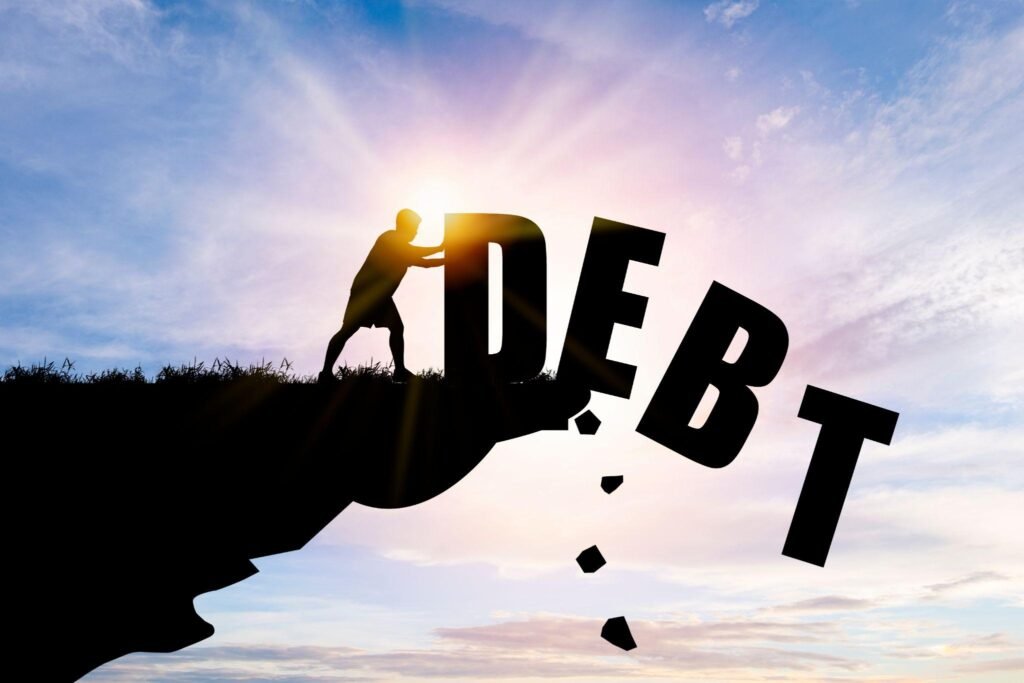
eliminate or get rid of debt concept
Tackling structural deficiencies will address the public debt crisis in Ghana

The World Bank confirmed that the 2022 crisis exposed pre-existing weaknesses, not just COVID-19 or the Russia-Ukraine war.

The IMF, in its analysis of the Ghanaian economy, noted that structural issues limit the rapid growth needed to escape debt difficulties, requiring country-specific solutions to Ghana’s predicament.

Prof. Godfred Bokpin has also argued that the high political costs of democracy strain budgets, necessitating expenditure cuts and better governance. This adds to the root solution to the debt menace Ghana faces.

Other experts have also highlighted the negative “debt overhang” and “crowding out” effects, where debt hinders investment.

Therefore, the long-term solution to Ghana’s high public debt is to address the structural, deep-seated economic issues the country faces. Ghana has previously failed to take advantage of the intermittent economic growth achieved in the past to address the structural issues and solve the debt crisis. The current macroeconomic stability and growth resilience should enable the government to set the country on a different economic path.

READ ALSO: Global Oil Prices Hit Below $60

Tags: COVID-19DebtDebt-to-GDP ratiodeep-seated structural issuesFiscal Disciplinehigh public debtIMFISSERmacroeconomic stability and growth resilienceproductivity and exportsProf. Godfred BokpinProfessor Fred Mawunyo Dzankustructural deficienciesWorld Bank
Share6Tweet4Share1SendSend
Please login to join discussion
Previous Post

Ghana’s Rapid Economic Rebound Redraws Africa’s Post-Crisis Recovery League Table

Next Post

Accra Generates Twice Waste it Can Manage – Majority Leader Champions Property Rate Reforms to Fix it

Related Posts

Ghana Inches Closer to $380 Million IMF Disbursement as Board Review Looms in December
Economy

IMF Adjusts Targets As Ghana Programme Nears End

January 20, 2026
Bank of Ghana Projects Inflation at Lower End of Medium-Term Target
Economy

BoG Projects Inflation at Lower End of Medium-Term Target

January 19, 2026
“2025 Was a Year of Painful Adjustments but Stability Is Back,” BoG Governor Declares
Economy

“2025 Was a Year of Painful Adjustments but Stability Is Back,” BoG Governor Declares

January 16, 2026
IMF Gives Ghana a Surprise Thumbs-Up as 2025 Economic Performance Beats Forecasts
Economy

 IMF Gives Ghana a Surprise Thumbs-Up as 2025 Economic Performance Beats Forecasts

January 16, 2026
Julie Kozack, IMF Director of Communications
Economy

IMF Justifies $214M DGPP Losses, Warns Against Holding Losses on BoG Balance Sheet

January 16, 2026
Mahama Assembles High-Powered Economic Brain Trust to Reset Ghana’s Economy
Economy

Mahama Assembles High-Powered Economic Brain Trust to Reset Ghana’s Economy

January 15, 2026
Williams Okofu-Dateh, CEO of the Ghana Integrated Iron and Steel Development Corporation
Vaultz Business

GIISDEC Formalizes Ghana’s Scrap Metal Trade

by Silas Kafui AssemJanuary 20, 2026
Extractives/Energy

Ghana Set to Refine One Tonne of Gold Weekly

by Prince AgyapongJanuary 20, 2026
Seidu Abdulai Mubarak, President of the National Seed Trade Association of Ghana
Agribusiness

NASTAG Slashes Seed Prices to Combat Market Glut

by Silas Kafui AssemJanuary 20, 2026
China purchased the site of the proposed new embassy, at Royal Mint Court, near the Tower of London, for £255m in 2018.
UK

UK Approves China’s Mega Embassy Plans

by Comfort AmpomaaJanuary 20, 2026
Sammy Gyamfi esq., GoldBod CEO
Extractives/Energy

GoldBod Signs Agreement with GCR to Implement Local Gold Refinery  

by Bless Banir YarayeJanuary 20, 2026
Dr. Kwabena Donkor, Former Energy Minister
Extractives/Energy

Dr. Kwabena Donkor Warns OMCs Over Illegal Fuel Discounts

by Prince AgyapongJanuary 20, 2026
Williams Okofu-Dateh, CEO of the Ghana Integrated Iron and Steel Development Corporation
Seidu Abdulai Mubarak, President of the National Seed Trade Association of Ghana
China purchased the site of the proposed new embassy, at Royal Mint Court, near the Tower of London, for £255m in 2018.
Sammy Gyamfi esq., GoldBod CEO
Dr. Kwabena Donkor, Former Energy Minister

Recent News

Williams Okofu-Dateh, CEO of the Ghana Integrated Iron and Steel Development Corporation

GIISDEC Formalizes Ghana’s Scrap Metal Trade

January 20, 2026
Whisk 73db79d798d7868b354438c9f626b338dr

Ghana Set to Refine One Tonne of Gold Weekly

January 20, 2026
Seidu Abdulai Mubarak, President of the National Seed Trade Association of Ghana

NASTAG Slashes Seed Prices to Combat Market Glut

January 20, 2026
China purchased the site of the proposed new embassy, at Royal Mint Court, near the Tower of London, for £255m in 2018.

UK Approves China’s Mega Embassy Plans

January 20, 2026
Sammy Gyamfi esq., GoldBod CEO

GoldBod Signs Agreement with GCR to Implement Local Gold Refinery  

January 20, 2026
The Vaultz News

Copyright © 2025 The Vaultz News. All rights reserved.

Navigate Site

  • About
  • Advertise
  • Privacy Policy
  • Contact

Follow Us

Welcome Back!

Login to your account below

Forgotten Password?

Retrieve your password

Please enter your username or email address to reset your password.

Log In
No Result
View All Result
  • Top Stories
  • News
    • General News
    • Education
    • Health
    • Opinions
  • Economics
    • Economy
    • Finance
      • Banking
      • Insurance
      • Pension
    • Securities/Markets
  • Business
    • Agribusiness
    • Vaultz Business
    • Extractives/Energy
    • Real Estate
  • World
    • Africa
    • America
    • Europe
    • UK
    • USA
    • Asia
    • Around the Globe
  • Innovation
    • Technology
    • Wheels
  • Entertainment
  • 20MOBPL2D
  • Jobs & Scholarships
    • Job Vacancies
    • Scholarships

Copyright © 2025 The Vaultz News. All rights reserved.

Discover the Details behind the story

Get an in-depth analysis of the news from our top editors

Enter your email address