Ghana has reopened discussions with the United States Millennium Challenge Corporation (MCC) over the possibility of another development compact, bringing the country’s energy-sector constraints back into focus four years after the previous Power Compact formally ended.
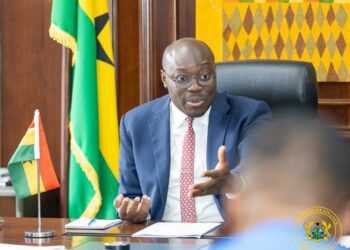
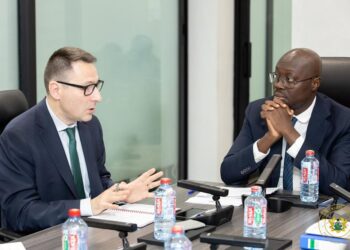
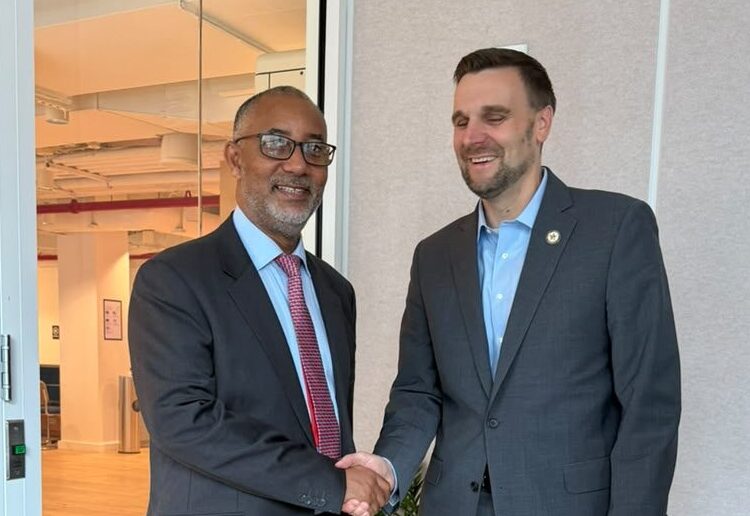
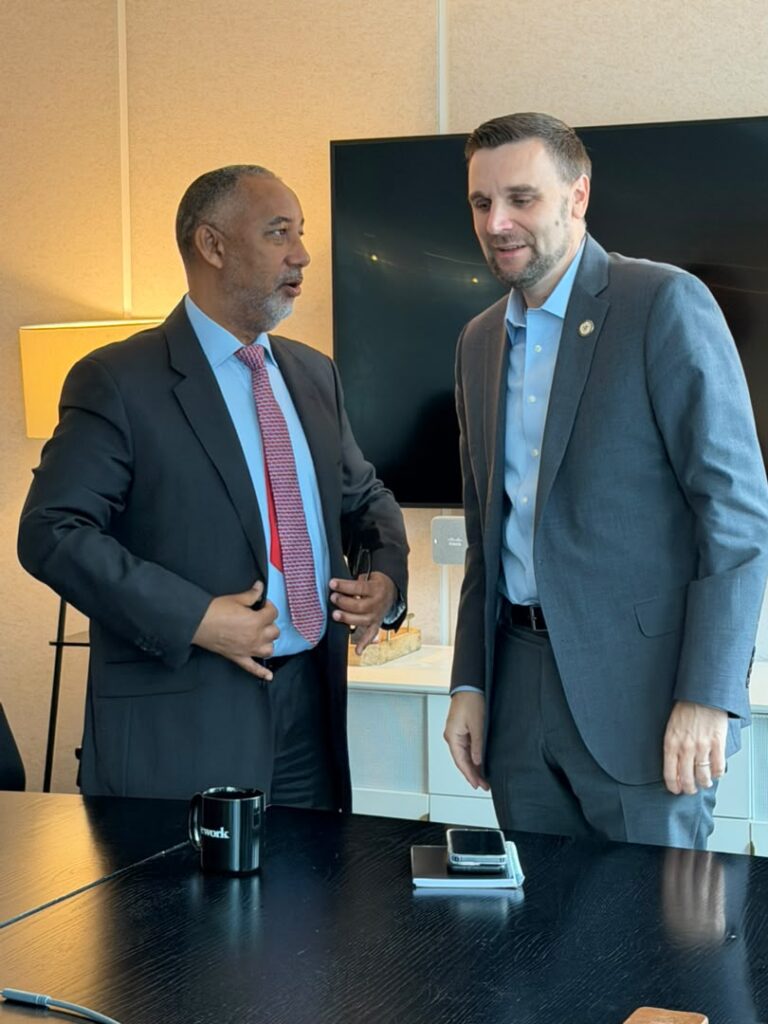
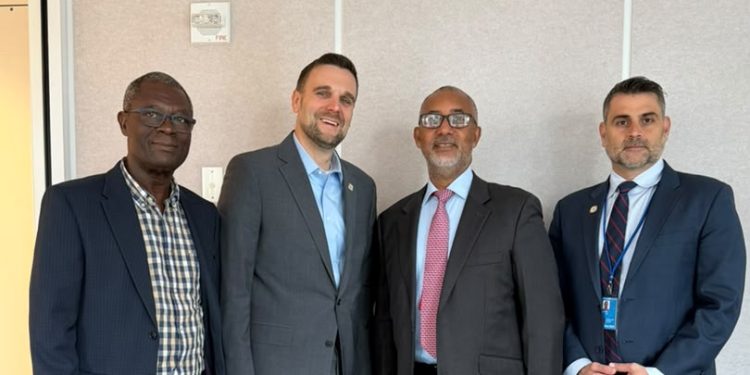
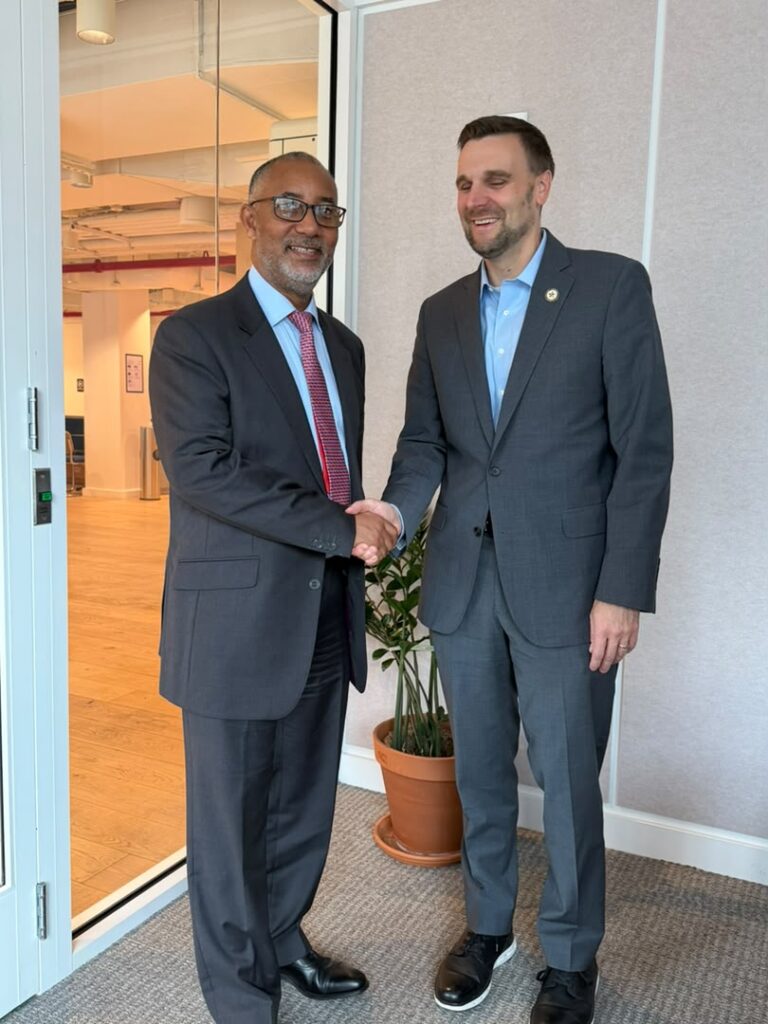
The engagement, held in New York between senior officials of the Millennium Development Authority (MiDA) and MCC, reviewed Ghana’s record under its two previous compacts and areas that could support renewed cooperation. Energy, electricity-grid reliability and deeper regional power integration emerged among the issues that could warrant further assessment.
No new compact has been approved and no financing amount has been committed. Renewed dialogue is only the first step. Ghana would still have to remain eligible, be selected by MCC’s Board for compact development, complete a constraints analysis and negotiate a programme before any new compact could be signed. The distinction is important because the latest engagement signals opportunity, not secured funding.
Ghana Must Demonstrate What Has Changed
Ghana has previously benefited from two substantial MCC programmes. The first compact, signed in 2006, provided about US$547 million for agriculture, rural development and transport investments.
The second Ghana Power Compact originally carried an envelope of about US$498.2 million and sought to improve electricity reliability, strengthen sector institutions and make power distribution more financially sustainable.
MCC later withdrew US$190 million that had been conditional on implementation of the ECG private-sector concession after government terminated the Power Distribution Services arrangement in 2019.
The remaining programme continued until June 2022. MCC’s official record of the Ghana Power Compact shows that the programme focused on electricity infrastructure, distribution performance, institutional reform and energy efficiency. The experience remains economically relevant because it demonstrated that infrastructure finance and institutional reform were treated as complementary rather than separate objectives.
Any new compact process would therefore require Ghana to show more than improved macroeconomic indicators. MCC would need evidence that earlier investments produced durable results, that implementation weaknesses have been addressed and that institutions can sustain the reforms attached to future funding. That scrutiny now intersects directly with the renewed debate over ECG’s operating model and private-sector participation.
Energy Again Looks Like a Binding Constraint
Energy remains a plausible binding constraint because electricity costs and reliability affect investment across manufacturing, mining, services and agro-processing. Unreliable supply raises self-generation costs, disrupts production and weakens competitiveness, while financially weak distribution utilities can shift losses back to the public balance sheet.
MiDA has identified electricity infrastructure and regional energy integration as areas where renewed cooperation could deliver economic value. Potential priorities include strengthening the grid, improving distribution performance and expanding cross-border power infrastructure. Natural-gas infrastructure linking regional producers and markets could also support generation reliability and power trade across West Africa.
The economic case is strongest if new infrastructure is paired with reforms that improve collections, reduce technical and commercial losses and strengthen the financial sustainability of electricity distribution. Ghana has invested heavily in electricity infrastructure, but the sector continues to generate substantial fiscal pressure. Energy investment therefore increasingly competes with fiscal consolidation and other public spending priorities.
New Compact Would Face a Different Investment Test
The renewed talks also come as MCC places greater emphasis on the commercial and strategic value of its partnerships. Officials involved in the discussions indicated that future assessments are expected to consider not only traditional development outcomes but also opportunities to expand United States investment, exports and supply chains, including those linked to critical materials.
That could create a different strategic context for Ghana. The country combines mineral resources, an established power system, Atlantic port access and a geographic position that can support regional electricity and trade integration. But those advantages do not guarantee selection. MCC must still establish that proposed interventions address demonstrable constraints to growth and that Ghana can sustain the policy and institutional changes needed to protect the value of any investment.
Opportunity, Not Funding Yet
The New York engagement should therefore be read as the opening of a possible new development-finance process, not the return of MCC funding to Ghana. If Ghana is eventually selected for compact development, concessional grant financing could help fund productive infrastructure without adding significantly to public debt, while creating room to crowd in private capital.
The more immediate test is institutional. After the PDS episode and the loss of the US$190 million conditional tranche, Ghana would need to demonstrate that the lessons of the previous Power Compact have translated into stronger implementation, clearer accountability and more durable power-sector reform. That evidence will matter as much as the size of any future financing envelope.
If energy again emerges as a binding constraint, a new compact could support grid reliability, regional integration and private investment. But the path from renewed talks to a signed programme will depend on whether Ghana can show that it is not simply seeking another infrastructure grant, but can convert external development finance into lasting gains in productivity, competitiveness and economic growth.
READ ALSO: Mahama Courts Amazon On Broadband As Ghana Chases Tech Investment