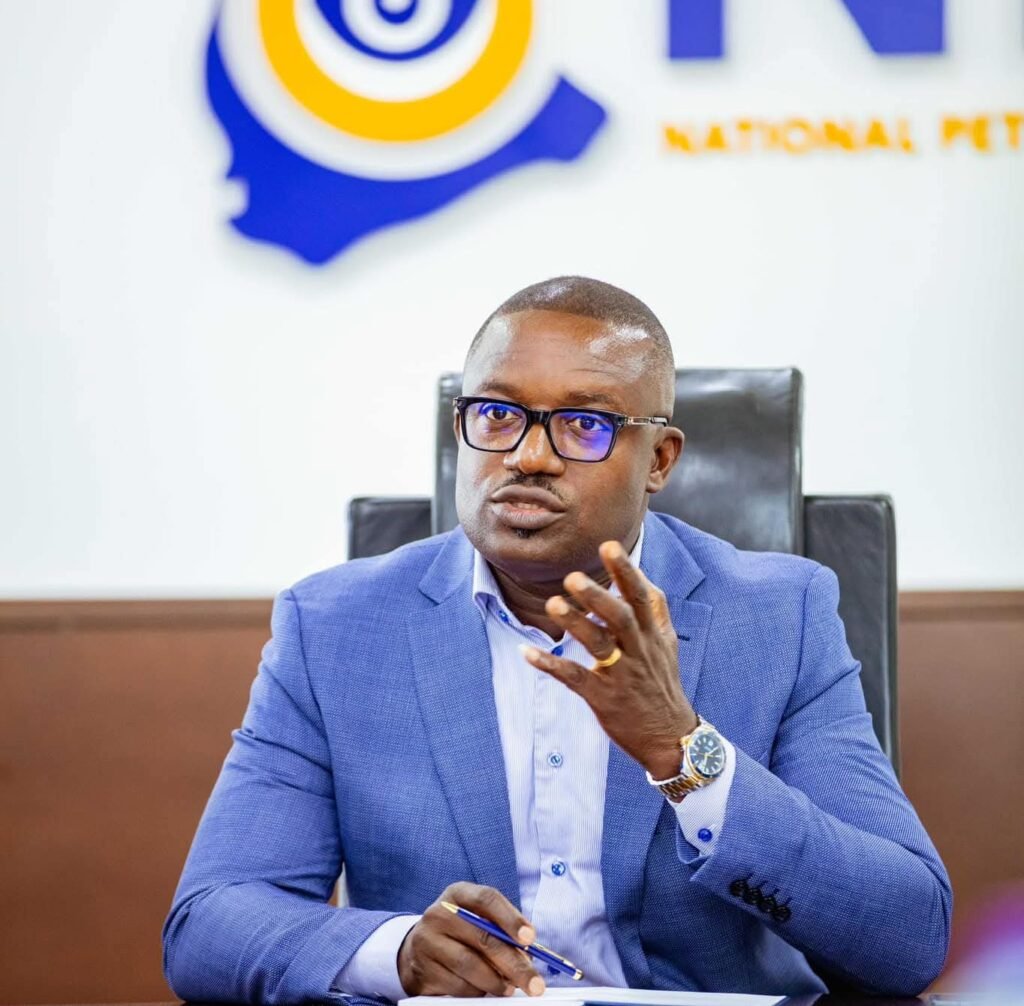
Ghana’s upstream oil and gas sector is experiencing a renewed surge in activity as policy reforms and regulatory clarity restore investor confidence, according to Dr Yussif Sulemana, Technical Advisor and Second Gas Processing Plant Focal Point at the Ministry of Energy and Green Transition.
He says the current wave of investment is the result of deliberate efforts by government to create a predictable and investor-friendly environment after years of uncertainty.
“Now, with the vibrancy within the upstream sector, we have been able to create an enabling environment that the players within the sector, especially the upstream, know that Ghana is a safe destination to invest.”
Dr Yussif Sulemana, Technical Advisor at the Ministry of Energy and Green Transition
The turnaround, he explained, has been critical in reversing the cautious posture previously adopted by some international oil companies.
Dr Sulemana recalled that prior to 2024, conditions in Ghana’s upstream space were challenging enough to prompt serious concerns among investors.
“It’s not by coincidence; if you notice before 2024, ENI almost exited, because the environment was not favourable.”
Dr Yussif Sulemana, Technical Advisor at the Ministry of Energy and Green Transition
That moment, he explained, served as a wake-up call for policymakers, underscoring the interconnected nature of the petroleum value chain and the risks of neglecting upstream stability.
Upstream as the Lifeline of the Energy Value Chain



According to Dr Sulemana, government recognised that weaknesses in the upstream sector inevitably cascade into the downstream and power sectors.
“Upstream is a lifeline. If you have your upstream down, then you can be sure that your downstream and the other supporting links would be a problem.”
Dr Yussif Sulemana, Technical Advisor at the Ministry of Energy and Green Transition
This understanding informed a renewed focus on upstream reforms, including regulatory reviews, engagement with investors, and efforts to streamline decision-making.
The objective, he said, was to reassure investors that Ghana remains committed to fair rules, contractual stability and long-term partnership.
“ENI as we speak now is investing vigorously and massively into the gas infrastructure,” he said, adding that the company’s portfolio is heavily gas-oriented.
Dr Sulemana revealed that the Italian energy major is now investing “vigorously and massively” in gas infrastructure, a development that has far-reaching implications for power generation and industrial growth.
The investments, he noted, are already delivering dividends by strengthening Ghana’s gas-to-power strategy and reducing reliance on more expensive liquid fuels.
According to Dr Sulemana, ENI has committed to invest about $1.5 billion, a significant signal of confidence at a time when global oil prices are relatively modest.
Major Commitments From Jubilee and Tullow Partners
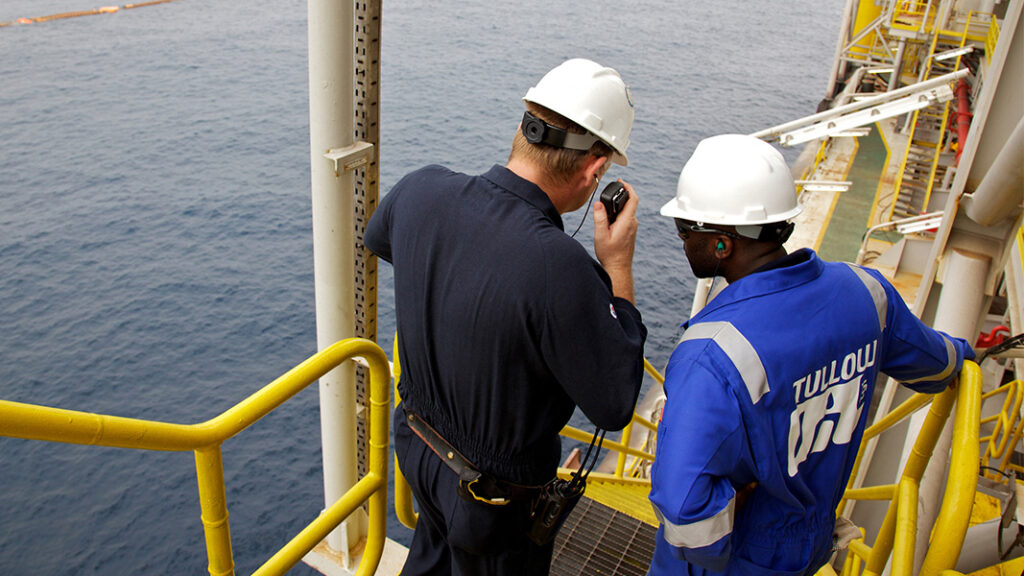
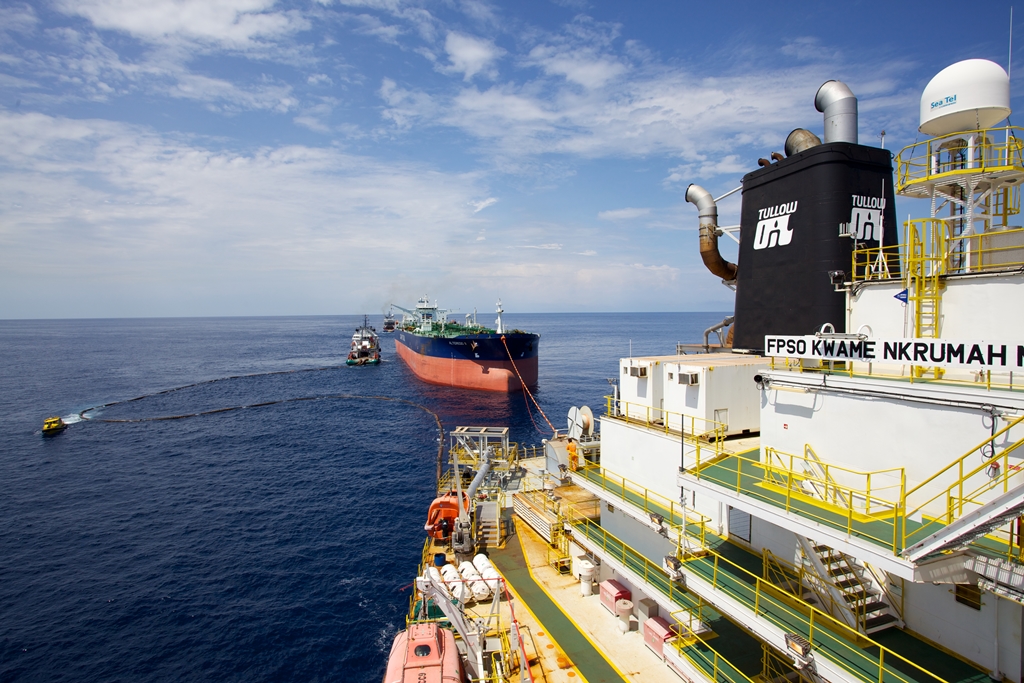
ENI is not alone in renewing its faith in Ghana’s upstream prospects. Dr Sulemana disclosed,“Our Tullow partners, our Jubilee partners, have also promised to invest about $2 billion.”
What makes these commitments particularly noteworthy, he added, is that they are being made “within the armpit of oil price around the 60s.” In an era of cautious capital spending by oil companies worldwide, such investments suggest that Ghana’s projects remain competitive and commercially attractive.
Dr Sulemana emphasised that the resurgence in upstream activity sends a clear message to global investors. “Ghana is a safe destination to invest, rules work here,” he said, underscoring the importance of regulatory certainty in attracting long-term capital.
He explained that government has been actively reviewing upstream frameworks, local content policies and downstream infrastructure arrangements to ensure they align with current realities. These reviews, he noted, are not cosmetic exercises but are already yielding tangible results.
Regulatory Reviews Delivering Results
According to Dr Sulemana, the ongoing reforms across the petroleum value chain are designed to strengthen governance, enhance local participation and improve efficiency without discouraging foreign investment. “The review, all this review that we are doing, is using a lot of results,” he said.
He pointed out that clearer rules and faster decision-making have helped rebuild trust between government and investors, creating a more collaborative atmosphere. This, in turn, has unlocked new capital for exploration, field development and gas infrastructure expansion.
The renewed upstream momentum has implications beyond oil and gas. Increased gas investment supports Ghana’s gas-to-power agenda, which is central to stabilising electricity supply and lowering generation costs. By securing reliable domestic gas, Ghana reduces exposure to volatile international fuel markets and strengthens energy security.
Dr Sulemana suggested that a healthy upstream sector also supports employment, technology transfer and local content development, reinforcing the sector’s contribution to national development.
The current wave of upstream investment marks an important step toward building a resilient energy sector capable of supporting growth today while preparing for the future.
READ ALSO: Zugraan Asigri Abugrago Azoka II Affirmed as Bawku Naaba in Otumfuo’s Final Mediation Report