Producer Price Inflation eased further in November 2025, offering fresh signals of cooling cost pressures at the factory gate.
The year on year change in the Producer Price Index stood at 12.3 percent, reflecting a subdued increase in ex factory prices across key sectors of the economy. This means that, on average, prices of goods and services leaving the factory rose by just 1.3 percent between November 2024 and November 2025.
Figures released by the Ghana Statistical Service indicate that the November rate was 0.1 percentage points lower than the producer inflation recorded in October 2025. The marginal decline reinforces the trend of easing inflationary pressures on producers, a development that could gradually filter through to consumer prices in the coming months.
Beyond the annual comparison, month on month data reveals a more pronounced slowdown in producer prices. Between October and November 2025, producer inflation recorded a negative rate of 1.9 percent. This contraction suggests that average ex factory prices actually declined within the month, offering relief to manufacturers, distributors, and businesses that depend heavily on intermediate goods.
Economists often view sustained month on month declines as an early indicator of stabilisation within the broader inflation environment. In this case, the data points to weakening cost pressures linked to raw materials, logistics, and energy inputs, all of which have played a central role in recent inflation dynamics.
Mining and quarrying posts inflation uptick
Despite the overall moderation in producer inflation, the Mining and Quarrying sector recorded a notable increase in November. As the largest contributor to the Producer Price Index with a weight of 43.7 percent, developments within this sector carry significant influence over the headline figure.



Producer inflation in Mining and Quarrying rose from 0.7 percent in October 2025 to 2.3 percent in November 2025, representing an increase of 1.6 percentage points. The rise may reflect fluctuations in global commodity prices, exchange rate pressures, or changes in production costs associated with extractive activities. Given the sector’s dominant weight, its upward movement partially offset steeper declines recorded elsewhere.
Manufacturing sector records sharp slowdown
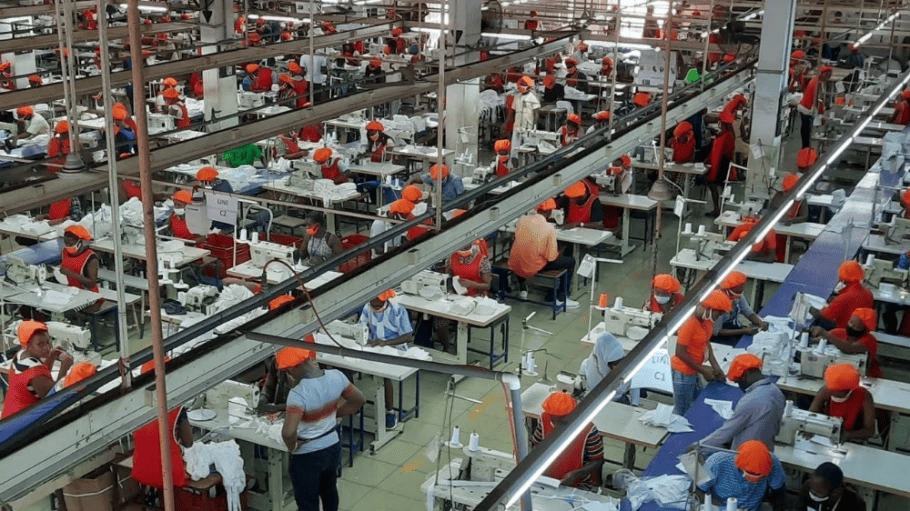
The Manufacturing sector, which accounts for 35 percent of the PPI weights, was the main driver of the overall decline in producer inflation. Inflation within the sector fell sharply from 2.5 percent in October 2025 to 0.5 percent in November 2025, shedding 2.0 percentage points within a single month.
This slowdown suggests that manufacturers are facing lower input costs or exercising tighter pricing strategies amid subdued demand. The easing of factory gate prices in manufacturing could support improved margins for downstream businesses while also creating room for more competitive pricing for consumers.
Transport and storage remain in deflation
The Transport and Storage sector continued its deflationary trend in November 2025. Producer inflation in the sector declined further from minus 8.8 percent in October to minus 9.0 percent in November. Persistent negative inflation in this sector indicates sustained reductions in service charges and logistics related costs.
Lower transport and storage prices are particularly significant for trade and commerce, as they directly influence distribution expenses across supply chains. The continued deflation may be linked to improved efficiencies, competitive pricing, or reduced fuel and operational costs.
In light of the latest inflation trends, the Ghana Statistical Service urged households and consumers to adopt intentional spending habits. The Service encouraged price comparisons, prioritisation of value for money, and the selection of suppliers that offer transparent and competitive pricing.
Consumers were also advised to stay informed about inflation developments and market trends. By leveraging available information, households can make smarter purchasing decisions that help protect their budgets during periods of economic adjustment.
Advice for businesses and policy direction for government
For businesses, the Ghana Statistical Service emphasised the need to reduce operational costs and improve efficiency. Recommendations included streamlining processes, eliminating waste, and strengthening productivity to ensure optimal use of resources.
Firms were encouraged to channel any cost savings into strategic growth initiatives such as upgrading tools, investing in workforce skills, and reinforcing supply chains to support long term competitiveness.
At the policy level, the Service called on government to prioritise high impact investments. It recommended targeting incentives toward firms that expand production capacity, adopt advanced technologies, and create new jobs. Such measures, according to the Service, could amplify the benefits of easing producer inflation and support sustainable economic growth.
The decline in Producer Price Inflation to 12.3 percent in November 2025 signals a period of moderation in cost pressures across key sectors of the economy. While challenges remain, especially within mining related activities, the broader trend suggests improving conditions for producers and consumers alike. If sustained, the easing of factory gate prices could provide a foundation for more stable pricing and stronger economic confidence in the months ahead.
READ ALSO:CalBank Rockets 7.4% as GSE Closes Higher Despite Sharp Drop in Turnover