The Bank of Ghana has announced a renewed and intensified campaign against unlicensed financial institutions operating across the country, warning that their continued activities pose a grave threat to the stability, integrity, and public confidence in Ghana’s financial system.
The central bank says it will deepen collaboration with key state agencies as part of a broader strategy to decisively clamp down on illegal financial operators whose activities have persisted despite earlier regulatory and enforcement actions.
Unlicensed financial institutions have long been a source of concern for regulators, policymakers, and consumers. These entities often operate outside the country’s regulatory framework, exposing unsuspecting customers to fraud, loss of savings, and other financial risks.
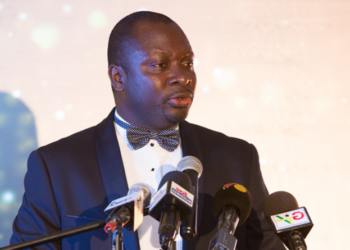
Speaking at a high-level stakeholder engagement, Second Deputy Governor of the Bank of Ghana, Mrs. Matilda Asante Asiedu, warned that the unchecked operations of illegal financial firms could undermine the trust and soundness of the financial system.
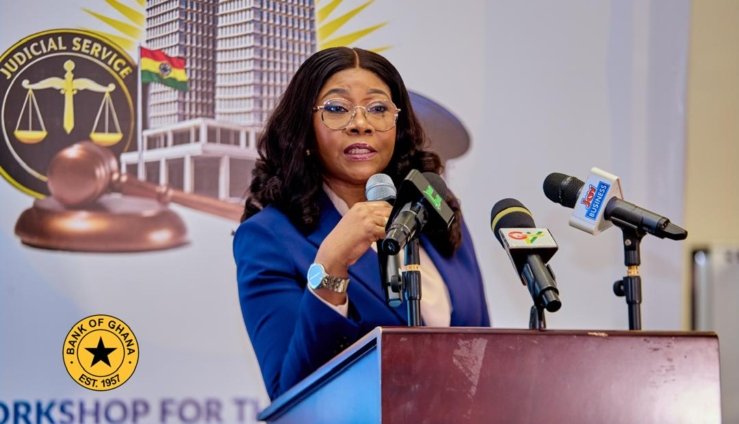
According to her, the resilience of Ghana’s financial sector depends largely on public confidence, strong regulation, and effective enforcement. The continued presence of unlicensed operators, she noted, threatens all three pillars.
Multi-Agency Collaboration Takes Centre Stage
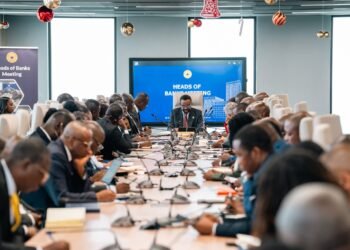
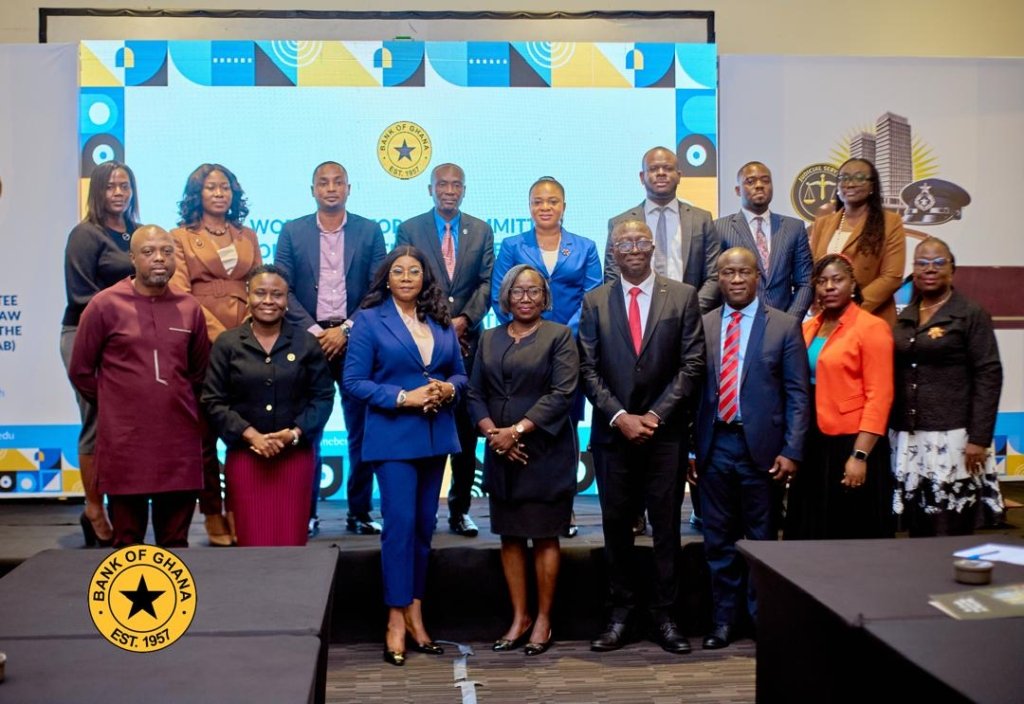
The stakeholder meeting brought together representatives from law enforcement agencies, the judiciary, the banking community, and members of the Coordinated Anti-Money Laundering and Counter Financing of Terrorism Committee, known as COCLAB.


Mrs. Asante Asiedu emphasized that tackling illegal financial activities requires a coordinated national response rather than isolated institutional efforts. She said the central bank is strengthening partnerships with agencies responsible for investigation, prosecution, and enforcement to ensure more decisive action against offenders.
The Bank of Ghana has already collaborated with institutions such as the Economic and Organised Crime Office in previous enforcement actions, leading to arrests and ongoing investigations into some unlicensed operations.
Existing Measures Prove Insufficient
Despite public warnings, regulatory notices, and enforcement actions, the central bank admits that current measures have not fully addressed the problem.
Mrs. Asante Asiedu acknowledged that illegal financial operators continue to adapt and re-emerge, often exploiting gaps in intelligence sharing and institutional coordination. She stressed that this reality has made it clear that new approaches are required.
According to her, the persistence of these operators calls for deeper intelligence sharing, stronger collaboration among state institutions, and a more proactive enforcement framework that targets both operators and facilitators of illegal financial activities.
The renewed crackdown will focus on three key areas. First is enhanced inter-agency collaboration to ensure that intelligence, evidence, and enforcement actions are well coordinated across institutions.
Second is intelligence-led enforcement. This approach will rely on timely data, surveillance, and information sharing to identify illegal operators early and disrupt their activities before they cause widespread harm.
Third is public education. The central bank plans to intensify consumer awareness campaigns to help the public identify licensed financial institutions and avoid falling victim to illegal schemes.
Mrs. Asante Asiedu noted that informed consumers are a critical line of defense against unlicensed operators, many of whom rely on misinformation and aggressive marketing tactics to lure clients.
Protecting Consumers and the Financial System
The Bank of Ghana has reiterated its call on the public to always verify the licensing status of financial institutions before engaging in any financial transactions. Consumers are encouraged to consult the central bank’s official list of licensed institutions or seek clarification directly from the regulator when in doubt.
Safeguarding depositors and investors, the central bank said, remains a top priority. Illegal financial institutions often operate without capital buffers, risk management systems, or consumer protection mechanisms, making losses more likely and recovery difficult.
The regulator warned that individuals who patronize unlicensed institutions do so at their own risk and may have limited legal recourse if funds are lost.
Mrs. Asante Asiedu described the COCLAB Technical Committee as uniquely positioned to lead a coordinated national response to illegal financial activities. Given its mandate and composition, the committee is expected to play a central role in aligning enforcement actions, policy responses, and intelligence sharing across agencies.
She stressed that protecting the integrity of Ghana’s financial system requires sustained commitment from all stakeholders, including regulators, law enforcement agencies, the judiciary, financial institutions, and the general public.
The Bank of Ghana’s renewed stance sends a clear signal to unlicensed financial operators that regulatory tolerance has run out. With stronger inter-agency cooperation and intelligence-led enforcement, the central bank says it is determined to close the loopholes that allow illegal operations to thrive.
As the crackdown intensifies, industry players and consumers alike are being urged to support efforts to promote transparency, compliance, and trust in Ghana’s financial system.
READ ALSO:GH¢192m Worth of Shares Traded in November As Bulls Tighten Grip on Ghana’s Capital Market