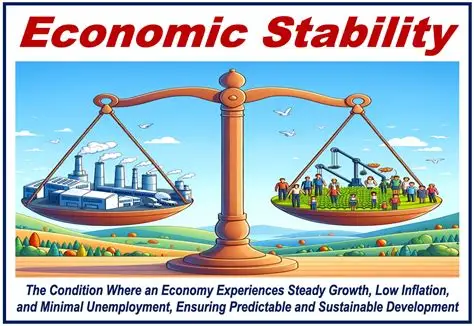
The Chief Executive Officer of Dalex Finance, Joe Jackson, has downplayed the miraculous act of Ghana’s economic turnaround, calling it a hard-earned stability, ignited and sustained by discipline.
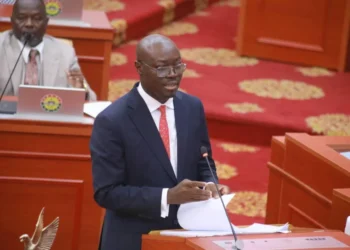
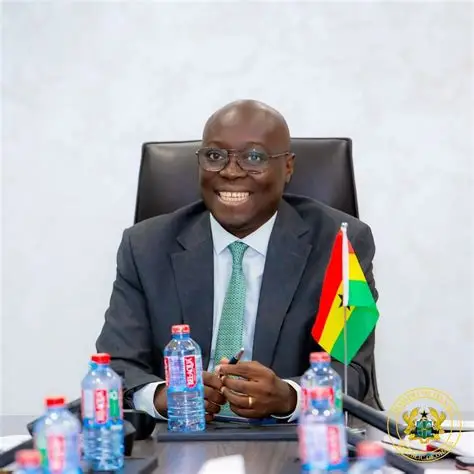
While analyzing the economic state of the Ghanaian economy for 2025, he noted that the Finance Minister, Dr Cassiel Ato Forson, and the Bank of Ghana Governor, Dr Johnson Asiama has been instrumental in this turnaround. He suggested that they should be celebrated for their sync, discipline, successful coexistence, and complementary role.
“Any improvement we [Ghana] have seen in this economy over this year, the things that have [been] shaped, you cannot take away the discipline that these gentlemen [Governor of Bank of Ghana and Finance Minister] have exercised and the balancing act that has taken us to where we are.”
Joe Jackson, Dalex Finance CEO
Discipline Over Populism
One of the mantras of the government since assuming office was affirming and reaffirming its discipline to pilot the economic fortunes of Ghana into growth and stability. In terms of his review, Mr Joe Jackson chose the Dr Asiama and Dr Forson as forerunners of the economic turnaround. He declared that “these two men have chosen discipline over populism.”

In avoiding populism, they have taken the hard steps of displaying immunity to party pressures. Mr Joe Jackson commended the government for instituting specific structural and legislative reforms designed to stabilize the economy and restore investor confidence.
He disclosed some specific commendable channels the government showed discipline, which have contributed to Ghana’s current path of recovery and economic resilience.
The government, true to its promise, downsized its ministries from 30 to 23, appointing a total of 60 ministers, including deputy ministers. This marks the smallest government configuration since the start of the Fourth Republic. According to the government, this move is to protect the public purse through reduced administrative costs and a new era of public service ethos.


The Public Financial Management Act, 2016 (Act 921), and the Public Procurement Act, 2003 (Act 663) has been amended to provide sanctions for fiscal mismanagement (possible censure for the Finance Minister and imprisonment for heads of entities), mandate an annual primary surplus of at least 1.5% of GDP, and establish an Independent Fiscal Council to monitor compliance.
The PFM Act and its accompanying Regulations are the primary legal instruments for regulating the public sector’s management of finances within a broad macroeconomic framework. The Public Procurement Act was enacted to provide a structured approach to public procurement in Ghana and aims to promote transparency, accountability, and fair competition in public procurement activities while ensuring efficiency in the use of state resources.

Mr Joe Jackson also noticed that the government has paid attention to revenue mobilization and collection in the country. The government has instituted new measures, including a payroll cleanup exercise projected to save GH₵300 million annually by eliminating “ghost names” and the integration of procurement and financial management systems to ensure contracts are only approved if they are within the budget.
A comprehensive debt restructuring process, plus a Memorandum of Understanding with the Official Creditor Committee to restructure power sector debts, aiming to stabilize the energy supply chain.
The government has also managed the IMF-supported program profitably, giving hope to the country and the international community of Ghana’s prosperous economic fortunes after May 2026, when the IMF program ends.
Many taxes that Ghanaians and professionals within the country agree are inefficient and burdensome to the people of Ghana have been abolished. These taxes, the government referred to as ‘nuisance taxes.’ They include the infamous E-Levy, Betting Tax, and COVID-19 Levy. Beyond this, the growth and sustainability levy on mining companies has been increased to ensure more revenue to the government for developmental projects.
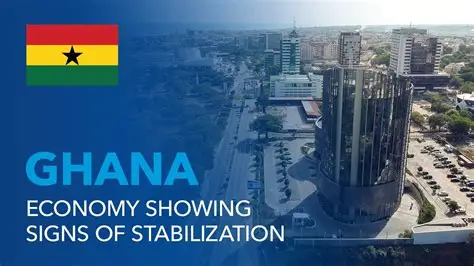
According to Mr Joe Jackson, prioritizing long-term macroeconomic stability, accountability, and sustainable growth, even if some measures entail short-term sacrifices or a departure from previous populist policies have fortified the fiscal discipline agenda.
‘Continuity-Consistency’ is Gold
While 2025 is commendable, he emphasized that continuing in the reset mindset by remaining disciplined and being consistent in principle, integrity, and policies is the way to go to cement gains and maintain stability.
He urged the government to continue to manage the pressure from party faithful and sponsors for the good of the country. Ghana’s inability to separate governance and economic well-being from the usual politics is the main obstacle to Ghana’s economic growth and development.
“Can you imagine the pressures that they are facing from their own party financiers who have a risk with this economy? Some 60 billion of our risk that is sitting there. Can you imagine the pressures from ministers? Pressures from without?”
Joe Jackson, Dalex Finance CEO
He declared that “all we have to now pray for is that this discipline that they have shown, this commitment that they have shown, should continue. There are other ministers, including the president, who all work together for us to achieve what we see now.”
READ ALSO: Tema Oil Refinery Roars Back to Life After Prolonged Shutdown