Tag: Public Procurement Act

  • CDD-Ghana Fellow Questions Leniency in NDA’s Procurement Scandal Convictions

    CDD-Ghana Fellow Questions Leniency in NDA’s Procurement Scandal Convictions

    CDD-Ghana Fellow and legal scholar Professor Stephen Kwaku Asare has questioned the decision to impose noncustodial sentences on four persons convicted of corruption-related offences in the Northern Development Authority (NDA) procurement case, arguing that the absence of financial loss should not automatically justify leniency.

    In a commentary published under his “GOGO’s Take” platform, Professor Asare maintained that deliberate attempts to manipulate public procurement processes undermine institutional integrity, even when investigators intervene before payments are made.

    He argued that sentencing should reflect the seriousness of the offences, deter similar conduct and reinforce accountability for public officials and their private-sector collaborators.

    “The criminal law protects more than the public purse. It also protects the integrity of public institutions and the trust citizens place in public officials.”

    CDD-Ghana Fellow Challenges Court’s Sentencing Decision

    The legal scholar’s criticism follows the conviction of four persons by a High Court in Tamale on October 23, 2026, for seven out of eleven counts involving procurement-related corruption and conspiracy.
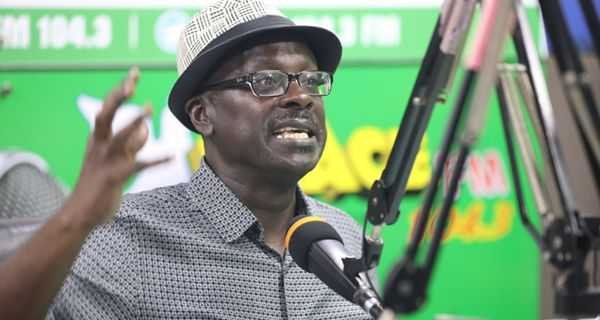
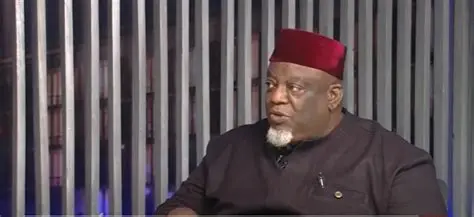
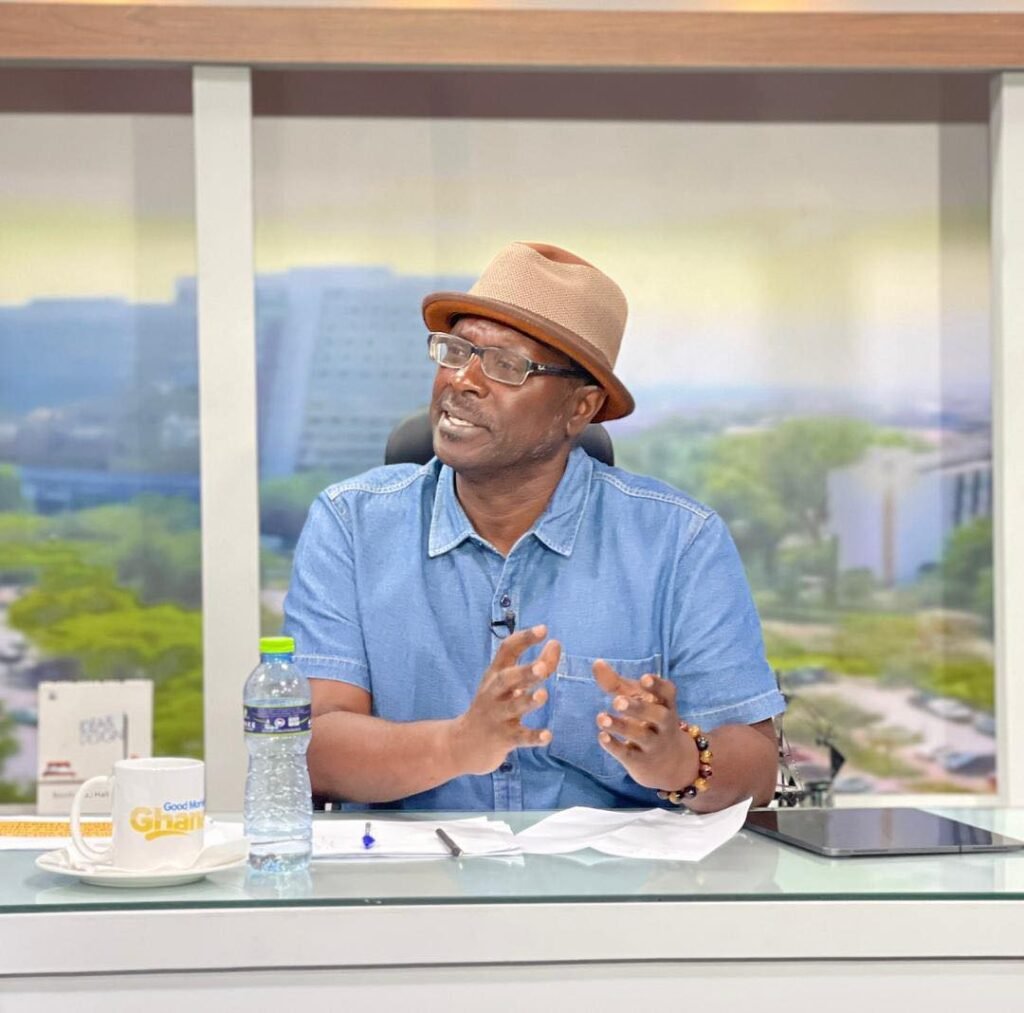
    CDD-Ghana Fellow and legal scholar, Professor Stephen Kwaku Asare
    CDD-Ghana Fellow and legal scholar, Professor Stephen Kwaku Asare

    The convicts are Sumaila Abdul-Rahman, former Chief Executive of the Northern Development Authority; Stephen Yir-Eru Engmen, former Deputy Chief Executive in charge of Operations; Patrick Seidu, former Deputy Chief Executive in charge of Finance and Administration; and Andrew Kuundaari, Chief Executive of A&QS Consortium Limited.

    The Office of the Special Prosecutor (OSP) prosecuted the case following investigations into a complaint filed by legal practitioner Martin Kpebu.

    The court imposed 1,000 penalty units for each count but declined to impose custodial sentences, citing the advanced ages of the convicts and the fact that the OSP’s intervention prevented unlawful payments, resulting in no financial loss to the Republic.

    Professor Asare, however, argued that the absence of financial loss does not necessarily diminish the seriousness of procurement offences. He maintained that the criminality lies not only in the loss of public funds but also in attempts to compromise the processes through which public resources are allocated.

    Procurement Law Recognises Seriousness of Offences

    Professor Asare cited Section 92 of the Public Procurement Act, 2003 (Act 663), as amended, arguing that Parliament had deliberately criminalised conduct intended to undermine fair and transparent procurement.

    According to his interpretation, the provision allows for a fine of up to 2,500 penalty units, imprisonment for up to five years, or both, where no other penalty is prescribed.

    He also highlighted Section 92(2), which criminalises conduct including collusion or attempted collusion to inflate tender prices, influencing or attempting to influence procurement processes to obtain an unfair advantage, and manipulating procurement documents.

    Professor Asare argued that these offences do not necessarily require a contract to be awarded, a payment to be made, financial loss to occur or an offender to obtain personal enrichment before criminal liability arises.

    Three out of the four convicted persons in the NDA Procurement scandal

    “Parliament criminalized the conduct because the integrity of public procurement deserves protection in its own right,” he argued. He maintained that procurement safeguards exist to protect competition, fairness, transparency, value for money and public confidence in the management of state resources.

    No Financial Loss Should Not Automatically Reduce Punishment

    The legal scholar distinguished between the absence of an aggravating factor and the presence of a mitigating factor, arguing that the two should not be treated as interchangeable in sentencing decisions.

    He acknowledged that actual financial loss could aggravate an offence but questioned why the absence of loss should substantially reduce punishment when the law criminalises the conduct itself.

    In his view, the central harm in procurement corruption is the deliberate compromise of a system intended to ensure that public spending is conducted fairly and transparently. “The offense is not necessarily stealing public money. It is corrupting the process by which public money is spent,” he stated.

    Professor Asare further argued that the OSP’s success in preventing unlawful payments should not automatically become a sentencing advantage for the convicts.

    He distinguished between offenders who voluntarily abandon criminal conduct and those whose actions are stopped by law enforcement, suggesting that the latter circumstance demonstrates the effectiveness of enforcement rather than reduced culpability.

    The intervention, he argued, prevented the financial consequences but did not erase the offences for which the individuals were convicted.
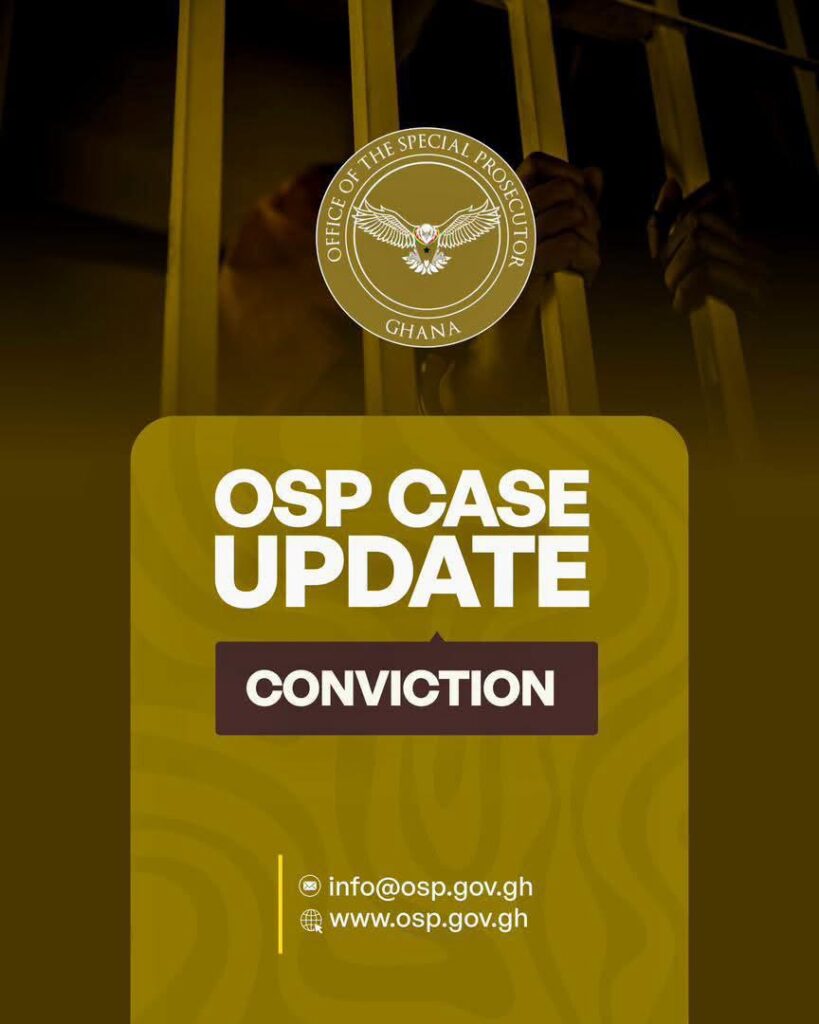
    Office of the Special Prosecutor's court update image
    Office of the Special Prosecutor’s court update image

    Advanced Age Is Not Immunity From Imprisonment

    Professor Asare also challenged the weight given to the convicts’ advanced ages, stressing that age should be considered alongside other circumstances rather than treated as an automatic reason to avoid imprisonment.

    He acknowledged that courts must consider factors such as age, health and frailty when determining appropriate sentences. However, he argued that senior public officials carry significant responsibilities because of the authority and experience associated with their positions.

    “Age may justify leniency, but it should not automatically outweigh the gravity of deliberate abuse of public trust,” he stated. He warned that relying too heavily on age could weaken the deterrent effect of criminal sanctions where public officials deliberately undermine procurement safeguards.

    CDD-Ghana Fellow Calls for Proportionate, Deterrent Sentencing

    Professor Asare maintained that custodial sentences can serve purposes that financial penalties alone may not achieve, including punishment, deterrence and reinforcing public accountability.

    He cautioned that if officials believe they face only fines whenever investigators prevent unlawful payments, deliberate procurement misconduct could become a calculated risk.

    However, Professor Asare acknowledged that not every technical procurement breach warrants imprisonment, stressing that sentences must remain individualised and proportionate to the offences committed.

    His central argument is that serious and deliberate procurement criminality may warrant custodial sentences even where no financial loss occurs and no personal enrichment is established.
    Professor Stephen Kwaku Asare
    Professor Stephen Kwaku Asare, CDD-Ghana Fellow

    Concluding his commentary, Professor Asare urged the public to recognise that the law protects institutional integrity as well as public finances. He argued that the successful prevention of financial loss should be celebrated without allowing the effectiveness of law enforcement to become a reason for overlooking the seriousness of the underlying criminal conduct.

    His intervention adds to public debate over how courts should balance mitigating circumstances against deterrence and accountability in corruption cases involving public procurement.

  • Attorney General to Appeal Sedina Tamakloe’s Acquittal at Supreme Court

    Attorney General to Appeal Sedina Tamakloe’s Acquittal at Supreme Court

    The Attorney-General has directed the Director of Public Prosecutions to immediately file a notice of appeal to the Supreme Court challenging the Court of Appeal’s decision to acquit former Microfinance and Small Loans Centre Chief Executive Officer Sedina Attionu Tamakloe of all 78 charges brought against her.

    The Attorney-General’s office confirmed the decision in a press release, stating that it remains confident the appeal before the Supreme Court will succeed, alongside an application for a stay of execution of the judgment pending determination of the case.

    The Attorney-General’s office moved swiftly after receiving notice of the Court of Appeal’s decision, which overturned Tamakloe’s original conviction and 10-year prison sentence.

    Seventy-Eight Counts Covering Multiple Offences

    According to the release, Tamakloe faced an extensive list of charges connected to her tenure at MASLOC, spanning financial crimes and procurement violations.

    Attorney General and Minister for Justice, Dr. Dominic Akuritinga Ayine
    Attorney General and Minister for Justice, Dr. Dominic Akuritinga Ayine

    “Ms. Tamakloe was charged with seventy-eight counts of various offences, including conspiracy to steal, stealing, conspiracy to cause financial loss to the State, causing financial loss to the State, causing loss to public property, improper payment of public funds, unauthorized commitments resulting in financial obligations to the Government, money laundering, and breaches of the Public Procurement Act.”

    OFFICE OF THE ATTORNEY-GENERAL & MINISTRY OF JUSTICE

    The original trial proceeded without Tamakloe present in court, with the High Court’s Financial Division 2 handling the case under a specific presiding judge.

    “She was tried and convicted in absentia by the High Court, Financial Division 2, presided over by Her Ladyship Justice Afia Serwaa Asare-Botwe, JA, sitting as an additional High Court Judge. Upon her conviction, she was sentenced to ten years’ imprisonment”.

    OFFICE OF THE ATTORNEY-GENERAL & MINISTRY OF JUSTICE

    This conviction and sentence remained in place until Tamakloe’s eventual extradition from the United States earlier this year, after which the Court of Appeal reviewed and ultimately overturned the High Court’s original decision.

    State Opposed the Appeal Before the Court of Appeal

    The Attorney-General’s office confirmed that prosecutors actively contested Tamakloe’s appeal at the Court of Appeal stage, submitting formal arguments defending the original conviction. “The Republic opposed the appeal by filing written submissions, contending that the appeal lacked merit and ought to be dismissed,” the statement said.

    Despite this opposition, the Court of Appeal ultimately ruled in Tamakloe’s favour, finding that the prosecution had failed to prove the charges against her beyond a reasonable doubt and ordering her full acquittal and discharge.

    Sedina Christine Tamakloe Attionu, former MASLOC Boss
    Sedina Christine Tamakloe Attionu, former MASLOC Boss

    Notice of Appeal Filed to Supreme Court

    Following the Court of Appeal’s ruling, the Attorney-General moved immediately to escalate the matter to Ghana’s highest court, instructing the Director of Public Prosecutions to initiate the appeal process without delay.

    “Having received notice of the Court of Appeal’s decision, the Attorney-General has directed the Director of Public Prosecutions to immediately file a notice of appeal to the Supreme Court, together with an application for a stay of execution of the judgment pending the determination of the appeal”.

    OFFICE OF THE ATTORNEY-GENERAL & MINISTRY OF JUSTICE

    The request for a stay of execution indicates that the Attorney-General’s office is seeking to prevent the Court of Appeal’s acquittal from taking full legal effect while the Supreme Court reviews the case, a procedural step that could have significant implications for Tamakloe’s legal status during the appeal process.

    Attorney General Expresses Confidence in Supreme Court Appeal

    The statement closed with a firm expression of confidence from the Attorney-General’s office regarding the eventual outcome of the Supreme Court appeal, framing the decision to appeal as consistent with the office’s broader commitment to due process.

    Tamakloe’s case has followed an unusually complex legal trajectory, beginning with her conviction in absentia in April 2024, followed by her arrest by US Marshals in January 2026 pursuant to Ghana’s extradition request, her physical return to Ghana in June 2026, and her subsequent acquittal by the Court of Appeal on July 30, 2026.

    The Attorney-General’s decision to appeal this acquittal marks the next chapter in a case that has already spanned more than two years and crossed international borders.

    With the notice of appeal now filed, the case moves to Ghana’s Supreme Court, where justices will need to determine whether the Court of Appeal’s decision to acquit Tamakloe on all 78 counts should stand or be reversed.

    The accompanying application for a stay of execution suggests the Attorney-General’s office is seeking to preserve the legal status quo, potentially preventing Tamakloe’s acquittal from becoming final while the Supreme Court reviews the underlying evidence and legal reasoning behind the Court of Appeal’s ruling.

    Supreme Court of Ghana
    Supreme Court of Ghana

    A High-Profile Test of Ghana’s Appellate System

    The case has already drawn significant public attention given Tamakloe’s former position at a state-affiliated financial institution and the scale of charges originally brought against her.

    Her acquittal, followed swiftly by the Attorney-General’s decision to escalate the matter to the Supreme Court, positions this case as a notable test of how Ghana’s appellate courts handle complex financial crime prosecutions involving former public officials, particularly where convictions were originally secured in the accused person’s absence.

    As the Supreme Court prepares to take up the matter, both the prosecution and Tamakloe’s legal team are likely to present extensive arguments regarding the sufficiency of evidence presented during the original trial, with the court’s eventual ruling expected to carry significant implications for how similar in absentia prosecutions are handled in Ghana going forward.

  • Ato Forson Unveils Reforms to Cut Procurement Timelines, Curb Single-Sourcing

    Ato Forson Unveils Reforms to Cut Procurement Timelines, Curb Single-Sourcing

    Finance Minister Dr Cassiel Ato Forson has announced sweeping reforms to Ghana’s public procurement system while presenting the 2026 Mid-Year Budget Review to Parliament on Thursday, July 23, 2026, outlining measures designed to shorten procurement timelines, restrict single-source contracts and tighten rules governing restricted tendering.

    Dr Ato Forson told Parliament that the government intends to pursue reforms across three distinct areas of public procurement, each aimed at addressing longstanding inefficiencies and vulnerabilities within the system.

    “Government is proposing further reforms to public procurement in three different areas. First, the first reform is shortening procurement lead times. The second reform is to limit the use of single-source procurement, and the third is to tighten restricted tendering”.

    Finance Minister Dr Cassiel Ato Forson

    Addressing the first of these reforms, Dr Ato Forson detailed specific reductions to the lead times currently governing national and international competitive tendering processes. “Government will shorten procurement timelines. The lead time for national competitive tendering for goods will be reduced from 23 weeks to eight weeks,” he said.

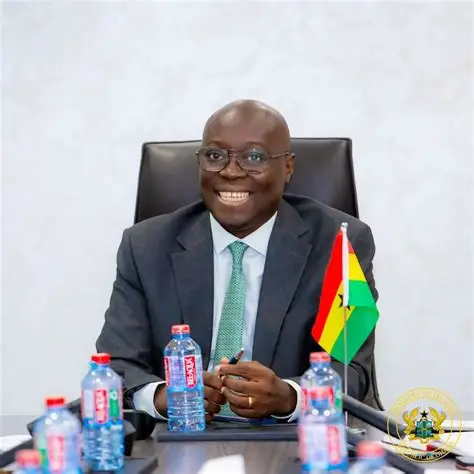
    Ghana’s Minister for Finance, Dr. Cassiel Ato Forson
    Ghana’s Minister for Finance, Dr. Cassiel Ato Forson

    He extended this commitment to international competitive tendering for works, announcing a similarly substantial reduction in processing time. “International competitive tendering for works will be reduced from 27 weeks to 14 weeks,” he said.

    Competitive Tendering to Remain the Standard Practice

    Dr Ato Forson emphasised that the government intends to preserve competitive tendering as the primary method for public procurement, with restricted tendering and single-source procurement treated strictly as exceptions rather than standard practice.

    “Competitive tendering must remain the norm. Restricted tendering and single-source procurement must be the exception. Government will therefore tighten the rules governing these exceptional procurement methods, strengthen oversight and improve accountability to ensure greater transparency and better value for money”.

    Finance Minister Dr Cassiel Ato Forson

    Single-Source Procurement Restricted to Genuine Emergencies

    Turning to the specific conditions under which single-source procurement would remain permissible, Dr Ato Forson outlined a narrow set of circumstances under which the government would allow this exceptional method to be used.

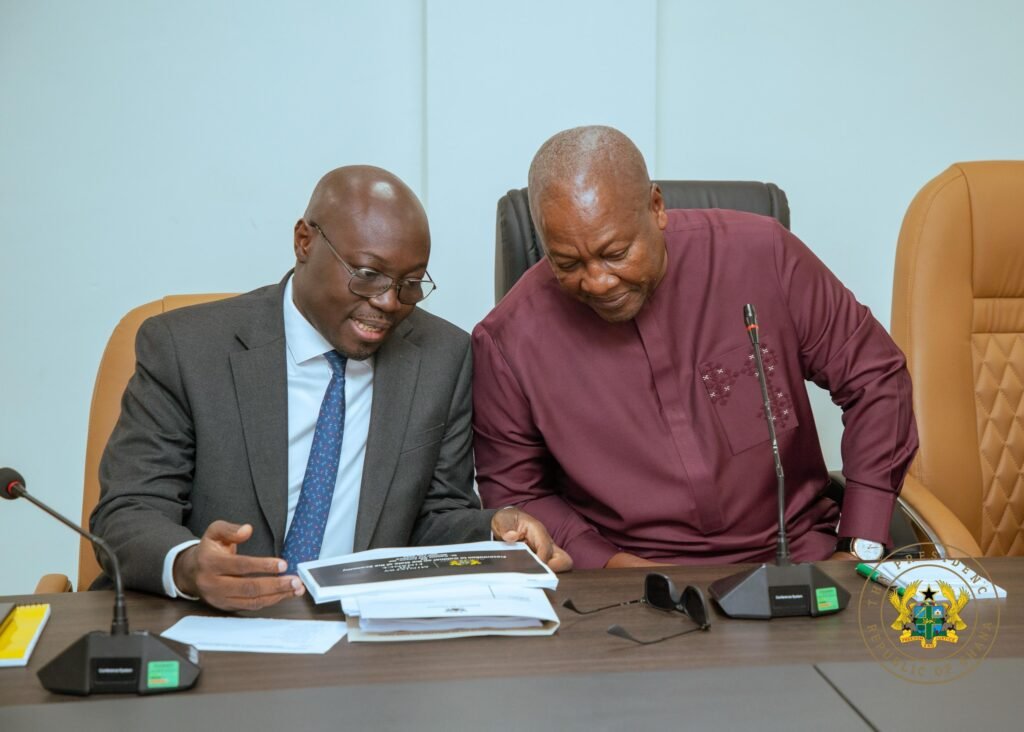
    President John Dramani Mahama (R) and Finance Minister Dr Cassiel Ato Forson (L)
    President John Dramani Mahama (R) and Finance Minister Dr Cassiel Ato Forson (L)

    “Single-source procurement will be permitted only in genuine exceptional circumstances such as emergencies, national security or where only one supplier is capable of delivering the required goods, works and services”.

    Finance Minister Dr Cassiel Ato Forson

    He was careful to draw a clear distinction between legitimate emergencies and situations arising from administrative failures, making clear that poor planning would no longer qualify as sufficient justification for bypassing competitive procurement. “Urgency arising from poor planning will no longer be treated as an emergency,” he said.

    New Sanctions for Procurement Act Violations

    To reinforce these reforms, Dr Ato Forson announced that government would introduce sanctions targeting approvals granted in breach of the Public Procurement Act, adding a layer of accountability aimed at deterring improper use of exceptional procurement methods.

    Dr Ato Forson framed the combined package of reforms as measures capable of producing tangible improvements across Ghana’s public procurement landscape, from faster project execution to reduced opportunities for abuse within the system.

    Minister for Finance, Dr. Cassiel Ato Forson
    Minister for Finance, Dr. Cassiel Ato Forson

    The procurement reforms announced during the 2026 Mid-Year Budget Review reflect the government’s broader effort to strengthen fiscal discipline and improve transparency across public spending, an area that has drawn sustained scrutiny amid Ghana’s ongoing economic recovery efforts.

    By significantly compressing procurement timelines while simultaneously tightening the exceptions that allow government to bypass competitive tendering, the reforms suggest an attempt to balance faster project delivery with stronger safeguards against procurement abuse.

    Whether these changes translate into measurable improvements in how efficiently and transparently government executes public contracts will likely become clearer as the reforms take effect in the coming months, particularly as government continues to navigate the broader fiscal pressures shaping this year’s budget review.

  • Asantehene Demands Bold Policy To Revive Textile Sector

    Asantehene Demands Bold Policy To Revive Textile Sector

    In a powerful call for national industrial sovereignty, the Asantehene, Otumfuo Osei Tutu II, has challenged the state to move beyond rhetoric and implement a “buy Ghana” procurement policy that treats the textile, garment, and apparel industry as a primary engine of economic growth.

    Speaking at a National Dialogue organized by the Association of Ghana Apparel Manufacturers (AGAM) in Kumasi, the Asantehene – represented by Nana Addae Gyamera I, Feyiasehene – asserted that Ghana’s rich cultural heritage must be transformed into a strategic economic asset.

    This was a demand for a fundamental shift in the nation’s procurement logic, positioning locally manufactured goods as “emblems of national excellence” rather than substitutes of necessity.

    “A nation cannot aspire to industrial greatness while neglecting industries that possess the power to employ its people, preserve its heritage, and stimulate domestic production. We must stop viewing locally manufactured products as substitutes of necessity and begin recognising them as emblems of national excellence and economic patriotism”

    Asantehene, Otumfuo Osei Tutu II

    For the Asantehene, despite the nation’s status as a beacon of artistic sophistication and textile excellence, the continuous importation of apparel that could be produced locally is viewed as a direct contradiction to industrial greatness.

    The call for the enforcement of the Public Procurement Act and the Ghana Industrial Transformation Agenda was a direct charge for policymakers to use the state’s massive purchasing power to create an unbreakable demand floor for local manufacturers. 

    Association of Ghana Apparel Manufacturers

    The goal is to strengthen local manufacturing capacity, reduce a crippling dependence on imports, and stabilize the national identity through economic patriotism, especially since the economic significance of the apparel sector lies in its immense capacity for vertical integration and labor absorption.

    The textile and apparel value chain is unique in its ability to empower thousands of skilled and semi-skilled citizens simultaneously. From the cotton farmers in the fields to the weavers, designers, factory workers, and exporters, a single garment factory can act as a catalyst for hundreds of direct and indirect jobs.

    In an era where unemployment remains a critical challenge, the Asantehene’s vision for “culture-driven industrialisation” offers a sustainable pathway for empowering women and supporting a new generation of entrepreneurs. However, this industrial transformation requires more than just procurement; it requires a fortified environment.

    The Asantehene called for a multi-front assault on the barriers currently stifling local producers, including counterfeit imports and unfair trade practices, demanding stronger enforcement against these illicit activities to sanitize the market for legitimate producers.

    AfCFTA and the Continental Ambition

    The direction of this industrial push is not limited to domestic consumption; it is aimed at continental dominance through the African Continental Free Trade Area (AfCFTA). The Asantehene highlighted the AfCFTA as a critical opportunity for Ghanaian businesses, including small-scale garment producers, to access larger markets across Africa and beyond.

    For Ghana to transition from a consumer of global textiles to a major exporter, local producers must meet global standards and quality expectations. This requires a deliberate investment in industrial infrastructure and skills development – turning the “strong artisanal base” of Kumasi and beyond into a sophisticated manufacturing force.

    Asantehene, Otumfuo Osei Tutu II

    This continental ambition is anchored in the belief that culture in Asanteman and wider Ghana is a strategic economic asset. Kumasi, described as a stronghold of heritage, is positioned as the logical epicenter for this textile revival.

    The Asantehene’s call for journalists and advocacy institutions to champion the buy Ghana agenda reflects a need for a total societal mobilization. Industrialization, in this context, is not just a government project; it is a cultural movement that seeks to restore national pride by ensuring that the clothes Ghanaians wear are products of their own labor and ingenuity.

    “For decades, Ghana has stood as a beacon of textile excellence and artistic sophistication. Our cultural identity can become a powerful tool for economic prosperity if properly harnessed. No country has achieved industrial transformation by continuously importing products it had the capacity to produce locally”

    Asantehene, Otumfuo Osei Tutu II

    The Asantehene’s speech served as a firm reminder to stakeholders that the frameworks for this transformation – the Public Procurement Act and the Ghana Industrial Transformation Agenda – already exist. The failure, therefore, is one of enforcement and intentionality.

    He demanded an end to the era of performative support for local industry, urging policymakers to “move beyond rhetoric.” The National Dialogue held in Kumasi must result in concrete implementation strategies that prioritize local manufacturers in every state contract for garments and textiles.

    The goal is a self-reliant economy in which the textile industry serves as a major driver of prosperity, harnessing the “identity, philosophy, prestige and national pride” embedded in Ghanaian fabrics to build a globally competitive industry that reduces unemployment and strengthens the local manufacturing sector.

    Asantehene, Otumfuo Osei Tutu II

    The Asantehene’s commitment to culture-driven industrialization provides a clear roadmap for sustainable economic transformation: protect the domestic market, empower the local value chain, and export Ghanaian excellence to the world.

  • President Mahama Demands Full Report on Big Push Contracts

    President Mahama Demands Full Report on Big Push Contracts

    President John Dramani Mahama has directed a full review of procurement processes under the government’s Big Push programme, following concerns raised in an investigative exposé.

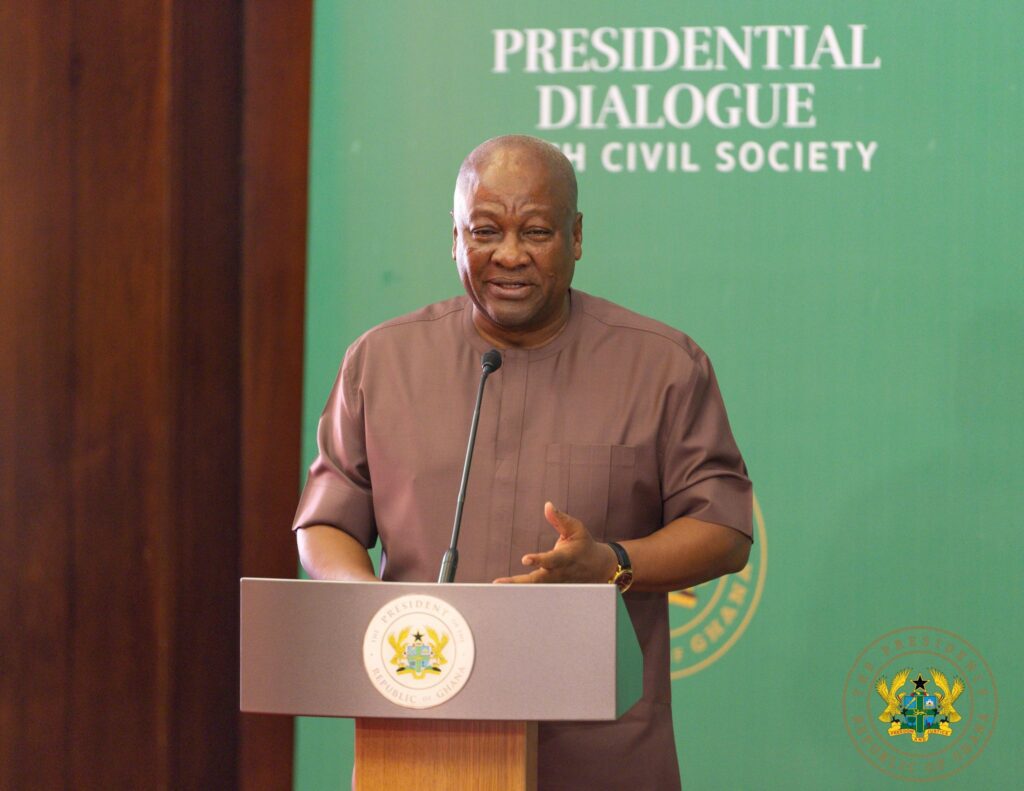
    Speaking at the Presidential Dialogue with Civil Society Organisations at the Jubilee House, the President emphasized the need for transparency and accountability in public spending.

    His intervention signals a renewed focus on procurement reforms, particularly regarding the use of sole sourcing in awarding government contracts. The President indicated that while the practice is legally permitted under existing laws, it must be applied cautiously and with clear justification.

    President of Ghana, HE John Dramani Mahama
    President of Ghana, HE John Dramani Mahama

    Addressing participants at the forum, President Mahama revealed that his office has formally requested the complete report from The Fourth Estate, whose investigation has sparked public debate. According to him, only a detailed examination of the findings will enable government to take informed and appropriate action.

    “Although we have seen snippets of the investigation from the media, I have instructed my office to obtain the full detailed report from the Fourth Estate and to conduct a study of the various allegations presented in the report”

    President John Dramani Mahama

    In addition to seeking the report, the President has instructed the Ministry of Roads and Highways to submit a comprehensive response addressing the issues raised. This dual approach, combining independent analysis with institutional accountability, is expected to shape the government’s next steps.

    Renewed Push for Procurement Reforms

    The controversy surrounding the Big Push programme has reignited discussions about procurement practices in Ghana. President Mahama used the platform to outline his administration’s intention to amend the Public Procurement Act, with a specific focus on limiting the use of single sourcing.

    He acknowledged that while sole sourcing is permissible under certain conditions, it often raises concerns about value for money and competitive pricing. “Open, transparent tenders are always preferable,” he stated, underscoring the importance of competition in achieving efficiency in public spending.

    Some CSOs leaders at the Presidential Dialogue

    The proposed amendments aim to tighten the conditions under which sole sourcing can be applied, thereby reducing opportunities for misuse. The President noted that these reforms would be developed in consultation with civil society groups, ensuring that diverse perspectives are incorporated into the legislative process.

    A key component of the reform agenda is the establishment of an Independent Value for Money Office. President Mahama disclosed that he has tasked the Ministry of Finance to accelerate the process of setting up the institution.

    The proposed office is expected to play a central role in evaluating procurement decisions, particularly those involving single source contracts. Under the new framework, all such procurements will be subjected to rigorous value for money assessments before approval.

    This move reflects a broader effort to strengthen oversight mechanisms and ensure that public funds are used efficiently. By introducing an additional layer of scrutiny, the government aims to restore public confidence in procurement processes and reduce the risk of inflated contract costs.

    Balancing Legality and Accountability

    President Mahama’s remarks highlight the delicate balance between legal compliance and public accountability. While existing laws provide for sole sourcing under specific circumstances, the President made it clear that legality alone is not sufficient justification.

    Ministers at the Presidential Dialogue with CSOs

    He reiterated his belief that single sourcing should be used sparingly, emphasizing that its overuse can undermine transparency and public trust. The current situation, he suggested, presents an opportunity to reassess existing practices and implement reforms that align with best governance standards.

    The engagement with civil society groups also reflects a commitment to participatory governance. By inviting input from non-state actors, the government aims to build consensus around the proposed changes and ensure that they address the concerns of citizens.

    The Big Push programme, which focuses on infrastructure development, represents a significant component of the government’s economic strategy. As such, any concerns regarding procurement processes have far reaching implications for public confidence and fiscal management.

    President Mahama’s decision to seek a full report and demand accountability from the Roads Ministry underscores the importance of safeguarding public resources. It also signals a proactive approach to addressing allegations before they escalate into broader governance challenges.

    President of Ghana, HE John Dramani Mahama

    As the review process unfolds, attention will be on the government’s ability to translate its commitments into concrete actions. The proposed amendments to procurement laws and the establishment of the Value for Money Office are expected to define the next phase of reforms.

    For now, the President’s message is clear: transparency, accountability, and value for money must remain at the core of public procurement. The outcome of this process will likely shape not only the future of the Big Push programme but also the broader framework for managing public resources in Ghana.

  • All Big Push Contracts Follow Procurement Law – Roads Minister

    All Big Push Contracts Follow Procurement Law – Roads Minister

    The Minister for Roads and Highways, Kwame Governs Agbodza, has firmly defended the procurement processes under the government’s flagship infrastructure initiative, stating that all contracts awarded under the Big Push programme fully comply with Ghana’s procurement laws.

    Addressing Parliament, the minister dismissed allegations of irregularities, insisting that due process was strictly followed in line with the Public Procurement Act and its accompanying regulations.

    “Let me state unequivocally that all contracts awarded under the programme were done in strict adherence to the Public Procurement Act and its accompanying regulations”.

    Minister for Roads and Highways, Kwame Governs Agbodza

    His remarks come amid growing public debate and scrutiny over the scale, cost, and contracting processes associated with the ambitious nationwide infrastructure drive.

    Mr Agbodza stressed that the Ministry remains one of the most scrutinised government institutions, with frequent parliamentary questions and committee engagements on issues ranging from project costs to timelines. He welcomed this level of oversight, describing it as essential for ensuring accountability.

    “All contractual information is publicly available and on the Ministry’s website,” he told lawmakers, encouraging citizens to actively monitor projects within their communities and provide feedback.

    Hon. Governs Kwamen Agbodza, Roads and Highways Minister

    He added that transparency remains central to the programme’s implementation, noting that the Ministry has responded promptly to requests for information from civil society and online platforms.

    Addressing Allegations of Procurement Irregularities

    Responding to claims of a procurement scandal, the minister rejected suggestions that contracts were improperly awarded. He described such assertions as false and misleading, emphasising that the programme incorporates both competitive tendering and justified sole sourcing where necessary.

    He clarified that only a portion of contracts were sole sourced, while the majority were awarded through competitive processes. In addition, he noted that several projects cited in public criticism were not new contracts but inherited from the previous administration.

    “These projects were novated and revived under Big Push to give them new life and ensure completion,” he explained, citing examples such as the Suame Interchange and key highway corridors.

    The minister further explained that some projects were divided into multiple lots to accelerate delivery and allow more contractors to participate. This approach, he said, is a standard industry practice aimed at improving efficiency rather than duplicating contracts.

    Cost Concerns and Value for Money

    On concerns about inflated costs, Mr Agbodza argued that such claims often rely on oversimplified comparisons that fail to consider project complexity. He noted that road construction costs vary depending on factors such as terrain, engineering requirements, and the inclusion of interchanges and bridges.

    President Mahama @BigPush
    President John Dramani Mahama at the sod cutting ceremony for the Takoradi-Cape Coast Dual Carriageway Project @BigPush 2

    “All projects underwent thorough Value for Money analysis before approval,” he stated, adding that payments are strictly tied to certified work completed on site. He emphasised that cost control measures and monitoring systems are in place to ensure that public funds are used efficiently throughout the implementation process.

    The Big Push Infrastructure Programme, launched in 2025 under President John Dramani Mahama, is designed to address long standing challenges in Ghana’s road network while boosting economic productivity.

    The initiative focuses on repairing critical roads, upgrading major transport corridors, and reducing the cost of doing business across all regions. According to the minister, Parliament has so far approved nearly GHS 50 billion for the multi year programme, reflecting broad political support for the initiative.

    He noted that more than 2000 kilometres of roads are currently undergoing rehabilitation and expansion across all sixteen regions of the country. The programme also prioritises the involvement of Ghanaian contractors and workers, with the aim of strengthening local capacity within the construction sector and creating employment opportunities.

    Urgency Driven by Public Demand

    The minister acknowledged that the deteriorating condition of roads had become a major concern for citizens prior to the 2024 elections. He said the government’s decision to act with urgency reflects a direct response to public demand for improved infrastructure.

    According to him, delays in project execution would not only increase costs but also prolong the economic and safety challenges associated with poor road networks. “The objective is timely delivery to Ghanaians,” he noted, stressing that urgency should not be mistaken for recklessness.

    A significant component of the Big Push programme involves the revival of previously stalled or abandoned projects. The minister revealed that 23 such projects, valued at over GHS 14 billion, have been absorbed into the initiative and provided with dedicated funding.

    President John Dramani Mahama and Hon. Governs Kwamen Agbodza, Roads and Highways Minister Inspect Ofanko-Nsawam Road Construction

    These projects, originally awarded under the previous administration, had been halted due to financial constraints. By integrating them into the Big Push framework, the government aims to ensure their completion while maximising the value of earlier investments.

    The broader programme also includes the development of twelve major economic corridors, referred to as the “12 disciples,” which have been broken into multiple lots to enhance competition and speed up execution.

    Commitment to Accountability and Delivery

    Mr Agbodza concluded by reaffirming his commitment to delivering the programme with integrity, transparency, and efficiency. He assured Parliament that the Ministry remains focused on meeting its mandate while maintaining high standards of accountability.

    He also reiterated the importance of continued parliamentary oversight and public engagement in ensuring the success of the initiative.

    As implementation progresses, the Big Push Infrastructure Programme is expected to play a central role in improving connectivity, reducing transport costs, and supporting economic growth across Ghana.

  • Gov’t has Wrought Economic Stability Through Discipline – Joe Jackson

    Gov’t has Wrought Economic Stability Through Discipline – Joe Jackson

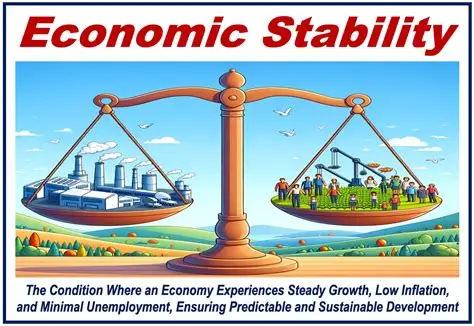
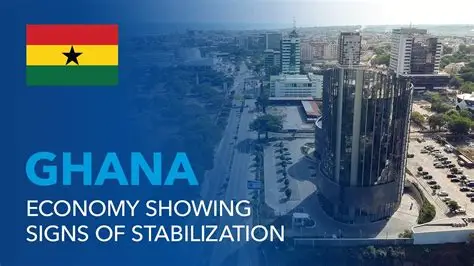
    The Chief Executive Officer of Dalex Finance, Joe Jackson, has downplayed the miraculous act of Ghana’s economic turnaround, calling it a hard-earned stability, ignited and sustained by discipline.

    While analyzing the economic state of the Ghanaian economy for 2025, he noted that the Finance Minister, Dr Cassiel Ato Forson, and the Bank of Ghana Governor, Dr Johnson Asiama has been instrumental in this turnaround. He suggested that they should be celebrated for their sync, discipline, successful coexistence, and complementary role.

    “Any improvement we [Ghana] have seen in this economy over this year, the things that have [been] shaped, you cannot take away the discipline that these gentlemen [Governor of Bank of Ghana and Finance Minister] have exercised and the balancing act that has taken us to where we are.”

    Joe Jackson, Dalex Finance CEO

    Discipline Over Populism

    One of the mantras of the government since assuming office was affirming and reaffirming its discipline to pilot the economic fortunes of Ghana into growth and stability. In terms of his review, Mr Joe Jackson chose the Dr Asiama and Dr Forson as forerunners of the economic turnaround. He declared that “these two men have chosen discipline over populism.”

    Joe Jackson, Dalex Finance CEO

    In avoiding populism, they have taken the hard steps of displaying immunity to party pressures. Mr Joe Jackson commended the government for instituting specific structural and legislative reforms designed to stabilize the economy and restore investor confidence.

    He disclosed some specific commendable channels the government showed discipline, which have contributed to Ghana’s current path of recovery and economic resilience.

    The government, true to its promise, downsized its ministries from 30 to 23, appointing a total of 60 ministers, including deputy ministers. This marks the smallest government configuration since the start of the Fourth Republic. According to the government, this move is to protect the public purse through reduced administrative costs and a new era of public service ethos.

    Dr Cassiel Ato Forson, Finance Minister

    The Public Financial Management Act, 2016 (Act 921), and the Public Procurement Act, 2003 (Act 663) has been amended to provide sanctions for fiscal mismanagement (possible censure for the Finance Minister and imprisonment for heads of entities), mandate an annual primary surplus of at least 1.5% of GDP, and establish an Independent Fiscal Council to monitor compliance.

    The PFM Act and its accompanying Regulations are the primary legal instruments for regulating the public sector’s management of finances within a broad macroeconomic framework. The Public Procurement Act was enacted to provide a structured approach to public procurement in Ghana and aims to promote transparency, accountability, and fair competition in public procurement activities while ensuring efficiency in the use of state resources.

    Dr Johnson Asiama, Governor of Bank of Ghana

    Mr Joe Jackson also noticed that the government has paid attention to revenue mobilization and collection in the country. The government has instituted new measures, including a payroll cleanup exercise projected to save GH₵300 million annually by eliminating “ghost names” and the integration of procurement and financial management systems to ensure contracts are only approved if they are within the budget.

    A comprehensive debt restructuring process, plus a Memorandum of Understanding with the Official Creditor Committee to restructure power sector debts, aiming to stabilize the energy supply chain.

    The government has also managed the IMF-supported program profitably, giving hope to the country and the international community of Ghana’s prosperous economic fortunes after May 2026, when the IMF program ends.

    Many taxes that Ghanaians and professionals within the country agree are inefficient and burdensome to the people of Ghana have been abolished. These taxes, the government referred to as ‘nuisance taxes.’ They include the infamous E-Levy, Betting Tax, and COVID-19 Levy. Beyond this, the growth and sustainability levy on mining companies has been increased to ensure more revenue to the government for developmental projects.

    According to Mr Joe Jackson, prioritizing long-term macroeconomic stability, accountability, and sustainable growth, even if some measures entail short-term sacrifices or a departure from previous populist policies have fortified the fiscal discipline agenda.

    ‘Continuity-Consistency’ is Gold

    While 2025 is commendable, he emphasized that continuing in the reset mindset by remaining disciplined and being consistent in principle, integrity, and policies is the way to go to cement gains and maintain stability.

    He urged the government to continue to manage the pressure from party faithful and sponsors for the good of the country. Ghana’s inability to separate governance and economic well-being from the usual politics is the main obstacle to Ghana’s economic growth and development.

    “Can you imagine the pressures that they are facing from their own party financiers who have a risk with this economy? Some 60 billion of our risk that is sitting there. Can you imagine the pressures from ministers? Pressures from without?”

    Joe Jackson, Dalex Finance CEO

    He declared that “all we have to now pray for is that this discipline that they have shown, this commitment that they have shown, should continue. There are other ministers, including the president, who all work together for us to achieve what we see now.”

  • Mahama Pushes Tougher Procurement, Audit Reforms to Curb Public Sector Leakages

    Mahama Pushes Tougher Procurement, Audit Reforms to Curb Public Sector Leakages

    President John Dramani Mahama has outlined a new wave of public financial management reforms aimed at sealing systemic leakages in Ghana’s procurement and audit systems, warning that without stricter controls, African economies will continue to lose millions to inflated contracts and weak oversight.

    Speaking at the Annual Conference of the African Association of Accountants General in Accra, the President said procurement reform, value-for-money auditing, and strengthened internal audit systems are now central pillars of Ghana’s fiscal reset.

    Building on his earlier remarks about Ghana’s recent journey from debt distress to fiscal discipline, President Mahama said the next critical step in the country’s recovery involves confronting deep-seated weaknesses in procurement processes.

    “We are also amending the Public Procurement Act in order to reduce the amount of sole sourcing that is done,” he told participants, stressing that limiting uncompetitive procurement is essential for saving public funds.

    He described procurement as “one of the biggest sources of leakages in public financial management,” noting that inflated pricing remains a persistent problem.

    President John Dramani Mahama

    “The private sector goes and procures something, and government goes and procures the same thing at ten times the price,” he said. According to him, such distortions erode public trust, weaken fiscal stability, and create opportunities for corruption. Tightening procurement rules, he emphasized, is therefore not optional but fundamental to responsible governance.

    Establishing Value for Money Office

    In addition to the amendments, President Mahama announced the introduction of a value-for-money (VFM) audit system that will require all major government contracts to undergo independent scrutiny before public funds are committed.

    “Parliament is going to pass a VFM bill so that any procurement that is above a certain amount must go for value for money audits before expenditure can take place”.

    President John Dramani Mahama

    The measure, he explained, is designed to prevent inflated costing and ensure that government only pays fair and justifiable prices for goods and services. The President linked this reform to broader legal safeguards aimed at preventing reckless expenditure and unsustainable borrowing.

    He restated his administration’s commitment to legislating strict debt ceilings to ensure that future Finance Ministers cannot plunge the nation into another debt accumulation crisis. This, he argued, is a vital safeguard for long-term national stability.

    President John Dramani Mahama

    Internal Audit Reforms

    President Mahama then shifted to another structural weakness he believes Africa must confront: the ineffectiveness of internal audit systems.

    He noted that Ghana has two key audit institutions — the Internal Audit Agency and the Auditor-General’s Department — but questioned why the internal audits conducted within ministries, departments, and agencies fail to detect or prevent the violations that later appear in the Auditor-General’s annual reports.

    “The Auditor General waits at the end of every year, he audits all state enterprises, and he comes out with either misappropriation of funds or wrongful procurement procedures.

    “But the question I ask myself is, in every department, we have an internal auditor. How is it that the internal audit process does not work effectively so that at the end of the year, the Auditor General’s Department comes in with a whole list of malfeasance that has taken place in public organisations?”

    President John Dramani Mahama

    President Mahama called for urgent reforms to ensure that internal audits function as the first line of defence against financial irregularities, rather than a mere procedural formality. “There is something that we must look at,” he said. “How do we strengthen internal audits so that we don’t, at the end of every year, have that long litany of misappropriation?”

    His comments resonated strongly with the role of the African Association of Accountants General, whose offices are responsible for enforcing expenditure controls, monitoring fiscal operations, and ensuring the integrity of public accounts.

    President John Dramani Mahama
    President John Dramani Mahama

    By highlighting procurement corruption and audit weaknesses — problems shared across many African public sectors — President Mahama underscored the need for coordinated reforms to secure the continent’s economic future.

    The President’s focus on procurement and internal audit reforms forms part of his broader agenda to institutionalize discipline in Ghana’s public financial management systems after years of fiscal laxity.

    He expressed hope that Ghana’s experience will stimulate deeper dialogue among African countries and spark continent-wide reforms capable of reducing waste, curbing corruption, and reinforcing accountability across all levels of government.

  • Ghana Crippled by No Jobs: ‘Own Businesses’ to the Rescue

    Ghana Crippled by No Jobs: ‘Own Businesses’ to the Rescue

    The risk of no jobs and idleness of the youth in Ghana still hits hard in social, physical, psychological, and mental conversations, as many professionals suggest ‘own businesses’ as the country’s salvation.

    Unemployment has always been an issue in Ghana, and it appears to be worsening as the years unfold. Successive governments have ridden on the promise to create jobs for the youth, but it remains a dream. The foremost challenge of the economy has been the idleness of its most significant and abundant resources.

    The recent incident at the military recruitments reflects the tension and desperation of the youth. Year-on-year, graduates are added to the job searching pool, while just a few get the opportunity to be absorbed into the government sector. All eyes remain on the government to provide jobs for the graduates, but the promises seem not to materialise.

    “Unemployment is a result of overreliance on the government to create jobs for everyone.”

    Dr Abdul-Rashid Pelpuo, Minister for Labour, Jobs and Employment

    The Government is Expected to Create Jobs

    Ghanaians may have gotten it wrong in expecting the government to expand the government sector to employ more people. The government spends a chunk of its allocated resources for a financial year on employee compensation, leaving limited funds for capital investment.

    Between 2010 and 2023, public sector wages, debt interest payments, and statutory transfers together accounted for approximately 70% of government spending. In the 2024 Budget Statement, compensation of employees (public sector wages) is accounted for roughly 28.1% of the total government expenditure for the financial year, i.e. GH¢63.7 billion.

    In the 2025 Budget, a projected amount of GH¢76.6 billion was earmarked for employee compensation, which accounted for about 40 percent of the government’s domestic revenue. The government in the 2026 Budget has estimated GH¢90.8 billion to spend on employee compensation, which is estimated to be 5.7 percent of GDP and approximately 30 percent of total expected spending in 2026, i.e. GH¢302.5 billion.

    The employee compensation includes wages, salaries, pensions, gratuities, and social security contributions. While the 2025 Budget allocation to employee compensation covered a base pay increase of 10 percent for public sector workers, the 2026 allocation covers a 9 percent base pay increase.

    This situation harms the economy because the resources that are supposed to be directed to the productive sectors to engineer growth are directed to the public sector workers, of whom most do not contribute to productivity, and are characterised by a lot of wastage. Increasing jobs in the government sector may not be the way forward for the country.

    Ghanaians who are of the view that the government is to create an enabling and conducive environment for the private sector to expand, create more jobs, and absorb the graduates at home and those coming out of school may be right.

    Preferences of Ghanaians

    According to the 2024 Afrobarometer survey report, 61 percent of Ghanaians between the ages of 18-35 years responded that they would rather create their own business than be employed by an entity. 65 percent of Ghanaians between 36 and 45 years also share the same preference for owning their own business rather than working for an entity. Only 20 percent on average for these two groups showed interest in public sector jobs.

    The government must channel its resources and efforts into creating the right environment for the 63 percent, on average, of Ghanaians between the ages of 18 and 45 years who want to own their own businesses.

    Business owners today tell the story of how challenging owning a business in Ghana is, mainly due to the unpredictability and instability of the economy.

    With the current stability of the macroeconomic indicators and confidence in the economy, the next few months should reflect the growth and achievements of the Ghanaian economy to assist Ghanaians who own businesses to thrive, while serving as incentives for more Ghanaians to join the entrepreneurial sector.

    Government Procurements Retards Job Growth
    Government procurements in recent times have raised a lot of eyebrows, with a significant portion going contrary to the Public Procurement Act. A scan through the years reveals that government procurements have disadvantaged the economy and promoted leakages and wastage.

    Most of the government procurements do not stimulate growth in the private sector or promote competitiveness in the sector. This, professionals believe, is an epidemic that citizens and experts should be talking about.

    When the government spends right, the right changes are seen and all benefit.

  • Ato Forson Outlines Key Expenditure Measures in 2025 Budget

    Ato Forson Outlines Key Expenditure Measures in 2025 Budget

    Ghana’s Minister of Finance and Member of Parliament for Ajumako Enyan Essiam, Dr. Cassiel Ato Forson, has announced a set of significant expenditure measures in the 2025 Budget.

    These measures, according to the Minister, aimed at strengthening fiscal discipline, enhancing efficiency in public spending, and ensuring effective fiscal consolidation. 

    The measures, when implemented in the 2025 fiscal year and beyond, are expected to help stabilize Ghana’s economy and optimize resource allocation.

    “We will conduct a comprehensive audit to validate the quantum of arrears/payables and commitments as at 31st December 2024 before payment; the mandatory use of the ‘Blanket Purchase Order’ ‘to capture multi-year commitments/contracts in line with Medium Term Expenditure Framework ceilings;”

    Dr Cassiel Ato Forson,Ghana’s Minister of Finance

    The 2025 Budget also includes amendments to the Public Procurement Act to enhance value-for-money assessments in government procurements. 

    One major change is the establishment of an Independent Value-for-Money Office, which will scrutinize procurements exceeding a threshold to be determined by Parliament. This move is intended to prevent inflated contract pricing and improve efficiency in public spending.

    Furthermore, the Public Procurement Act will be amended to ensure that commencement certificates and budgetary provisions become prerequisites for all central government procurements. 

    This, according to the Finance Minister, will prevent the government from engaging in projects without secured funding, reducing the risk of arrears accumulation.

    To enhance efficiency and transparency, the Finance Minister indicated that the government will fully integrate the Ghana Electronic Procurement System (GHANEPS) with the Ghana Integrated Financial Management Information System (GIFMIS). 

    This integration will ensure that only Ministries, Departments, and Agencies (MDAs) projects and purchase orders with approved budgets and allotments can receive procurement approvals.

    The Finance Minister further disclosed that a Compliance Desk will be operationalized at the Ministry of Finance to monitor and report on commitments and arrears accumulation. 

    Additionally, a Public Financial Management (PFM) League Table will be introduced to rank compliance levels across government entities, promoting greater adherence to fiscal rules.

    Here, Dr Forson stressed that strict enforcement of sanctions under sections 96 to 98 of the Public Financial Management Act (PFM Act) will also be pursued, particularly for breaches related to arrears accumulation and commitment control.

    Cutting Wasteful Expenditure

    Moreover, the Minister of Finance indicated that as part of the fiscal consolidation program, the government will eliminate inefficient and duplicative programs that contribute to unnecessary expenditures. 

    “In this regard, selected expenditure items including the GhanaCARES, the YouStart and the One District One Factory will be eliminated;”

    Dr Cassiel Ato Forson,Ghana’s Minister of Finance

    Additionally, Dr Forson indicated that the functions of the Development Authorities—Coastal Development Authority (CODA), Northern Development Authority (NDA), and Middle Belt Development Authority (MBDA)—will be reassigned to District Assemblies. 

    This restructuring, according to Dr Forson, aims to decentralize decision-making and improve the efficiency of development programs at the local level.

    In addition, the government proposed key amendments to the Petroleum Revenue Management Act, 2011 (Act 815) to ensure that Annual Budget Funding Amount (ABFA) resources are allocated entirely for infrastructure projects.

    Also, the National Health Insurance Levy (NHIL) and the Road Fund will receive full allocations under the Earmarked Funds Capping and Realignment Act, 2017 (Act 947). These measures aim to strengthen the financing of critical sectors such as healthcare and road infrastructure.

    To optimize the management of Ghana’s natural resource revenues, Dr Forson indicated that the government will reduce the Ghana National Petroleum Corporation’s (GNPC) share of net Carried and Participating Interest (CAPI) from 30% to 15% while restoring transfers to GNPC under the Earmarked Funds Capping and Realignment Act. 

    Dr Cassiel Ato Forson,Ghana’s Minister of Finance
    Dr Cassiel Ato Forson,Ghana’s Minister of Finance

    Similarly, amendments to the Mineral Income and Investment Fund (MIIF) Act will ensure that 80% of mineral royalties maintained by MIIF are transferred to the Consolidated Fund for infrastructure development.

    Strengthening Social Protection

    A major highlight of the 2025 Budget is the strengthening of social protection programs to cushion vulnerable populations. 

    The government will introduce several new social intervention initiatives, including: the No-Academic-Fee Policy – in which first-year students in public tertiary institutions will not be required to pay academic fees under the ‘No-Fees-Stress’ initiative.

    He stressed the NDC’s administration’s commitment to the implementation of the Free Tertiary Education for Persons with Disabilities (PWDs)  to promote inclusivity; PWDs will benefit from full tuition-free tertiary education.

    Other social protection announced by Dr  Forson include the rollout of the Free Primary Healthcare –a new initiative to provide universal primary healthcare access to all citizens and Ghana Medical Care Trust (MahamaCares) – a healthcare financing initiative to ensure sustainable funding for essential medical services.

    The Free Sanitary Pads for Schoolgirls initiative, according to Dr Forson, will provide free sanitary pads to schoolgirls, addressing menstrual hygiene challenges and improving school attendance among girls.

    Dr. Cassiel Ato Forson’s expenditure measures in the 2025 Budget signal a strong commitment to fiscal prudence, enhanced efficiency, and social welfare. 

    By implementing rigorous expenditure controls, strengthening public financial management, and enhancing social protection initiatives, the government aims to achieve sustainable economic stability and inclusive development.