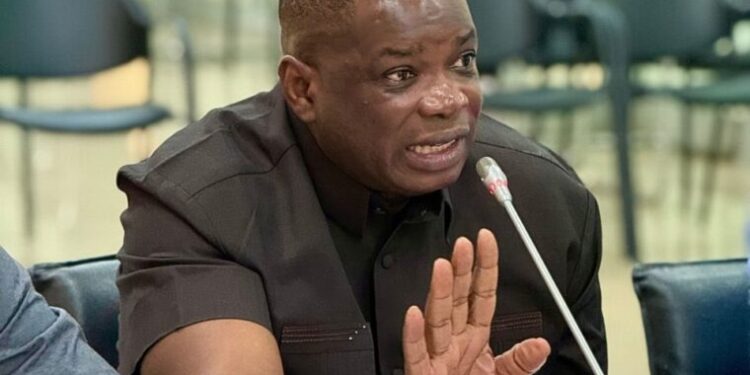
The Minister for Roads and Highways, Kwame Governs Agbodza, has firmly defended the procurement processes under the government’s flagship infrastructure initiative, stating that all contracts awarded under the Big Push programme fully comply with Ghana’s procurement laws.
Addressing Parliament, the minister dismissed allegations of irregularities, insisting that due process was strictly followed in line with the Public Procurement Act and its accompanying regulations.
“Let me state unequivocally that all contracts awarded under the programme were done in strict adherence to the Public Procurement Act and its accompanying regulations”.
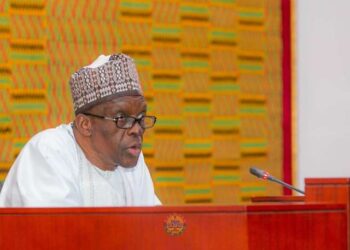
Minister for Roads and Highways, Kwame Governs Agbodza
His remarks come amid growing public debate and scrutiny over the scale, cost, and contracting processes associated with the ambitious nationwide infrastructure drive.
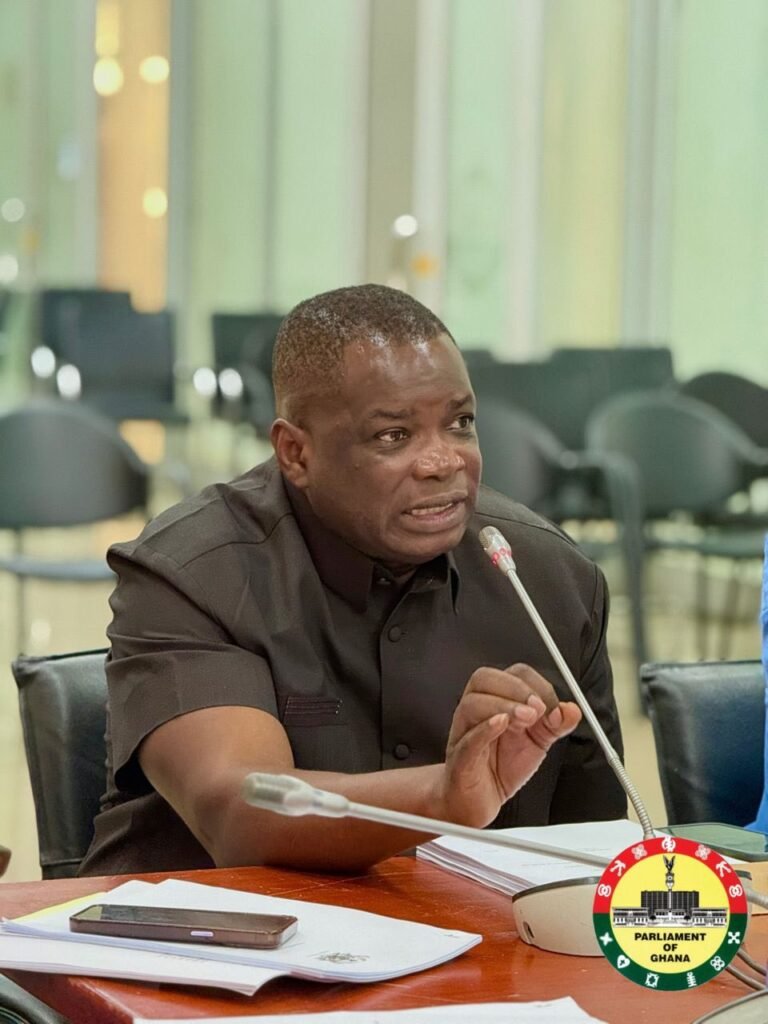
Mr Agbodza stressed that the Ministry remains one of the most scrutinised government institutions, with frequent parliamentary questions and committee engagements on issues ranging from project costs to timelines. He welcomed this level of oversight, describing it as essential for ensuring accountability.
“All contractual information is publicly available and on the Ministry’s website,” he told lawmakers, encouraging citizens to actively monitor projects within their communities and provide feedback.
He added that transparency remains central to the programme’s implementation, noting that the Ministry has responded promptly to requests for information from civil society and online platforms.
Addressing Allegations of Procurement Irregularities
Responding to claims of a procurement scandal, the minister rejected suggestions that contracts were improperly awarded. He described such assertions as false and misleading, emphasising that the programme incorporates both competitive tendering and justified sole sourcing where necessary.
He clarified that only a portion of contracts were sole sourced, while the majority were awarded through competitive processes. In addition, he noted that several projects cited in public criticism were not new contracts but inherited from the previous administration.
“These projects were novated and revived under Big Push to give them new life and ensure completion,” he explained, citing examples such as the Suame Interchange and key highway corridors.
The minister further explained that some projects were divided into multiple lots to accelerate delivery and allow more contractors to participate. This approach, he said, is a standard industry practice aimed at improving efficiency rather than duplicating contracts.
Cost Concerns and Value for Money
On concerns about inflated costs, Mr Agbodza argued that such claims often rely on oversimplified comparisons that fail to consider project complexity. He noted that road construction costs vary depending on factors such as terrain, engineering requirements, and the inclusion of interchanges and bridges.
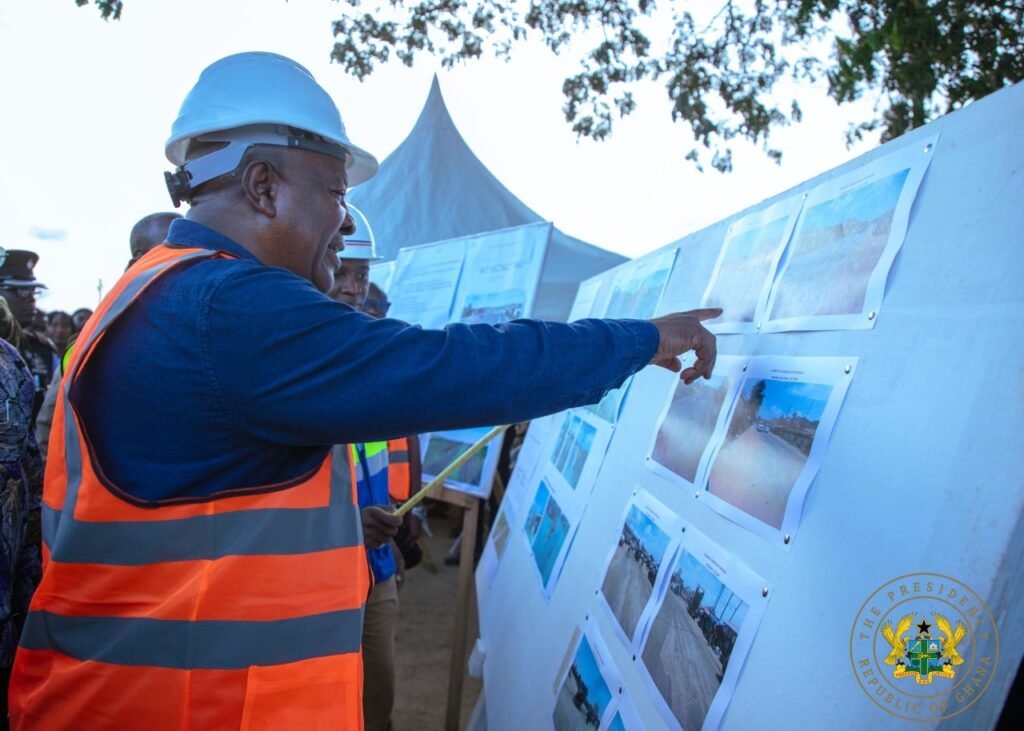
“All projects underwent thorough Value for Money analysis before approval,” he stated, adding that payments are strictly tied to certified work completed on site. He emphasised that cost control measures and monitoring systems are in place to ensure that public funds are used efficiently throughout the implementation process.
The Big Push Infrastructure Programme, launched in 2025 under President John Dramani Mahama, is designed to address long standing challenges in Ghana’s road network while boosting economic productivity.
The initiative focuses on repairing critical roads, upgrading major transport corridors, and reducing the cost of doing business across all regions. According to the minister, Parliament has so far approved nearly GHS 50 billion for the multi year programme, reflecting broad political support for the initiative.
He noted that more than 2000 kilometres of roads are currently undergoing rehabilitation and expansion across all sixteen regions of the country. The programme also prioritises the involvement of Ghanaian contractors and workers, with the aim of strengthening local capacity within the construction sector and creating employment opportunities.
Urgency Driven by Public Demand
The minister acknowledged that the deteriorating condition of roads had become a major concern for citizens prior to the 2024 elections. He said the government’s decision to act with urgency reflects a direct response to public demand for improved infrastructure.
According to him, delays in project execution would not only increase costs but also prolong the economic and safety challenges associated with poor road networks. “The objective is timely delivery to Ghanaians,” he noted, stressing that urgency should not be mistaken for recklessness.
A significant component of the Big Push programme involves the revival of previously stalled or abandoned projects. The minister revealed that 23 such projects, valued at over GHS 14 billion, have been absorbed into the initiative and provided with dedicated funding.
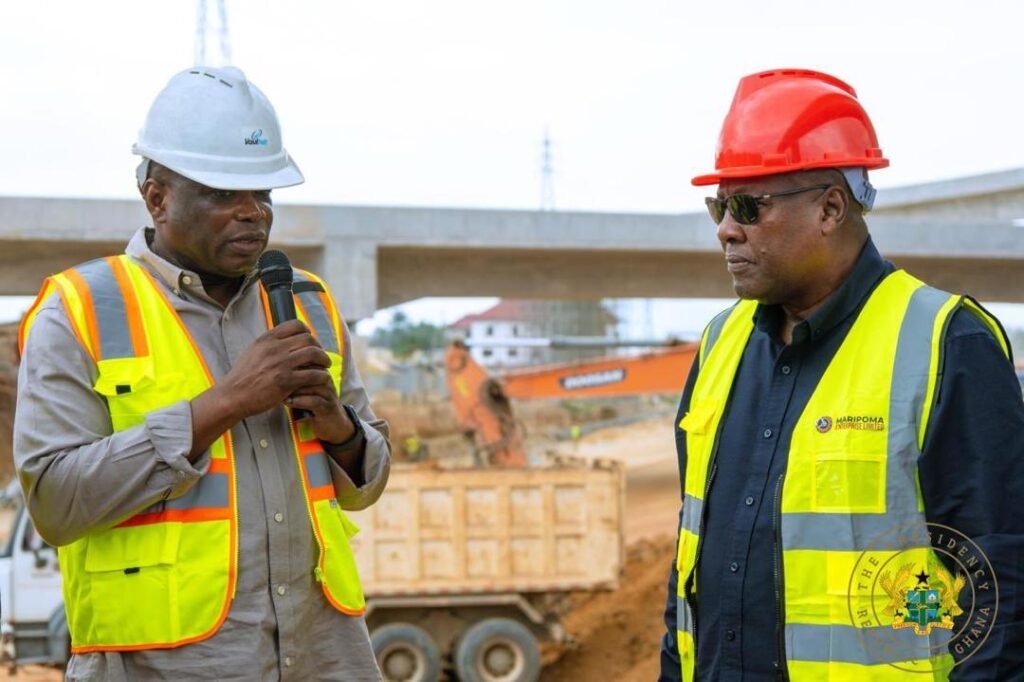
These projects, originally awarded under the previous administration, had been halted due to financial constraints. By integrating them into the Big Push framework, the government aims to ensure their completion while maximising the value of earlier investments.
The broader programme also includes the development of twelve major economic corridors, referred to as the “12 disciples,” which have been broken into multiple lots to enhance competition and speed up execution.
Commitment to Accountability and Delivery
Mr Agbodza concluded by reaffirming his commitment to delivering the programme with integrity, transparency, and efficiency. He assured Parliament that the Ministry remains focused on meeting its mandate while maintaining high standards of accountability.
He also reiterated the importance of continued parliamentary oversight and public engagement in ensuring the success of the initiative.
As implementation progresses, the Big Push Infrastructure Programme is expected to play a central role in improving connectivity, reducing transport costs, and supporting economic growth across Ghana.
READ ALSO: BoG Applauds New Women-Focused Banking Revolution