
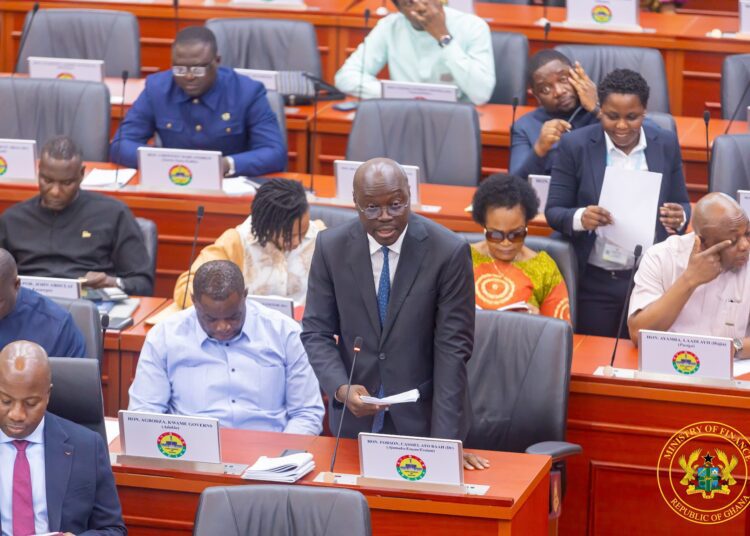
Ghana’s Ministry of Finance has moved to clarify the rationale behind the newly approved Value for Money Office, describing it as a critical safeguard against inflated public contracts and inefficient spending.
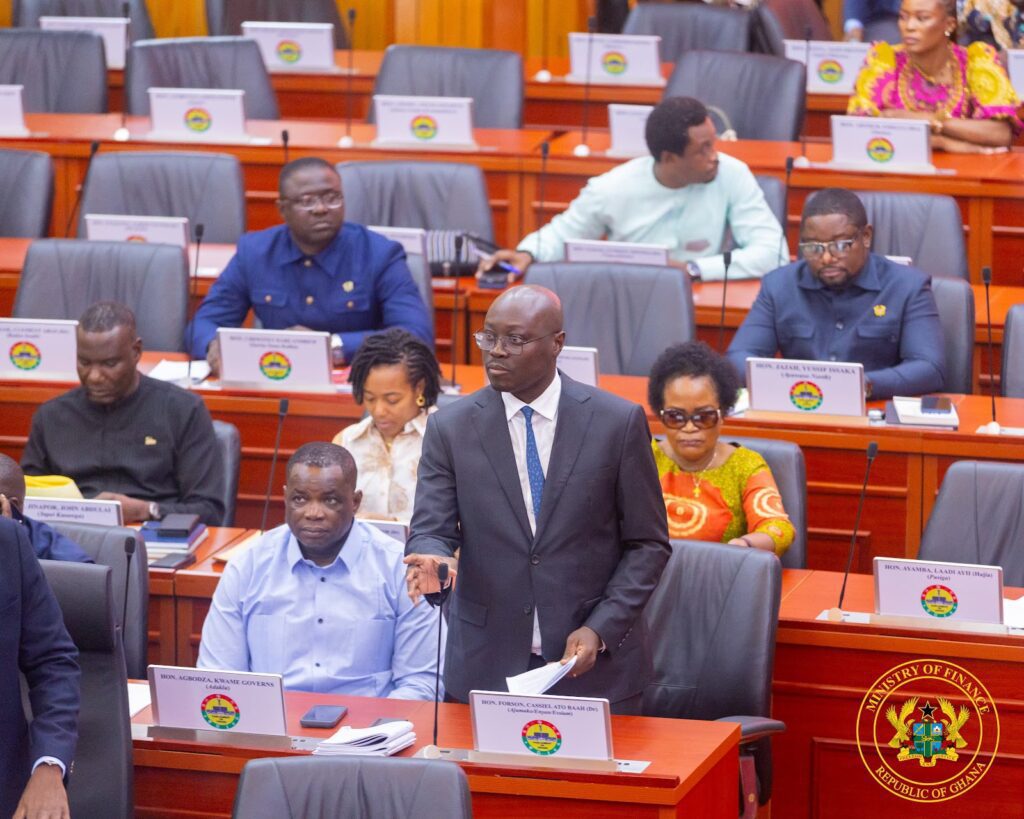
The clarification follows the passage of the Value for Money Office Bill 2026 by Parliament, a move that establishes an independent body to strengthen oversight across government expenditure.
The legislation, introduced by Cassiel Ato Forson, is intended to embed efficiency, transparency, and accountability into the management of public funds.
According to the Ministry, the creation of the office addresses longstanding gaps in Ghana’s public financial management system, particularly in the evaluation of large scale infrastructure projects.
Officials insist that the new institution is not a duplication of existing structures but a necessary complement to them. It is designed to ensure that beyond following procurement procedures, government projects deliver real value to taxpayers.
Procurement Compliance Versus Real Value
At the centre of the Ministry’s argument is the distinction between procurement compliance and value for money. The Public Procurement Authority is mandated to ensure that procurement processes are followed according to the law.
However, it does not assess whether projects are cost-effective, technically sound, or sustainable over time. The Ministry emphasized that compliance alone does not guarantee value.
A project may meet all procedural requirements and still be overpriced, poorly designed, or inefficiently executed. This gap, officials argue, has contributed to persistent challenges such as cost overruns and stalled infrastructure projects.
By introducing a dedicated Value for Money Office, the government aims to bridge this gap and ensure that public spending is subjected to deeper scrutiny beyond administrative procedures.
The Ministry highlighted that Ghana’s current public financial management framework requires value for money assessments primarily for sole-sourced contracts.
This limited scope leaves many projects without comprehensive evaluation, particularly those funded through competitive bidding, public-private partnerships, state-owned enterprises, or internally generated funds.
The new office is expected to extend value for money assurance across all types of public projects, regardless of procurement method or funding source. This broader mandate is intended to eliminate inconsistencies and ensure uniform standards in project evaluation.
Officials argue that without such an institution, significant gaps remain in the system, allowing inefficiencies and inflated costs to persist unchecked.
Preventing Cost Inflation and Budget Overruns
A key justification for the new office is its role in preventing inflated pricing and controlling budget overruns. The Ministry noted that Ghana currently lacks a central mechanism to benchmark project costs or detect inflated bills of quantities.
This oversight gap has widened in recent years, particularly following the exit of external cost monitoring institutions. As a result, the government has faced ongoing challenges in managing project costs and ensuring financial discipline.
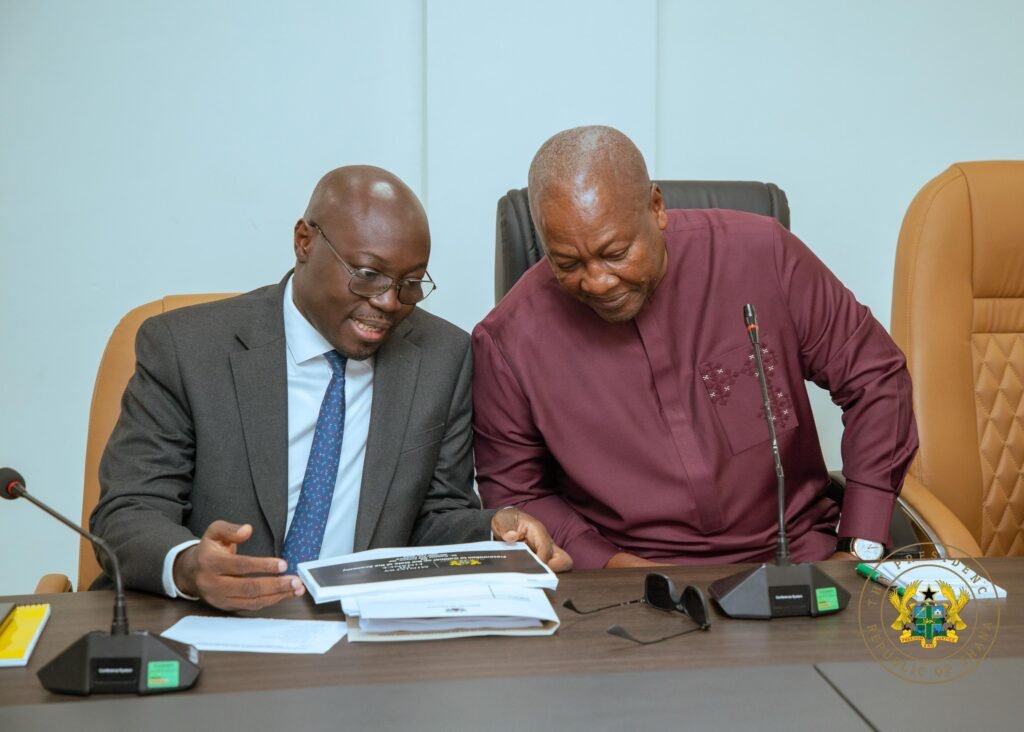
The Value for Money Office is expected to provide a structured approach to cost analysis, enabling early detection of pricing anomalies and reducing the likelihood of unjustified contract variations. Officials believe this will significantly improve the efficiency of public investment.
Unlike existing institutions, the new office will bring together technical experts including engineers, quantity surveyors, cost analysts, and project auditors. These professionals will assess projects at every stage, from initial design and procurement to implementation and completion.
The Ministry stressed that such technical capacity is currently not available within the Public Procurement Authority or the Ministry itself. This limitation has historically weakened the government’s ability to evaluate the true value of projects.
By providing continuous oversight throughout the project lifecycle, the office aims to ensure that public investments deliver durable and cost effective outcomes.
Ensuring Independent and Transparent Oversight
Another core feature of the Value for Money Office is its independence. The Ministry explained that separating procurement oversight from technical and financial evaluation helps eliminate conflicts of interest and promotes objective assessment.
While the Public Procurement Authority will continue to regulate procurement processes, the new office will focus exclusively on evaluating value. This dual structure is intended to enhance transparency and accountability in public spending.
The ministry described the office as a “firewall” that protects taxpayers from inflated contracts and inefficient use of resources. By introducing an additional layer of scrutiny, the government hopes to rebuild public confidence in the management of national finances.

The Ministry also pointed to international examples to justify the establishment of the office. Countries such as the United Kingdom, Singapore, and the United States maintain independent bodies dedicated to value for money assessments and project assurance.
These institutions play a critical role in ensuring fiscal discipline and minimizing waste in public expenditure. By adopting a similar approach, Ghana aims to strengthen its financial governance framework and align with global standards.
Officials believe that this alignment will not only improve efficiency but also enhance investor confidence and support long term economic stability.
Why Amending Procurement Laws Is Not Enough
Addressing suggestions that the Public Procurement Authority’s mandate could simply be expanded, the Ministry argued that legislative amendments alone would not achieve the desired outcomes.
The PPA’s core function is to regulate procurement procedures, not to evaluate costs, technical feasibility, or project performance. Expanding its mandate without the necessary expertise and institutional structure would not provide effective value for money assurance.
The Ministry maintained that a specialized institution is required to perform these complex functions, reinforcing the need for the newly established office.
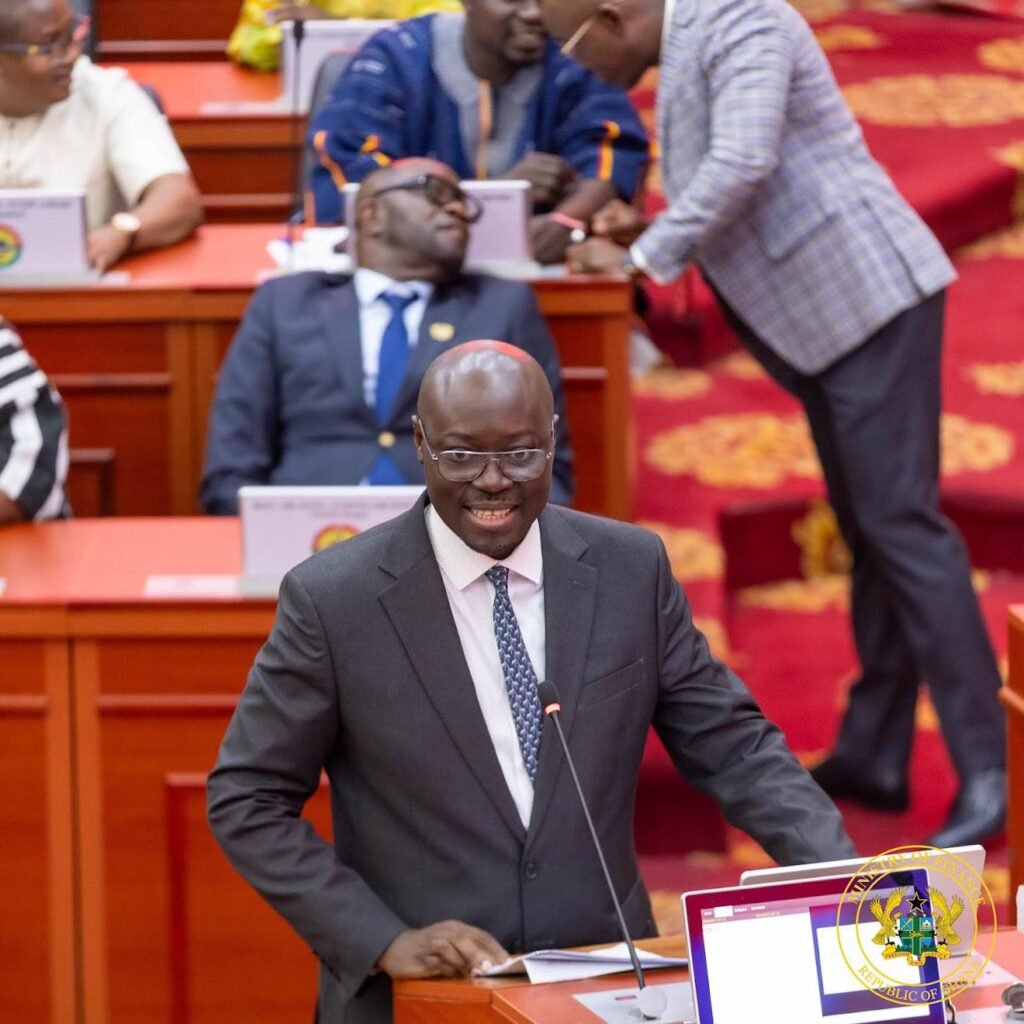
The establishment of the Value for Money Office marks a significant shift in Ghana’s approach to public financial management. By focusing on both compliance and value, the government aims to address long-standing inefficiencies and ensure that public resources are used effectively.
Officials expressed confidence that the new framework will reduce wastage, prevent inflated contracts, and deliver better outcomes for citizens. They argue that if such measures had been implemented earlier, Ghana could have avoided many of the challenges associated with stalled projects and cost overruns.
As the office begins operations, its impact will be closely watched as a test of the government’s commitment to transparency, accountability, and fiscal discipline.