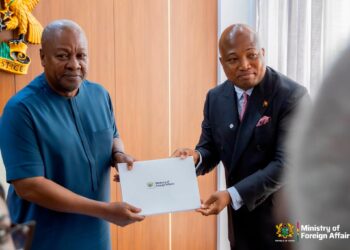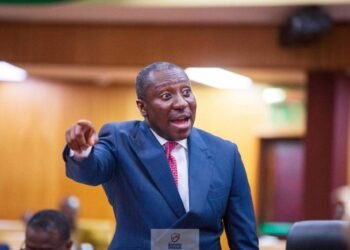
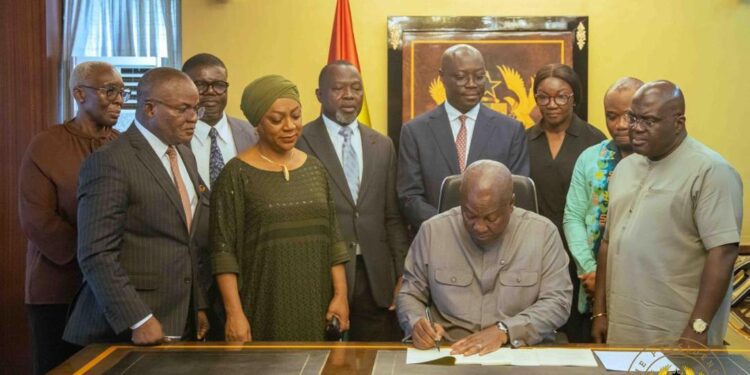
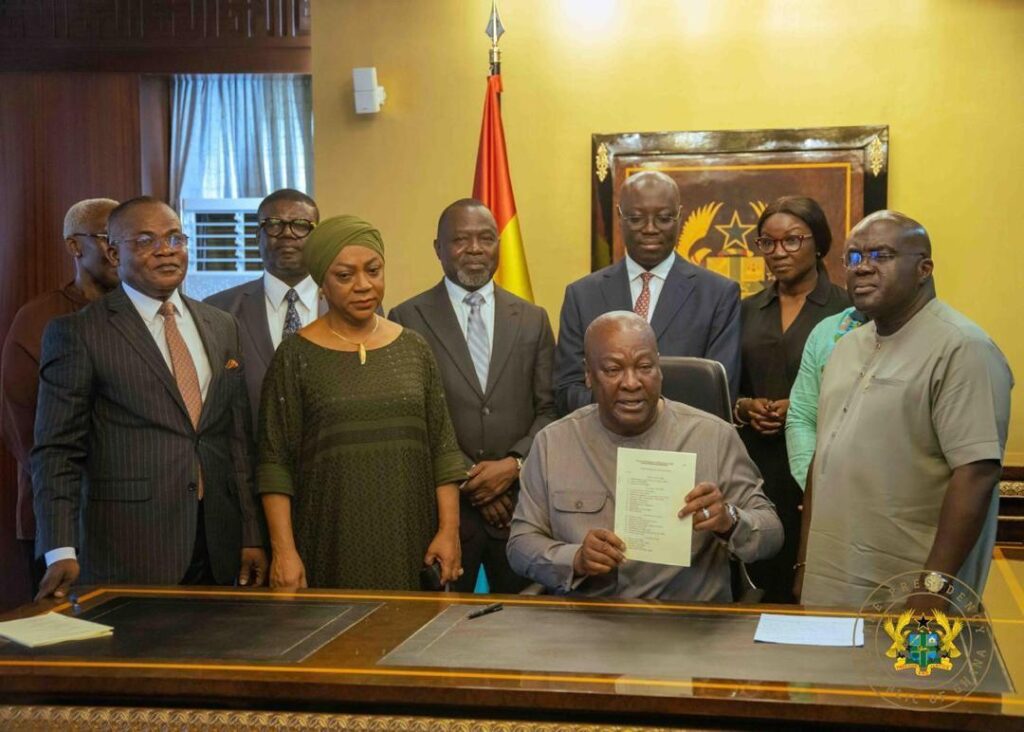
President John Dramani Mahama has signed the Value for Money Office Act into law, marking what government officials describe as a major institutional reform aimed at curbing inflated public contracts, reducing wasteful expenditure, and strengthening accountability in the management of public funds.
The signing ceremony took place on May 11, 2026, with senior government officials in attendance, including Finance Minister Cassiel Ato Forson, who described the new legislation as a decisive intervention that will fundamentally change how government contracts are reviewed, approved, and monitored in Ghana.
Speaking shortly after the signing ceremony, Dr. Forson said the President’s assent represents the fulfillment of a key campaign commitment by the Mahama administration and the beginning of a new era in public financial management.
“This morning, President Mahama signed into law the Value for Money Office Act. This singular signature and assent will mean that, going into the future, the Republic of Ghana and the Government of Ghana will curtail public sector expenditure that has actually risen as a result of over inflation of government contracts”.
Finance Minister Dr. Cassiel Ato Forson
New Office to Review Single Source Procurement
According to the Finance Minister, one of the most significant reforms introduced under the new law is the establishment of an independent Value for Money Office that will scrutinize government contracts, particularly those awarded through single source procurement.
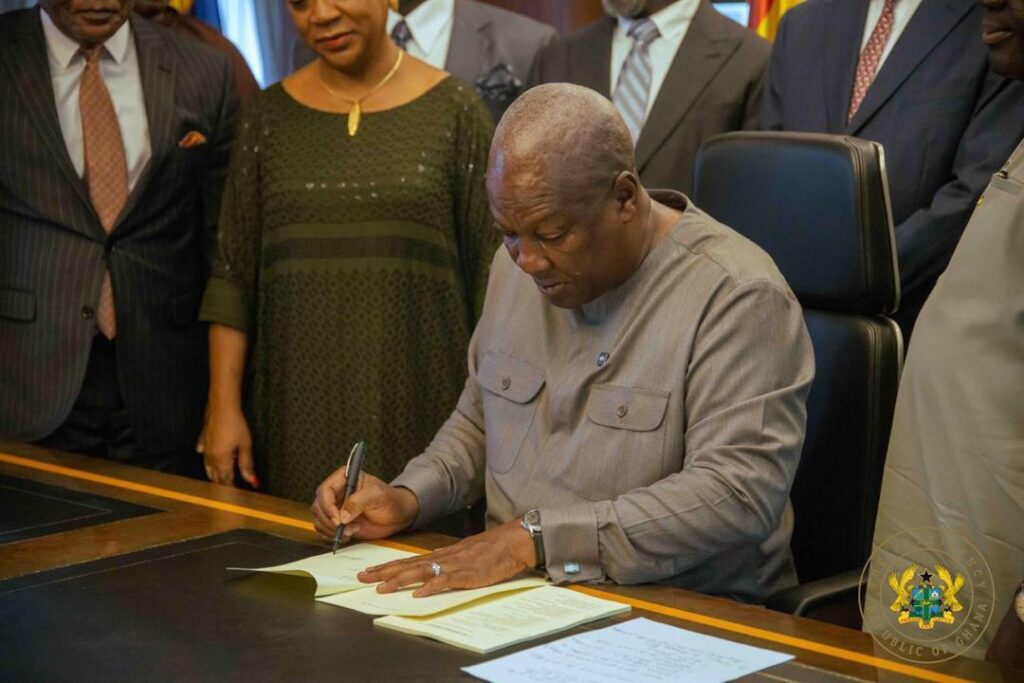
He explained that under the new legal framework, all future single source procurement arrangements will be subject to mandatory technical and financial review by the new office before approval.
“What we seek to do, going into the future, is that we will set up the office, and all single source procurement will have to go through the Office for Value for Money”.
Finance Minister Dr. Cassiel Ato Forson
The Minister indicated that this process is expected to prevent contract inflation, eliminate unnecessary expenditure, and ensure that public resources are used efficiently.
He stressed that government’s objective is to ensure that every cedi spent by the state delivers measurable value to citizens while promoting fiscal discipline.
Institutionalizing a Critical Function
Dr. Forson noted that value for money assessments had previously been handled internally by the Legal Division of the Ministry of Finance, an arrangement he said lacked the specialized expertise required for such a technically demanding function.
He explained that the new legislation corrects that institutional gap by formally establishing a dedicated office with specialized technical expertise. “So what we have done is to properly institutionalise the Value for Money Office,” he added.
According to the Minister, creating an independent institution with professional capacity is essential if government is to effectively tackle longstanding inefficiencies in contract management and public expenditure.
Campaign Promise Becomes National Policy
The Finance Minister described the signing of the Act as the fulfillment of a major campaign pledge by President Mahama. “President Mahama, as part of his campaign pledge, promised to establish the Value for Money Office, and today he has graciously assented to it following Parliament’s passage,” he said.
He used the opportunity to assure Ghanaians that government remains determined to tackle what he described as the persistent problem of over inflated contracts and questionable public spending.
The Minister expressed confidence that the new institution will significantly improve transparency and efficiency in the use of public resources. Following the President’s assent, the Finance Minister disclosed that the government is expected to begin the process of operationalizing the new office over the next six months.
“What we seek to do is to use the next six months to properly constitute the office, nominate the leadership of the Value for Money Office, and constitute the technical team that will ensure the implementation of the Act”.
Finance Minister Dr. Cassiel Ato Forson
He expressed confidence that by January 2027, the office will be fully operational. “I believe that beginning 2027 January, this office will be fully implemented and Ghanaians will see the need for a Value for Money Office,” he stated.
A Self Sustaining Institution
Dr. Forson also argued that the new office has the potential to pay for itself by generating savings through reduced public expenditure. Drawing from international examples, he said similar institutions in other countries have proven highly effective in protecting public finances.
“I have seen the Value for Money Office being operated in other countries, and I can tell you for a fact that if there is one single office that can pay for itself from day one, it is the Office for Value for Money because it reduces public expenditure and obviously creates fiscal space that will be used to develop other sectors of the economy”.
Finance Minister Dr. Cassiel Ato Forson
According to him, savings generated through better contract management can be redirected toward critical national priorities including healthcare, education, infrastructure, and job creation.
Legislative Journey of the Bill
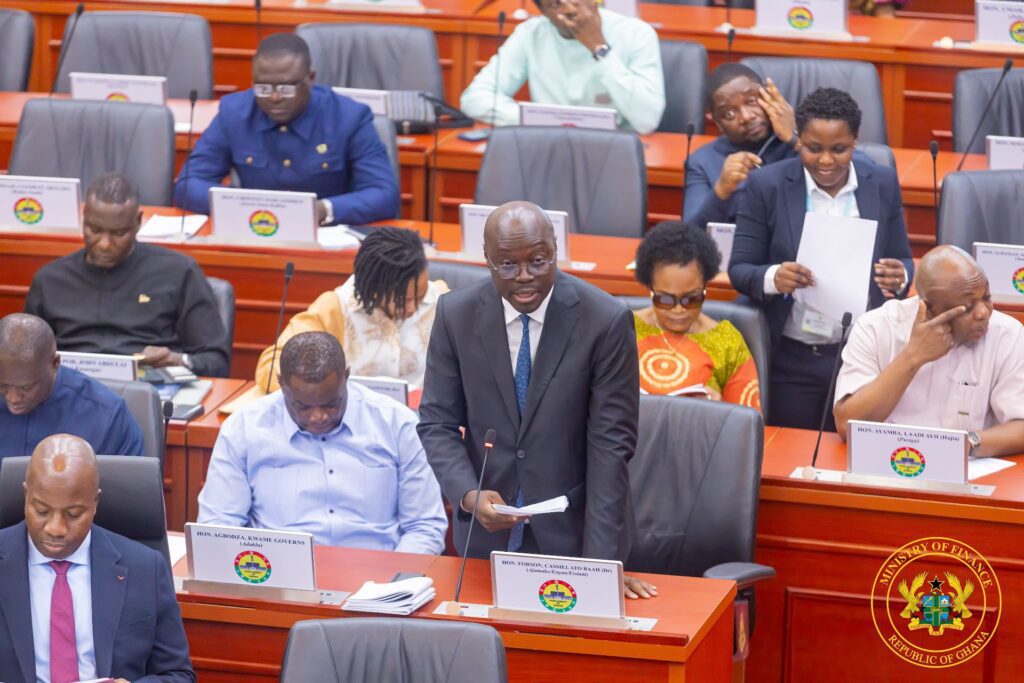
The legislative process for the Value for Money Office Act began on February 24, 2026, when the Finance Minister, Dr. Forson, formally laid the bill before Parliament.
Presenting the proposed legislation before lawmakers, the Finance Minister described it as a decisive step toward tackling chronic inefficiencies within Ghana’s public financial management system.
He said the bill was designed to address persistent challenges including inflated contracts, abandoned projects, cost overruns, and wasteful public expenditure. Following parliamentary debate and review, the bill was passed in March 2026 before being forwarded to the President for assent.
With the law now officially in force, attention will shift to implementation and the extent to which the new institution can deliver on its promise of protecting public resources and improving fiscal accountability.
READ ALSO: Expert Backs Sustainable Pricing to Reduce GoldBod’s Operational Losses