
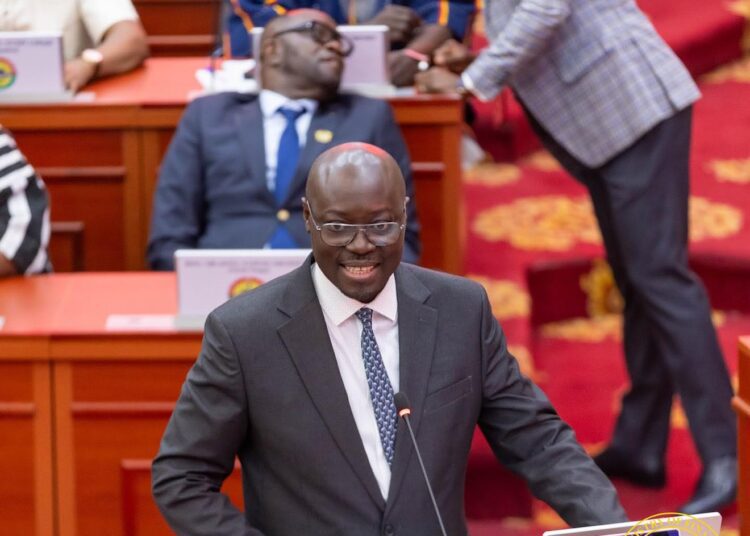
Ghana’s Finance Minister, Cassiel Ato Forson, has formally laid the Value for Money Office Bill before Parliament of Ghana, marking a major step in the government’s efforts to reform public financial management and curb wasteful expenditure.
The bill fulfils a key commitment announced during the 2026 Budget Statement delivered in November 2025 and reflects growing concern about inefficiencies that have long burdened state finances.
Presenting the bill, the Finance Minister said the proposed law responds to persistent challenges within the public sector, including inflated contracts, abandoned projects, cost overruns, and spending practices that fail to deliver value to citizens.
He stressed that the absence of a dedicated value for money framework has allowed these weaknesses to fester, undermining fiscal discipline and public confidence in government spending.
According to Dr Forson, the bill is designed to confront structural problems that have repeatedly resulted in the misuse of public funds. He explained that contract inflation and wasteful expenditure have not only drained limited national resources but have also slowed development and weakened trust in state institutions.
The proposed legislation seeks to institutionalise a comprehensive value for money framework that ensures every cedi spent by government yields the highest possible benefit.
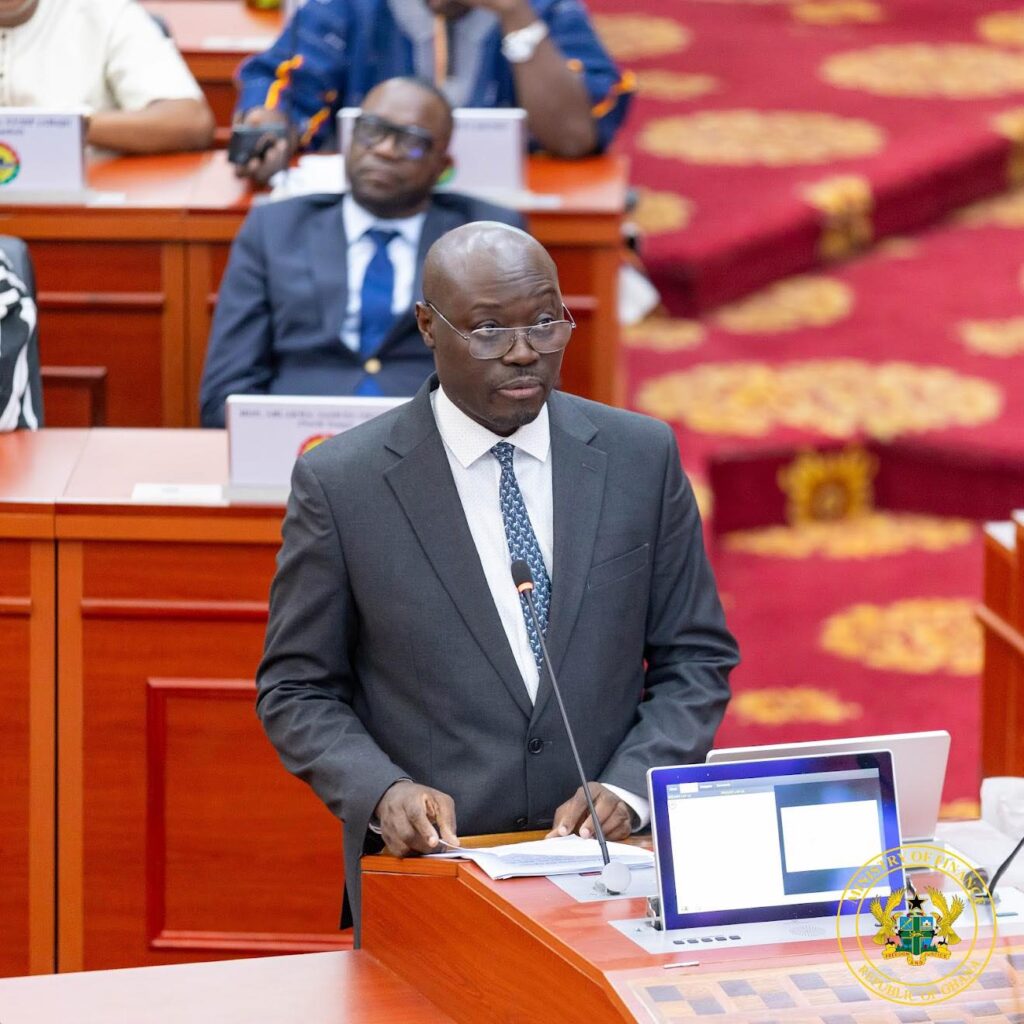
This framework is anchored on core principles such as economy, efficiency, effectiveness, equity, and sustainability. By embedding these principles into law, the government aims to move beyond ad hoc controls toward a more systematic and enforceable approach to public spending.
The Finance Minister noted that value for money is not merely about reducing costs, but about ensuring that public expenditure delivers meaningful outcomes that improve the lives of citizens across sectors.
Establishment of the Value for Money Office
A central feature of the bill is the creation of an independent Value for Money Office. This new institution will be mandated to conduct value for money assessments on major government projects and programmes.
Crucially, it will have the authority to issue value for money certificates before significant contracts are awarded, a measure intended to prevent inflated pricing and poorly designed agreements from being approved in the first place.
Beyond pre contract assessments, the office will also monitor compliance during project implementation. Where violations are identified, the bill provides for sanctions to ensure accountability. Dr Forson said this dual role of prevention and enforcement is essential to changing the culture of public spending.
He described the proposed office as a specialised oversight body equipped with the technical expertise required to scrutinise complex contracts and procurement decisions that often escape effective review under existing arrangements.
Strengthening Fiscal Discipline and Public Confidence
The overarching objective of the bill, the Finance Minister explained, is to strengthen fiscal discipline and reduce waste across government. By institutionalising value for money oversight, the legislation aims to promote uniform pricing in government contracts and eliminate the wide cost disparities that currently exist for similar projects and services.
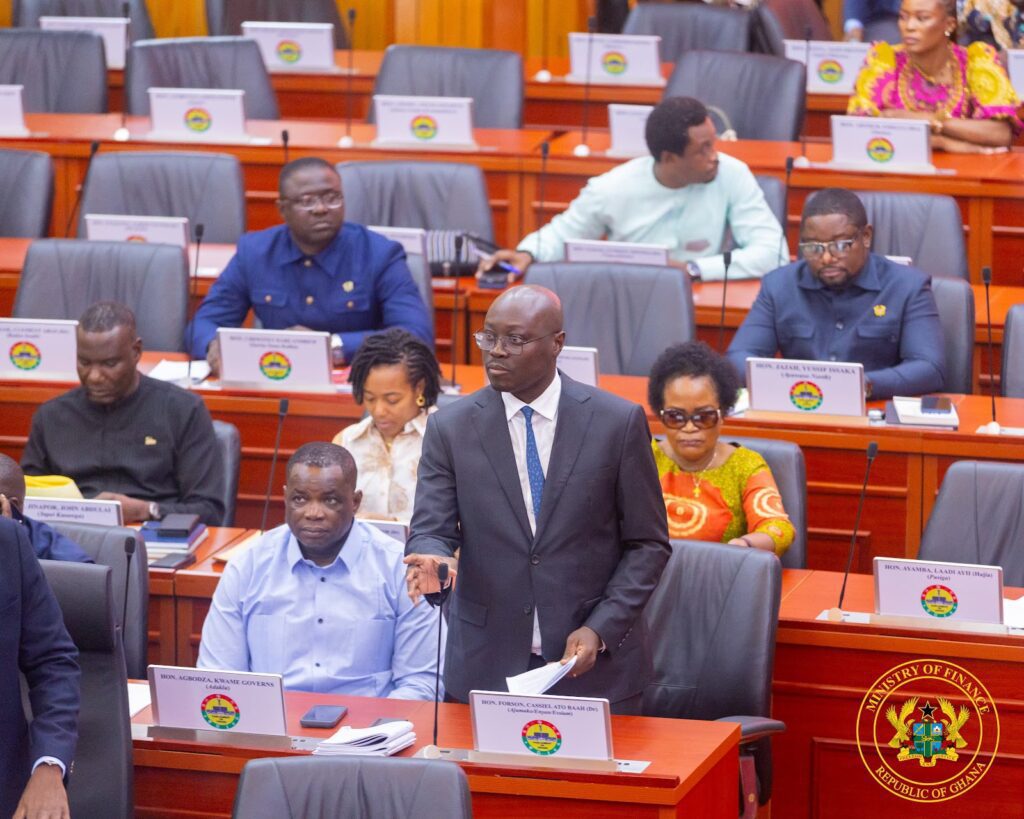
Dr Forson argued that these reforms are necessary to restore public confidence in how state resources are managed. He said citizens have a right to expect that taxes and public revenues are used responsibly and transparently, especially in a context of competing development needs.
The bill is also expected to enhance investor confidence by improving governance standards and demonstrating Ghana’s commitment to sound financial management.
In the view of the Finance Minister, a credible value for money regime can reassure both domestic and international investors that public funds are managed prudently and that corruption and inefficiency are being actively addressed.
In justifying the proposed reforms, Dr Forson pointed to international examples where value for money frameworks have been successfully embedded in public financial management systems.
He cited countries such as the United Kingdom, Canada, Singapore, Slovakia, and the United States as jurisdictions that have established statutory mechanisms to ensure optimal use of public funds.
In the United Kingdom, for instance, the National Audit Office plays a key role in conducting value for money examinations across government. Canada operates a National Money Audit framework under the Ministry of Finance, while the United States relies on its national accountability structures to promote efficiency and effectiveness in public spending.
Ghana, the Finance Minister said, seeks to align itself with these global best practices by creating a system that ensures value for money is not an afterthought but a mandatory requirement in government contracting and expenditure.
Transforming Public Financial Management
Dr Forson emphasised that the bill is intended to transform the country’s public financial management landscape. By reducing contract inflation, curbing wasteful expenditure, and improving oversight, the legislation aims to deliver long term savings that can be redirected toward priority areas such as infrastructure, health, education, and job creation.
He told Parliament that ensuring every cedi counts is not only a fiscal imperative but also a moral obligation to citizens. In his concluding remarks, the Finance Minister expressed confidence that the Value for Money Office Bill would strengthen accountability, enhance transparency, and help build a more efficient and trusted system of public finance management in Ghana.
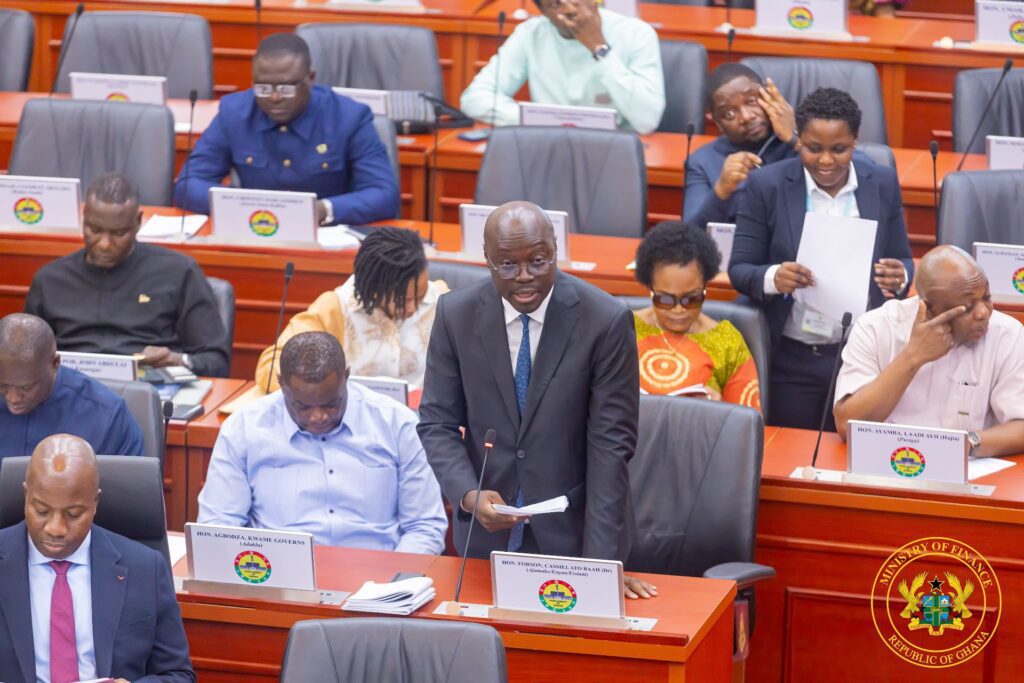
In conclusion, the Value for Money Bill laid before Parliament by Cassiel Ato Forson represents a decisive step toward correcting long standing weaknesses in public spending.
By institutionalising independent oversight and enforcing value for money standards, the proposed law signals a renewed commitment to fiscal discipline, accountability, and restoring public confidence in the management of state resources.
READ ALSO: Trade Minister Outlines Comprehensive Strategy for Industrial Reset