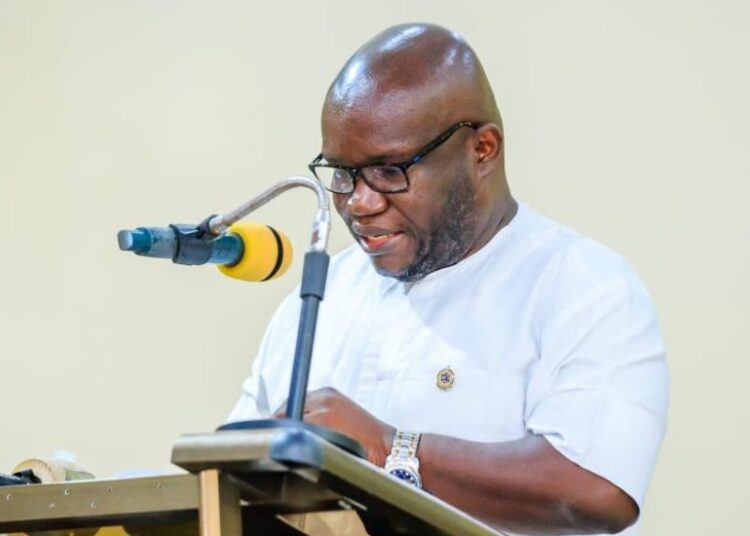
The Convener of the Media Coalition against Illegal Mining, Dr Ing Ken Ashigbey has argued that Ghana has fallen short of the responsibility to honour those who lost their lives while fighting to protect the country from illegal mining. He observed that one year after the helicopter crash that claimed the lives of individuals involved in the national fight against galamsey, illegal mining continues to threaten water bodies and communities.
“We have unfortunately not honoured these people who died in the quest of saying that they are going to save all of us, our lives.”
Dr Ing Ken Ashigbey
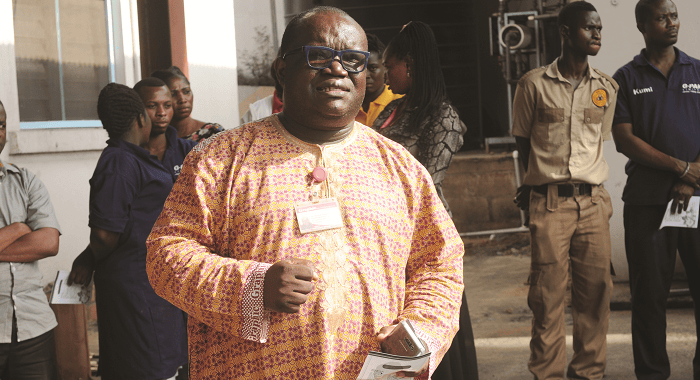
Mr Ashigbey pointed to activities taking place openly along major roads as evidence that the enforcement of responsible mining remains weak. He noted that miners continue operating in waterways and other sensitive areas with little visible resistance from authorities.
According to him, the situation along the Bekwai road and other parts of the country demonstrates the scale of the challenge facing the campaign against illegal mining. Communities and motorists travelling from Bonsu through Osinor, he added, can witness mining activities taking place in areas where enforcement should be visible.
The Convener therefore questioned the significance of launching responsible mining initiatives when destructive activities continue in plain sight. For him, the continuous degradation of water bodies raises serious questions about the country’s commitment to the promises made after the deaths.
A major part of the responsibility rests on the need for greater transparency over the condition of Ghana’s water resources. Mr Ashigbey recalled a commitment for monthly publication of water quality results, arguing that access to such information would allow citizens to understand the effect of mining on the water they depend on.
The demand for regular water quality information also involves state institutions responsible for providing safe water. Referencing the Kyebi water treatment plant, he disclosed that the facility was unable to operate because of the level of turbidity in the water entering the plant.
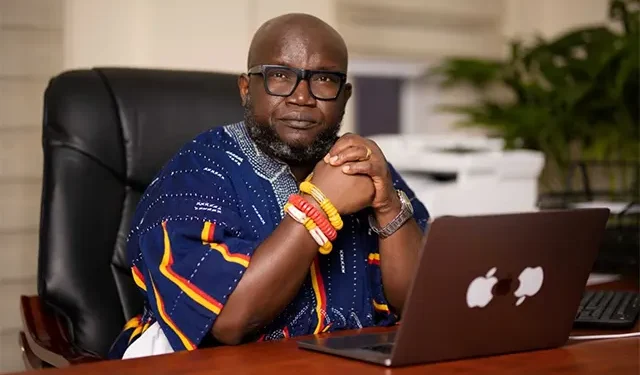
This development illustrates how illegal mining has moved beyond environmental degradation into an issue affecting public infrastructure and access to essential services. The inability of a treatment facility to operate effectively because of heavily contaminated water, he noted, should strengthen the urgency surrounding the national response.
Dr Ashigbey also appealed to individuals benefiting from illegal mining activities to reconsider their actions. He invoked a prayer for divine intervention while urging citizens, officials and institutions with decision making responsibilities to use every available means to protect Ghana’s water bodies.
Civil Society Must Renew Galamsey Fight After Setbacks
In discussing the role of civil society and the media in sustaining pressure against illegal mining, Mr Ashigbey acknowledged that organisations involved in the campaign also need to examine their own level of commitment after a period he described as marked by slow progress.
He accepted part of the blame for the reduced intensity of advocacy while pointing to petitions submitted by the Catholic Bishops Conference and the Media Coalition against Illegal Mining to the Ministry of Lands and Natural Resources. The petitions resulted in the establishment of a committee whose recommendations were forwarded to the President and other ministers for action.
The challenge, however, lies in translating recommendations and promises into measurable action on the ground. From his perspective, progress has often taken the form of one step forward followed by a slowdown that weakens the momentum of the campaign.
Financial commitments have been a hindrance in his assessment of the response to illegal mining. He questioned the pace of allocations for the campaign and compared an allocation of GH¢150 million with an earlier figure of GH¢60 million at the half year stage.
Such figures, he suggested, require closer scrutiny to determine whether resources committed to the fight are reaching the areas where intervention is most needed. Analysing the situation from a civil society perspective, the Convener argued that funding commitments must translate into visible enforcement and measurable environmental recovery.
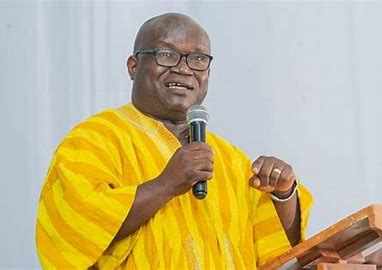
He stressed that the responsibility extends beyond organised civil society because the middle class, the media and ordinary citizens all form part of the national response to galamsey. The absence of financial compensation for many organisations involved in the campaign, he noted, makes public participation even more important.
“It is all of us, our responsibility to do that. So I would say I take the blame. Don’t blame it on any civil society organisation.”
Dr Ing Ken Ashigbey
Therefore, he called for a renewed commitment to the campaign and urged stakeholders to respond to the invitation from the President to help address illegal mining. The call, he explained, should create an opportunity for civil society, the media and government to reassess previous approaches and establish stronger cooperation.
Mr Ashigbey described the required change as a metanoia, using the Greek term to signify a change of heart and direction. He therefore encouraged stakeholders to move beyond previous disappointments and bring fresh determination to the protection of Ghana’s water bodies and other natural resources.
The renewed effort should combine public pressure, media scrutiny, institutional action and citizen participation. Such collective engagement, in his view, would give greater force to the national campaign and help ensure that the sacrifices made in the fight against galamsey receive meaningful recognition through action.
READ ALSO: Wendy Shay Wins Top Honour at Ghana Music Awards USA