Ghana has secured another significant diplomatic and economic victory as the United States government officially lifts the 15 percent tariff previously imposed on Ghanaian cocoa and a range of agricultural products.
The decision, confirmed by Ghana’s Minister for Foreign Affairs, Hon. Samuel Okudzeto Ablakwa, marks a major turnaround in US–Ghana trade relations and is expected to deliver substantial revenue gains for the country.
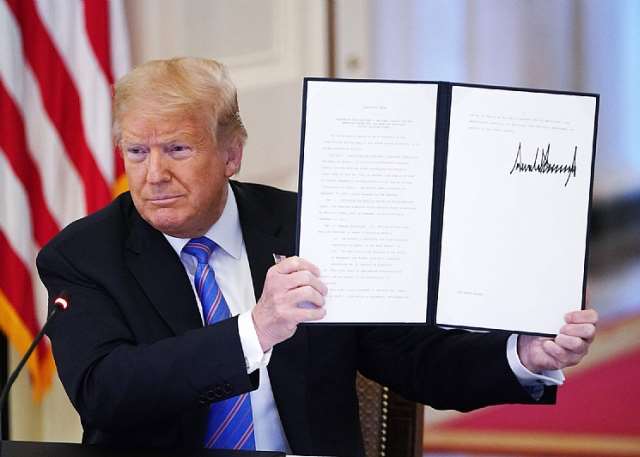
According to the Minister, US officials formally communicated the development to the Government of Ghana after President Donald Trump issued a new Executive Order rescinding the import duties.
“US diplomats confirm to me that the 15% tariff reversal came into effect on November 13, 2025,” Hon. Ablakwa stated, adding that the exemption applies not only to cocoa but also to cashew nut, avocado, banana, mango, orange, lime, plantain, pineapple, guava, coconut, ginger and assorted peppers.
The reversal represents a significant relief for Ghana’s export economy. Ghana exports an estimated 78,000 metric tons of cocoa beans to the United States annually.
With the current spot price averaging US$5,300 per metric ton, the Foreign Minister said the country stands to accrue “additional revenue of US$60 million (GHS667 million) each year” as a direct result of the tariff removal.
This boost strengthens Ghana’s position in the US cocoa market, particularly as the United States remains the world’s largest importer of chocolate and cocoa products.
Ghana Welcomes Development
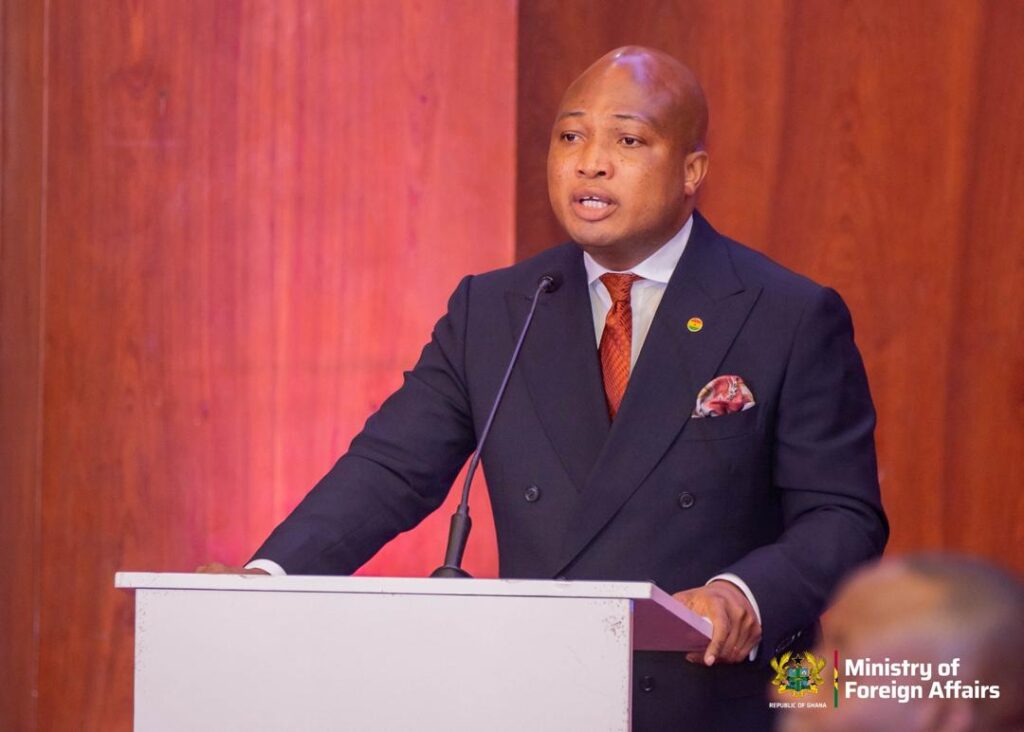
Hon. Ablakwa described the development as a welcome and timely step that will support the government’s broader economic recovery effort. “Ghana welcomes this positive development from the US,” he affirmed, noting that Ghana and the United States “will continue to forge closer and mutually beneficial relations.”
The breakthrough follows months of behind-the-scenes diplomatic engagement led by President John Dramani Mahama’s administration, particularly after Washington imposed several restrictive measures earlier in the year.
Just two months ago, Ghana celebrated the reversal of stringent visa restrictions imposed by the US government. Those sanctions had reduced Ghana’s eligibility for five-year multiple-entry visas and created significant travel and consular challenges for Ghanaian citizens.
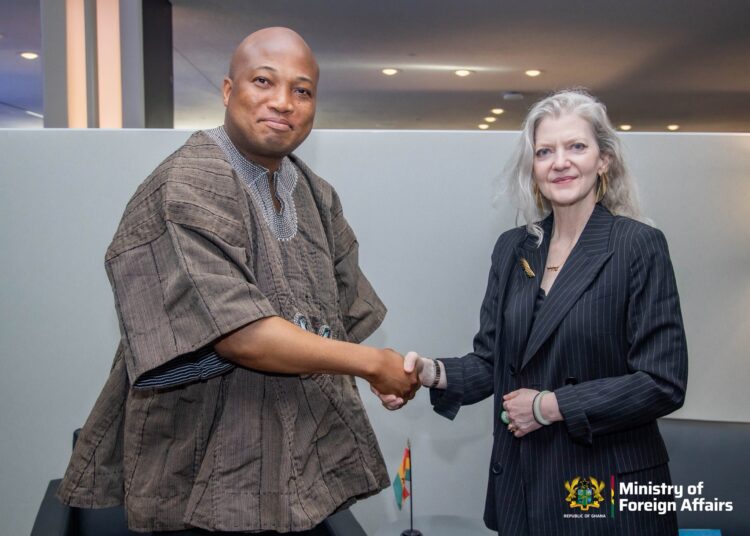
The visa restrictions were formally lifted following consultations between Ghana’s Foreign Affairs Minister and Allison Hooker, the US Under Secretary of State for Political Affairs.
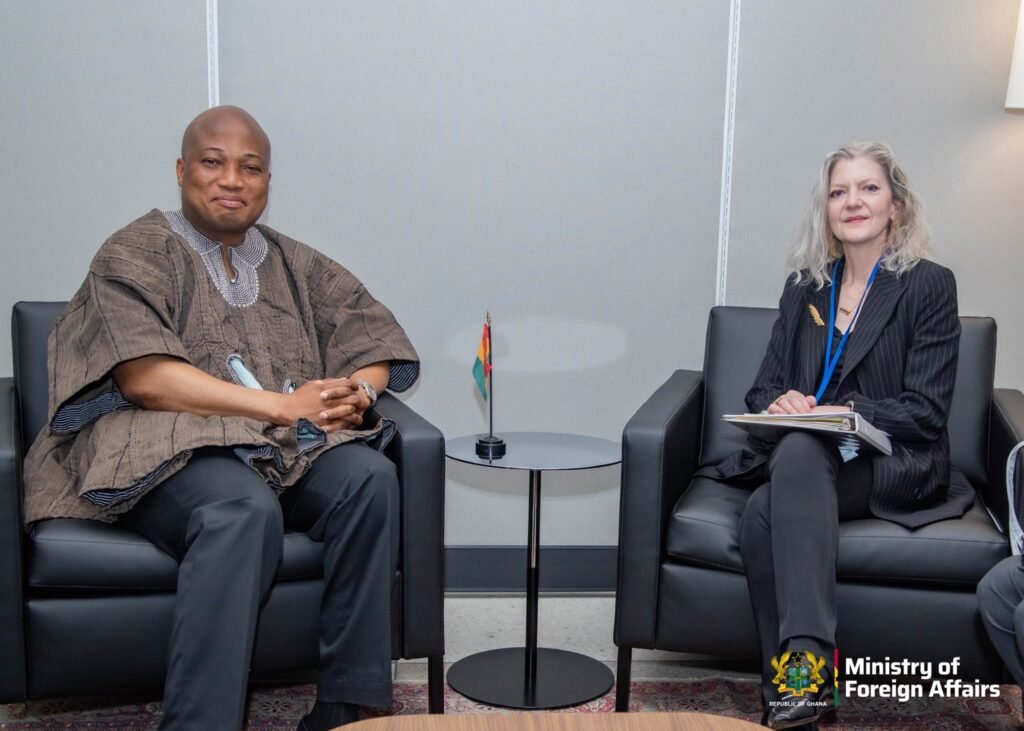
The announcement was made during a bilateral discussion on the sidelines of the 80th United Nations General Assembly in New York—an encounter that also revisited broader issues of trade, migration and security cooperation between the two nations.
At the time, President Mahama described the visa restoration as a “major diplomatic success,” noting that negotiations were underway to address unresolved trade matters, including the 15 percent tariff on cocoa and agricultural exports and the renewal of the African Growth and Opportunity Act (AGOA).
The President reassured Ghanaians that the country would continue to engage the United States as an equal partner, while safeguarding Ghana’s sovereignty in all bilateral agreements.
The lifting of the 15 percent tariff now stands as evidence of successful diplomacy in action. For the agricultural sector, especially cocoa, the most immediate impact will be cost competitiveness.
Ghanaian Exporters Regain Price Advantages
With the tariff barrier gone, Ghanaian exporters regain price advantages in the world’s most lucrative chocolate market, as the move could also stimulate production volumes, improve investor confidence, and support job creation along the cocoa value chain.
Beyond cocoa, the broad exemption covering fruits, nuts and spices offers new opportunities for diversification. Cashew, pineapple, mango and ginger producers—sectors that have expanded rapidly in the past decade—will find improved market access in the US under enhanced conditions.
The tariff removal is also expected to encourage agribusiness investment and strengthen the government’s objective of expanding non-traditional exports to reduce dependency on raw cocoa.
For Ghana–US relations, the decision marks a renewed phase of cooperation following a period of tension earlier in the year. With both visa restrictions and tariffs now reversed, diplomatic momentum appears to be shifting toward deeper engagement.
Ghana is also expecting further conversations with Washington regarding the future of AGOA, which has been a lifeline for African exporters since its inception.
Ghana’s Foreign Minister emphasised that the government views the tariff removal as part of a broader effort to position Ghana as a strong partner in global trade. “Ghana and the USA will continue to forge closer and mutually beneficial relations,” he said, reflecting the administration’s confidence in rebuilding stronger bilateral ties.

As Ghana works to consolidate recent economic gains, the lifting of the tariff offers a crucial boost. It enhances export earnings, stabilises trade relations with one of the country’s largest commercial partners and signals a positive shift in diplomatic cooperation.
For farmers, exporters and consumers, the development is expected to hold long-term benefits—reinforcing the pivotal role of foreign policy in shaping economic opportunity.
READ ALSO: Ghana to Address DPMC2025 on Small-Scale Gold Sourcing