Vice President Professor Jane Naana Opoku-Agyemang has announced a transformative proposal to establish a specialized “fish mall” aimed at enhancing the welfare and economic dignity of women in the inland fishing industry.
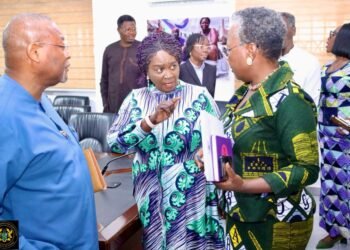
The initiative was unveiled during a high-level consultative meeting with the National Inland Canoe Fishermen Council (NICFC), where discussions centered on poverty reduction and the modernization of grassroots commerce.
“This move reflects the broader economic strategy of President John Dramani Mahama to ensure inclusive growth by creating dignified trading environments for the people at the base of the value chain”
Vice President Professor Jane Naana Opoku-Agyemang
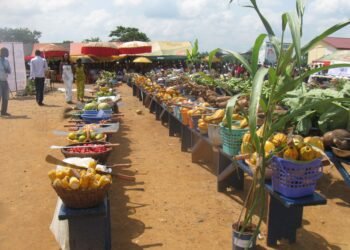
According to the Vice President, the meeting highlighted the essential role of women in the local economy, particularly in the processing and sale of fish. For decades, these traders have operated in unorganized spaces, often lacking the infrastructure necessary to scale their businesses or protect their health and safety.

The proposed fish mall is envisioned as a “secure, organized hub,” where women can not only sell their catch but also engage in value-addition activities. By providing cold storage, processing facilities, and a structured marketplace, the government aims to empower traders to command better prices and reduce post-harvest losses.
Grassroots Economic Transformation
The National Inland Canoe Fishermen Council, which has been at the forefront of advocacy since 1983, welcomed the dialogue as a significant step toward improving the livelihoods of fishing communities.
“The Council has played a vital role in advocating for poverty reduction among inland fishing communities since its inception,” Professor Jane Naana Opoku-Agyemang noted, emphasizing that the government’s resolve to support the Council’s initiatives is rooted in the belief that true economic progress must reach every segment of society.


The fish mall concept serves as a practical manifestation of this ideology, moving beyond traditional market structures to provide a facility specifically tailored to the unique needs of the inland fishing sector.

According to the Vice President, the facility will be designed to foster a fairer economy where the efforts of women traders are recognized and appropriately rewarded. By centralizing trade in an organized environment, the local fishing economy is expected to see a boost in efficiency.
This development is not merely about infrastructure but about restoring the dignity of the Ghanaian woman in trade, ensuring she has the tools and the environment to thrive in a competitive market.
The proposed mall is expected to be more than just a marketplace; it is intended to be a center for empowerment and community growth.
By working closely with the National Inland Canoe Fishermen Council, the government intends to refine the mall’s design to ensure it meets the practical requirements of those on the ground. This collaborative approach ensures that the project is sustainable and directly addresses the challenges identified by the practitioners themselves.

Prof. Opoku-Agyemang noted that the administration remains focused on strengthening the local fishing economy as a cornerstone of national development.
As the plan for the fish mall moves into the next phase, it stands as a testament to the government’s commitment to grassroots empowerment and the socio-economic elevation of women in Ghana.
READ ALSO: IES Applauds TOR’s Return to Crude Refining Operations