President John Dramani Mahama has unveiled a comprehensive roadmap to overhaul Ghana’s secondary education sector, pledging substantial budgetary allocations for infrastructure and a decisive end to the controversial double-track system.
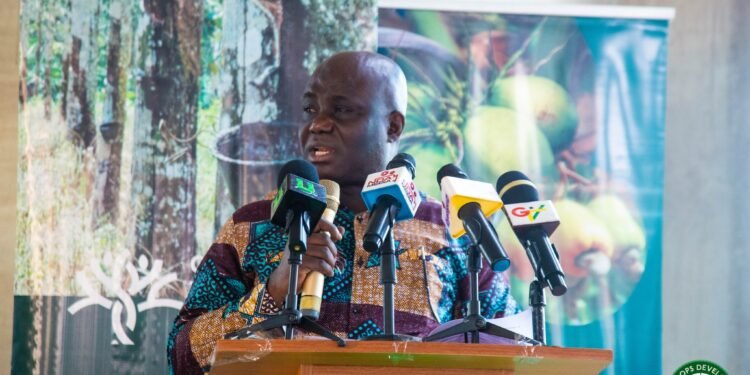
Addressing the 7th Quadrennial GNAT National Delegate Conference, the President framed the 2026 fiscal year as a pivotal turning point for the nation’s schools. The plan prioritizes the upgrading of facilities, the completion of abandoned projects, and a systemic return to ethical integrity in national examinations.
“The 2026 budget marks a key turning point. The government is committing substantial resources to upgrading 30 category C SHS schools to category B schools.
“We’re also expanding facilities in category B and category A schools in order to have adequate space for more children. We’re also completing 30 abandoned e-blocks all over the country to increase capacity in secondary schools, including building new community day schools, e-block quality schools”
President John Dramani Mahama
According to the President, this tiered infrastructure upgrade is aimed at increasing capacity and improving the quality of Senior High Schools (SHS). The shift toward day-schooling in urban centers is designed to accommodate the growing student population without the logistical strain of boarding facilities.

“The children, because they’re in the urban population, do not need to go and stay on campus. They can commute to school every day, and they’ll still get their one hot meal in the afternoon.
“There are 200 buses for secondary schools and other schools, and there are pickups for headmasters and the administrations to be able to carry out their duties. This will strengthen teaching supervision and accountability”
President John Dramani Mahama
President Mahama announced that a cornerstone of the 2026 reforms is the Ghana Secondary Learning Improvement Project (GSLIP). This two-year intervention is specifically designed to abolish the double-track system entirely by 2027.
President Mahama revealed that 100 schools have already successfully reverted to a single-track calendar, with the 2026 implementation phase set to accelerate this transition. The goal of GSLIP is to restore full-time schooling for all students, ensuring that contact hours are maximized and instructional quality is consistent across the board.
Restoring Academic Integrity
Addressing the recent poor outcomes in the West African Senior School Certificate Examination (WASSCE), the President delivered a blunt critique of the “culture of silence,” regarding examination malpractice.



He linked the rise in cheating to the pressure placed on school heads through performance bonds, which require a 100% pass rate. President Mahama argued that these bonds have created a “temporary veneer” of success that has finally been exposed by declining academic standards.
The President emphasized that ethical integrity is paramount to the future of Ghanaian students, labeling exam cheating as a form of early-stage corruption.
He pledged that the state would not abandon strict invigilation protocols. Instead, the administration intends to work with teacher associations like GNAT to improve the actual quality of schoolwork and preparation, ensuring that students earn their results through merit rather than malpractice.
“Cheating in exams is corruption and it is sad to encourage our children to be corrupt at such an early stage in their lives. Ethical integrity is key to their future. We will not give up strict invigilation and therefore must amend schoolwork rather than cheat”
President John Dramani Mahama
As 2026 begins, the focus shifts to the Ministry of Education’s ability to hit these infrastructure milestones while managing the transition away from the double-track system.

For the teachers gathered at the conference, the promise of improved logistics and a return to academic honesty marks a significant shift in the national education narrative.
READ ALSO: GRA Underscore Businesses Registration Under New VAT System