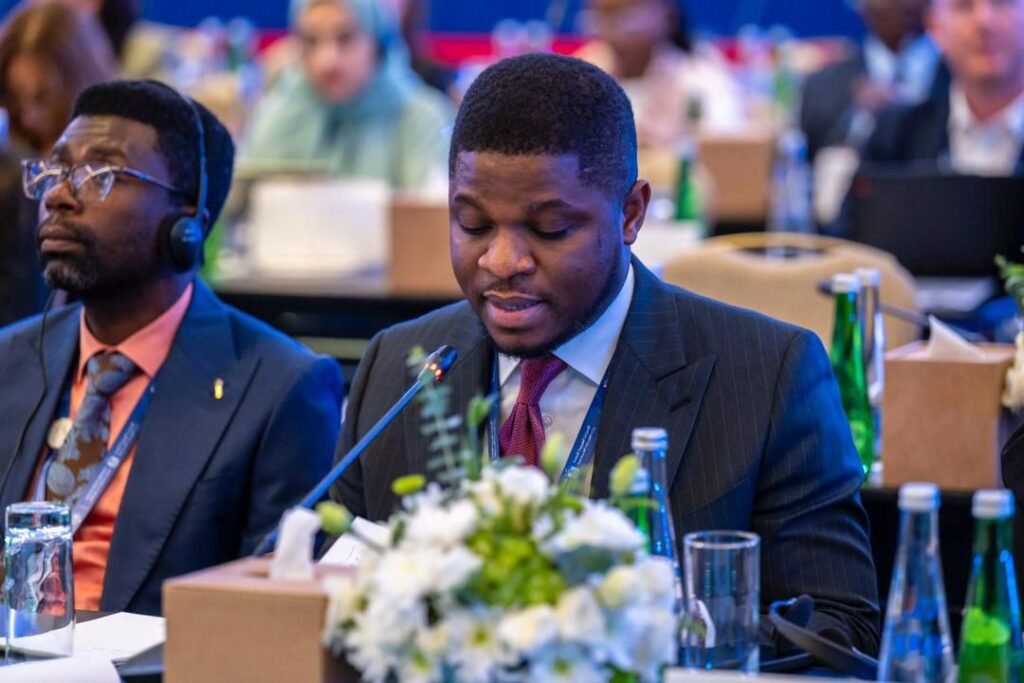
Director of Research and Administration at Africa Policy Lens (APL), Hayford Mensah Ayerakwa, has called for the immediate dissolution of the Ghana Gold Board (Goldbod) and a total suspension of gold exports to address the country’s worsening illegal mining crisis.
The economist asserted that the state must be willing to sacrifice existing institutional frameworks and export revenues to rebuild domestic capacity and safeguard the environment from the “genocide” of galamsey.
Ayerakwa’s demand stems from the observation that the current focus on gold reserves and state-led trading has failed to deter illegal activities, which he claims are now more lethal to the citizenry than violent crimes like armed robbery.
“Enough of the talk. If we have to close down GOLDBOD, stop gold exports, we can do it. Ghana has what it takes.”
Hayford Mensah Ayerakwa
Expanding on this radical proposal, Ayerakwa argued that the government’s reliance on Goldbod as a centerpiece of its “Gold-for-Reserves” programme is an exercise in misplaced priorities.
He criticized the current administration for adopting the same “optics” and ineffective strategies it once condemned while in opposition, suggesting that the symbolic economic stability provided by gold trading is being bought at the cost of human lives and ecological destruction.
By continuing to prioritize the operations of Goldbod while rivers and forest reserves are devastated, the government is, in Ayerakwa’s view, engaging in an unsustainable policy that lacks the necessary political will to effect real change.
He urged a shift from these “symbolic economic measures” toward a more decisive, depoliticized strategy that places the long-term productivity of Ghana’s land and the safety of its people above immediate fiscal gains.
Institutional Shield: How GOLDBOD Fuels the Menace
The establishment of Goldbod as a state monopoly for gold trading was intended to formalize the artisanal and small-scale mining (ASM) sector, yet critics argue it has inadvertently provided a “veneer of legitimacy” for illicitly mined gold.
By centralizing the purchase of gold from small-scale miners, Goldbod creates a ready market where the distinction between “licensed” and “illegal” sources often becomes blurred in the supply chain.
Despite the agency’s claims of rigorous compliance checks, many industry analysts suggest that the state is effectively “laundering” galamsey gold into the national reserves.
This institutional structure allows the government to tout increased gold production and stabilized currency reserves, while the actual extraction processes continue to poison water bodies with mercury and cyanide.
Furthermore, the “Gold-for-Reserves” policy creates a perverse incentive for the state to prioritize high volume purchases over environmental enforcement.
Because Goldbod serves as a “massive fund manager” for the sector, its survival depends on a steady flow of bullion.
This dependency makes it politically difficult for the government to shut down operations in mining hotspots, as doing so would directly impact the national treasury.
In this context, Goldbod acts as a fiscal shield, protecting the economic output of the mining sector from the necessary, albeit painful, regulatory crackdowns required to end galamsey once and for all.
Radical Reform: Why Closure is the Only Way Forward
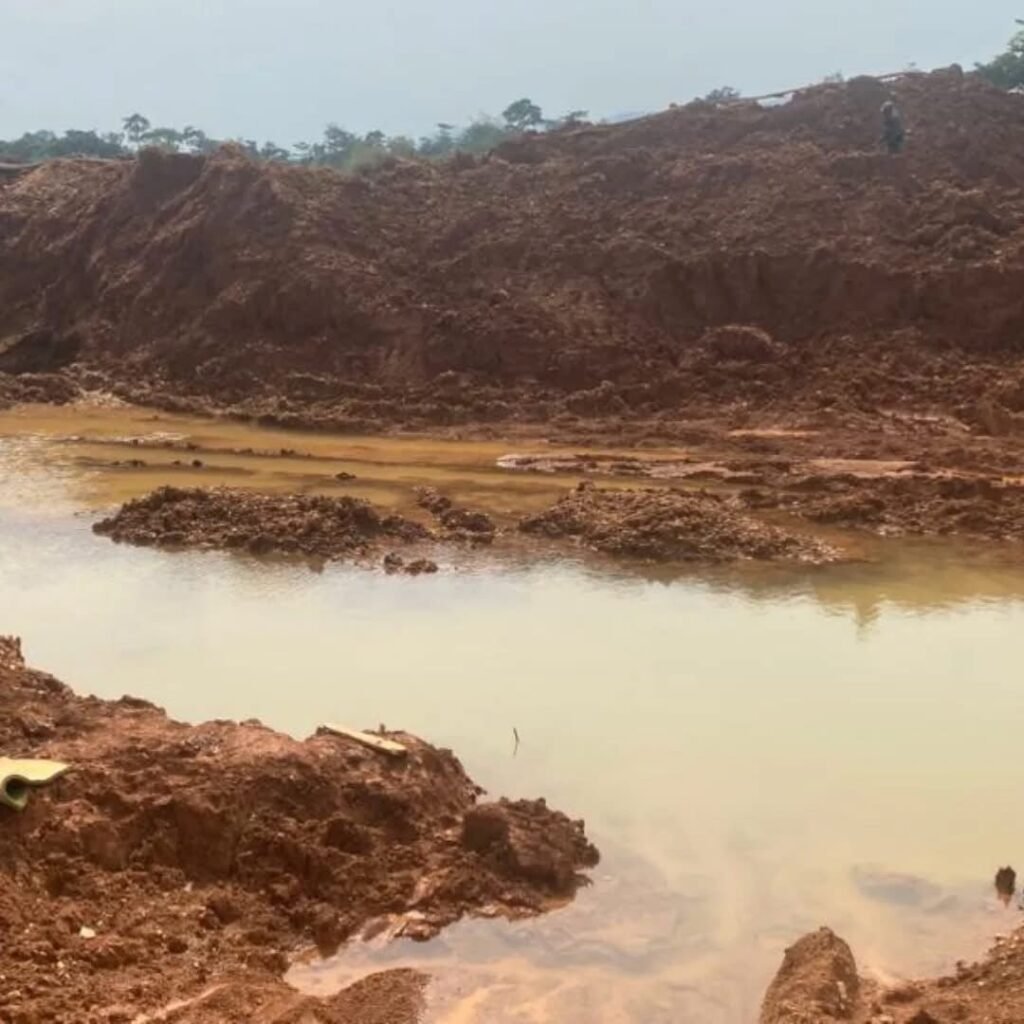
The call to shut down Goldbod and suspend exports is rooted in the belief that only a “systemic shock” can force a genuine restructuring of Ghana’s extractive industry.
Closing the board would immediately remove the state-sanctioned market for small-scale gold, forcing a total cessation of the trading activities that currently profit from environmental degradation.
Without a guaranteed buyer like Goldbod, the financial oxygen that fuels galamsey operations would be significantly depleted.
This move would allow for a “complete reset” of the industry, enabling the government to focus exclusively on land reclamation and the implementation of the promised blockchain-based traceability systems without the pressure of maintaining export quotas.
Suspending gold exports, while economically painful in the short term, serves as a powerful signal of “sovereign intent.”
It would compel international buyers and refineries to scrutinize their supply chains more closely, effectively “blacklisting” Ghanaian gold until the country can prove its extraction methods are sustainable.
This radical approach shifts the burden of proof onto the miners and the state, ensuring that “no volume of gold is worth a human life,” as even Gold Board’s own leadership has claimed in the past.
For Ayerakwa and Africa Policy Lens, the choice is clear: Ghana must choose between the “glitter of gold” and the “survival of its people.”
READ ALSO: GRA Underscore Businesses Registration Under New VAT System