• About
  • Advertise
  • Privacy Policy
  • Contact
Wednesday, August 26, 2026
  • Login
The Vaultz News
  • Top Stories
  • News
    • General News
    • Education
    • Health
    • Opinions
  • Economics
    • Economy
    • Finance
      • Banking
      • Insurance
      • Pension
    • Securities/Markets
  • Business
    • Agribusiness
    • Vaultz Business
    • Extractives/Energy
    • Real Estate
  • World
    • Africa
    • America
    • Europe
    • UK
    • USA
    • Asia
    • Around the Globe
  • Innovation
    • Technology
    • Wheels
  • Entertainment
  • 20MOBPL2DNew
  • Jobs & Scholarships
    • Job Vacancies
    • Scholarships
No Result
View All Result
The Vaultz News
  • Top Stories
  • News
    • General News
    • Education
    • Health
    • Opinions
  • Economics
    • Economy
    • Finance
      • Banking
      • Insurance
      • Pension
    • Securities/Markets
  • Business
    • Agribusiness
    • Vaultz Business
    • Extractives/Energy
    • Real Estate
  • World
    • Africa
    • America
    • Europe
    • UK
    • USA
    • Asia
    • Around the Globe
  • Innovation
    • Technology
    • Wheels
  • Entertainment
  • 20MOBPL2DNew
  • Jobs & Scholarships
    • Job Vacancies
    • Scholarships
No Result
View All Result
The Vaultz News
No Result
View All Result
in Extractives/Energy, Business, Sub Top Stories, Sub Top Stories2

Oil Prices Stabilise, But Ghana’s Fuel Risks Persist

Ivy Opoku Mintahby Ivy Opoku Mintah
July 31, 2026
Reading Time: 5 mins read
Add as Preferred on Google
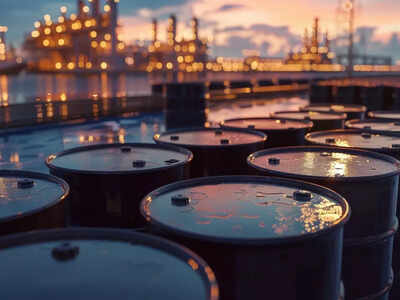
Crude oil

Global oil markets showed signs of temporary stabilisation on Friday after continued crude shipments through key Middle Eastern shipping routes eased fears of an immediate supply disruption, although traders remain highly sensitive to the escalating conflict involving the United States and Iran.

Brent crude initially fell to about US$88 per barrel before recovering to around US$89.50, while US West Texas Intermediate (WTI) rebounded from roughly US$82.09 to US$83.63 as investors reassessed tanker movements and export activity.

The recovery suggested that, despite intensifying geopolitical tensions, physical oil supplies have so far remained more resilient than many traders feared earlier in the month.

Markets shift from war headlines to tanker movements

Analysts say the focus has moved beyond military developments alone to whether oil cargoes are actually reaching buyers.

ADVERTISEMENT

Continued tanker traffic through strategic routes has prevented the severe supply shock that markets initially feared when hostilities escalated.
images 85
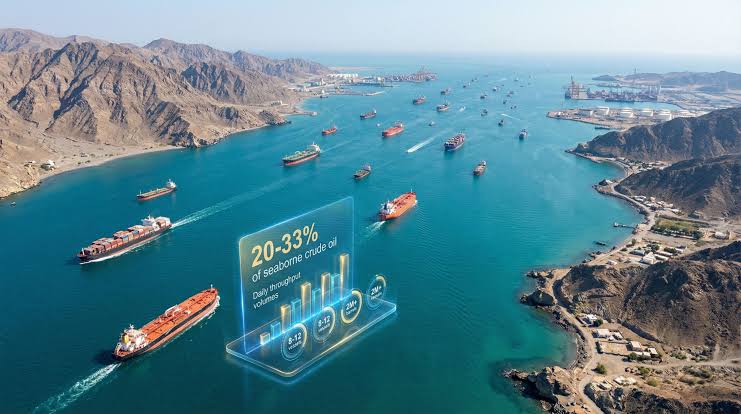
Strait of Hormuz

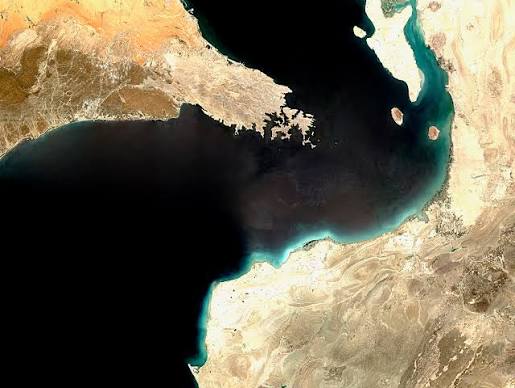
The Strait of Hormuz remains the most closely watched chokepoint because of its critical role in global crude oil and liquefied natural gas exports.

Norvan reports noted that any prolonged disruption in traffic through the Gulf could sharply tighten global supply, increase freight and insurance costs and force import-dependent countries to compete for alternative cargoes.

The market’s immediate focus has shifted from military headlines alone to evidence of whether oil cargoes are physically reaching buyers.

Red Sea threats keep risk premium elevated

While the continued movement of tankers has helped calm markets, geopolitical risks have not disappeared.

Shipping activity around the Gulf, Iraq, Yemen and the Red Sea continues to face security threats, and concerns have expanded beyond Hormuz to include the Bab el-Mandeb Strait and the wider Red Sea corridor.
ADVERTISEMENT
images 84
The Strait of Hormuz

The report said that threats to commercial shipping can affect routing decisions even when exports continue, with some vessels reportedly altering course following announcements linked to the conflict.

As a result, oil prices are still carrying a significant geopolitical premium despite the absence of a major physical supply interruption.

Why Ghana should still be concerned

For Ghana, the temporary stabilisation offers only limited relief.

ADVERTISEMENT

The country remains heavily dependent on imported refined petroleum products, meaning international crude prices, freight charges and insurance costs eventually feed into domestic fuel pricing.
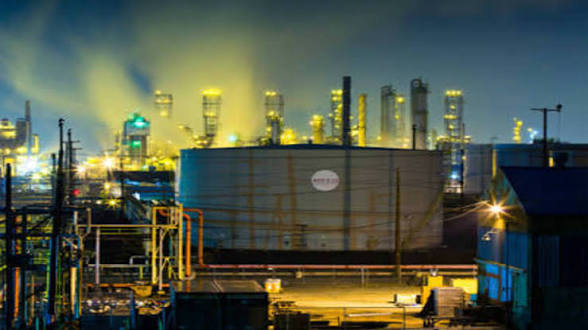
Global oil supply

Even if global oil supply volumes remain broadly intact, higher shipping and insurance expenses can increase the cost of bringing petrol and diesel into the country.

That matters because fuel prices influence transport costs, food distribution, manufacturing expenses and overall inflation.

A sustained period of elevated global oil prices would therefore continue to pose risks to household budgets and business operating costs.

The real issue is not a shortage

The most important takeaway for Ghana is that the current risk is not an imminent global oil shortage.
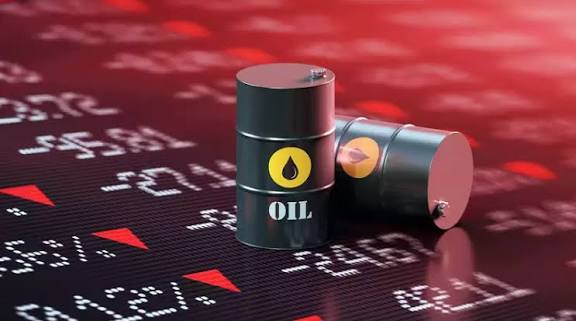
images 3 2
Crude Oil

The more realistic threat is a prolonged period of higher imported fuel costs caused by geopolitical uncertainty.

Brent remains far above pre-conflict levels, and markets are still pricing in the possibility that the situation could deteriorate quickly.

For policymakers, this reinforces the need to focus on domestic energy resilience rather than hoping international markets stabilise permanently.

Ghana’s long-running debates over refining capacity, strategic fuel storage, natural gas utilisation and renewable energy are becoming increasingly relevant each time external shocks push up import costs.

Volatility likely to continue

The report concluded that the near-term outlook remains highly volatile.

Prices could ease further if tanker traffic normalises and diplomatic efforts reduce tensions, but any credible disruption to Hormuz, Bab el-Mandeb or Saudi export infrastructure could quickly reverse the decline.
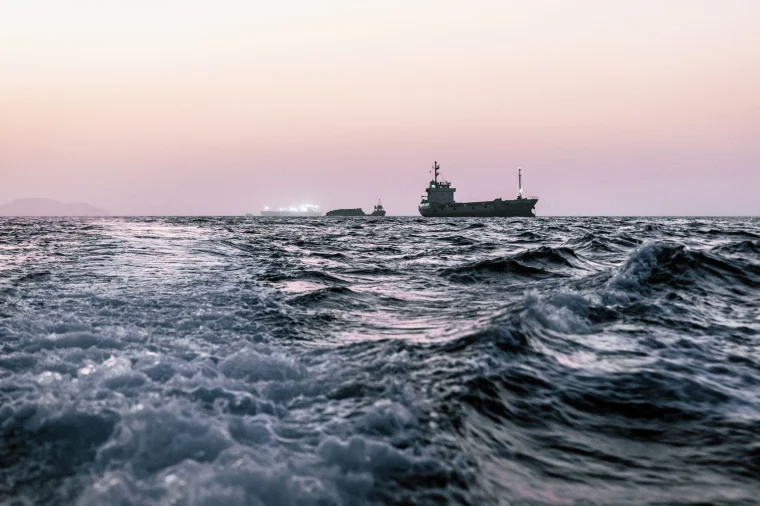
260625 hormuz rs dcece0
Oil Tankers Passing through Strait of Hormuz

Oil’s Friday movement shows that physical supply has so far proved more resilient than the geopolitical headlines suggested.

For Ghana, that resilience is encouraging but not reassuring.

As long as the country remains exposed to imported petroleum markets, events in distant shipping lanes and conflict zones will continue to shape costs at the pump, inflation across the economy and the broader energy security outlook.

READ MORE: Traditional Medicine Council Shuts 30 Facilities Over Regulatory Breaches

ADVERTISEMENT

Sign Up to Our Newsletter

Fresh updates, Straight to your inbox

Tags: Energy securitygeopolitical uncertaintyGhana fuel marketglobal marketOil stabilityStrait of Hormuz
Please login to join discussion
Previous Post

Parliament Marks African Women’s Day with Call to Advance Gender Equality

Next Post

Trump Uses Ceuta Crisis to Defend U.S. Border Policy

Related Posts

Minister for Energy and Green Transition, John Abdulai Jinapor, a guest speaker at FEC 2026
Extractives/Energy

Ghana Links Industrial Growth To Reliable, Affordable Power

August 25, 2026
The MTN Group Ltd Brand Logo
Uncategorized

MTN Rewards Investors with $375m Buyback as Earnings Rise 21%

August 25, 2026
BoG Freezes GH¢13.46bn From Banking System
Banking

BoG Freezes GH¢13.46bn From Banking System

August 25, 2026
Minister for Energy and Green Transition, John Abdulai Jinapor, a guest speaker at FEC 2026
Extractives/Energy

Ghana Targets Cheaper Energy Financing To Cut Power Costs

August 25, 2026
ADVERTISEMENT

Sign Up to Our Newsletter

Fresh updates, Straight to your inbox

ADVERTISEMENT

Recent News

image 237

Bruno Fernandes Voted PFA Player’s Player of the Year, Semenyo Makes Team of the Year

August 25, 2026
Minister for Energy and Green Transition, John Abdulai Jinapor, a guest speaker at FEC 2026

Ghana Links Industrial Growth To Reliable, Affordable Power

August 25, 2026
Ghana Launches Powerful Committee to Police Virtual Assets

Ghana Launches Powerful Committee to Police Virtual Assets

August 25, 2026
Chinese Foreign Ministry Spokesperson, Lin Jian as Ukraine’s Claim of Chinese Citizens fighting for Russia Denied

China Rejects US Pressure Over Iran

August 25, 2026
The MTN Group Ltd Brand Logo

MTN Rewards Investors with $375m Buyback as Earnings Rise 21%

August 25, 2026
ADVERTISEMENT
Next Post
Trump Rebuffs Putin’s Offer To Aid Israel-Iran Conflict Mediation

Trump Uses Ceuta Crisis to Defend U.S. Border Policy

The Vaultz News

Copyright © 2025 The Vaultz News. All rights reserved.

Navigate Site

  • About
  • Advertise
  • Privacy Policy
  • Contact

Follow Us

Welcome Back!

Login to your account below

Forgotten Password?

Retrieve your password

Please enter your username or email address to reset your password.

Log In
No Result
View All Result
  • Top Stories
  • News
    • General News
    • Education
    • Health
    • Opinions
  • Economics
    • Economy
    • Finance
      • Banking
      • Insurance
      • Pension
    • Securities/Markets
  • Business
    • Agribusiness
    • Vaultz Business
    • Extractives/Energy
    • Real Estate
  • World
    • Africa
    • America
    • Europe
    • UK
    • USA
    • Asia
    • Around the Globe
  • Innovation
    • Technology
    • Wheels
  • Entertainment
  • 20MOBPL2D
  • Jobs & Scholarships
    • Job Vacancies
    • Scholarships

Copyright © 2025 The Vaultz News. All rights reserved.

This website uses cookies. By continuing to use this website you are giving consent to cookies being used. Visit our Privacy and Cookie Policy.