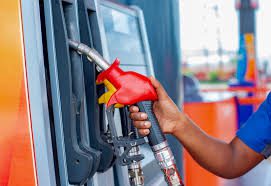
Ghanaian motorists, transport operators and businesses are bracing for another round of fuel price increases after the Chamber of Oil Marketing Companies (COMAC) projected broad upward adjustments for the first pricing window of August.
The expected increases are being driven by a sharp surge in international crude oil prices and renewed depreciation of the cedi, both of which have pushed petroleum import costs higher.
Under COMAC’s outlook, petrol could rise by 7.58% to about GH¢15.23 per litre, diesel by 12.50% to around GH¢17.45 per litre, while Liquefied Petroleum Gas (LPG) is projected to increase by 4.13% to roughly GH¢16.40 per kilogram.
The projections come just days after the National Petroleum Authority (NPA) revised upward the minimum retail price floors for petroleum products, signalling renewed pressure across the downstream petroleum market.
Diesel seen as the biggest economic risk
Among the three products, diesel is expected to have the strongest impact on the broader economy.
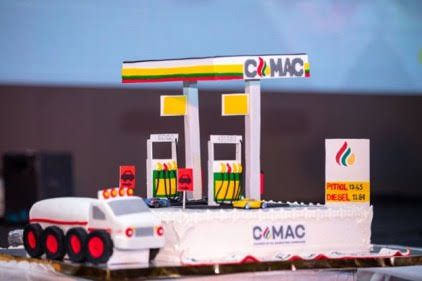
It remains the dominant fuel for commercial transportation, mining, agriculture, construction, manufacturing and backup electricity generation.
A sustained rise in diesel prices could therefore increase haulage costs, production expenses and the cost of moving food and other goods across the country.
Diesel’s sharper increase carries the most significant economic implications because of its extensive use across commercial transportation, mining, agriculture, construction, manufacturing and backup electricity generation.
COMAC indicated in its pricing outlook.
Oil market surge drives import costs
The strongest pressure is coming from international energy markets.
COMAC said average crude oil prices rose 23.25% during the review period, increasing from US$71.90 to US$88.62 per barrel.
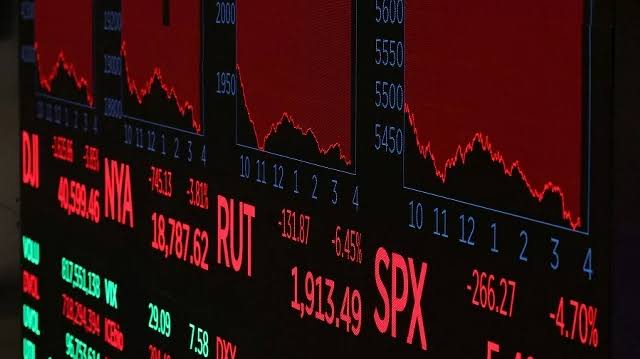
The rally followed renewed tensions involving the United States and Iran, which have raised concerns about possible disruptions to petroleum shipments through the Strait of Hormuz, one of the world’s most important energy transit routes.
Refined products recorded even steeper increases in some cases; diesel: +24.84%, petrol: +12.58%, LPG: +12.24%
These movements significantly increased the cost of fuel cargoes destined for the Ghanaian market.
Cedi weakness compounds the shock
Domestic currency pressure has added to the global oil rally.
The cedi depreciated by 1.41% against the US dollar during the pricing period, weakening from GH¢11.4970 to GH¢11.6593 per dollar.

Because Ghana imports a large share of its refined petroleum products, exchange-rate depreciation directly raises the local currency cost of those imports.
The result is a double squeeze on importers: higher dollar-denominated fuel prices and a weaker cedi with which to pay for them.
NPA floor prices set the baseline
The latest projections follow the NPA’s upward revision of minimum retail price floors.
The regulator set, diesel: GH¢16.97 per litre, petrol: GH¢14.53 per litre and LPG: GH¢11.06 per kilogram
Oil Marketing Companies and LPG Marketing Companies cannot sell below these levels, although actual pump prices may be higher once importer, distributor, marketer and dealer margins are added.
Some filling stations may implement smaller immediate increases because several companies had already adjusted prices ahead of the official August window, but the overall direction remains upward.
Inflation fight faces renewed pressure
The projected increases could complicate Ghana’s recent progress in reducing inflation.
Fuel prices affect inflation directly through transport costs and indirectly through manufacturing, farming, logistics and distribution expenses.

Commercial transport operators may seek fare increases if diesel and petrol remain elevated, while businesses could pass higher operating costs on to consumers.
Food prices are particularly vulnerable because produce is transported over long distances using diesel-powered vehicles.
Manufacturers may also face higher costs for raw-material transportation, machinery operation and backup generators.
A warning for energy policy
The bigger story is not the size of this pricing window but what it says about Ghana’s energy vulnerability.
A 23% jump in crude oil prices and a modest weakening of the cedi have been enough to trigger broad increases across petrol, diesel and LPG, according to norvan reports.
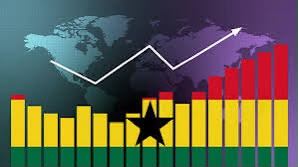
That shows how exposed Ghana remains to external shocks despite being an oil-producing country.
Each new geopolitical crisis revives the same questions about domestic refining capacity, strategic fuel resilience, gas utilisation and the need to reduce dependence on imported refined products.
What happens next
Whether the increases persist will depend largely on developments in global oil markets.
If tensions ease and crude prices retreat, some of the increase could be reversed in later pricing windows.
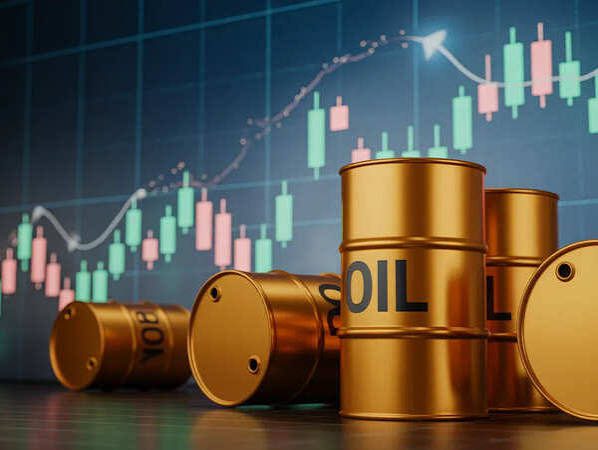
If geopolitical risks remain elevated, however, petroleum prices could stay under pressure and expose households and businesses to further cost increases.
For now, the August pricing window is shaping up as an important test of whether Ghana’s improving macroeconomic conditions can withstand another round of external energy and exchange-rate shocks.
READ MORE: Ghana Faces Staggering $37bn Annual Urban Infrastructure Investment Gap- World Bank