
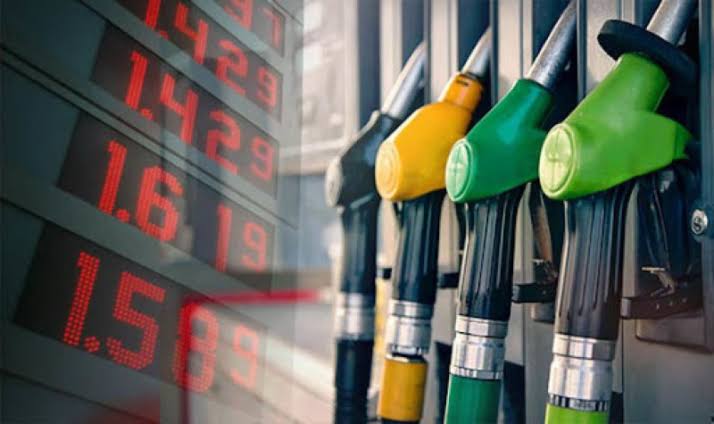
Fuel prices in Ghana are set to rise further after the National Petroleum Authority (NPA) increased the price floors for petrol, diesel and liquefied petroleum gas (LPG) for the first pricing window of August 2026, deepening concerns over inflation, transport fares and the cost of doing business.
The latest benchmark adjustments, published by the NPA, mark the second consecutive upward revision in fuel price thresholds within a few weeks and point to sustained pressure from higher international oil prices and the weakening of the Ghana cedi.
Diesel recorded the sharpest increase, with its price floor rising from GH¢14.35 to GH¢16.97 per litre, an increase of GH¢2.62 or 18.3 per cent.
Petrol increased from GH¢13.28 to GH¢14.53 per litre, representing a rise of GH¢1.25 or 9.4 per cent, while LPG moved from GH¢10.19 to GH¢11.06 per kilogram, an increase of GH¢0.87 or 8.5 per cent.
LPG marketing companies (LPGMCs) and oil marketing companies (OMCs) must observe these new price floors minimum retail threshold during the pricing window, although final pump prices may be higher once additional margins and premiums are added.
Diesel emerges as the biggest economic concern
Among the three products, the diesel increase is attracting the greatest attention because of its broader impact on economic activity.
Diesel is the primary fuel for commercial transport, mining operations, construction equipment, manufacturing plants, agricultural machinery and many backup generators used by businesses across the country.

An 18.3 per cent jump in the benchmark price is therefore expected to raise operating costs across several productive sectors simultaneously.
The diesel adjustment is one of the largest increases in recent pricing windows and is likely to have a significant multiplier effect across transport, logistics, industry and agriculture
Energy analysts.
Unlike petrol, which is more closely associated with private vehicle use, diesel is deeply embedded in supply chains.
Higher diesel costs often feed into freight charges, food transportation, industrial production and construction activity, making it a particularly sensitive driver of inflation.
Why the price floors matter
The benchmark floors do not represent the final prices motorists will pay at filling stations.
Additional charges, including international trading premiums, bulk import and distribution costs, and the margins set by marketers and dealers under Ghana’s petroleum pricing framework, are added separately and can push pump prices above the published thresholds.
In practice, this means many filling stations could price fuel above the new floors, especially if replacement costs continue to rise during the pricing period.
The benchmark increases therefore signal the direction of the market rather than the exact price motorists will encounter at every station.
Global oil prices and the cedi are driving the surge
The latest adjustments are being driven by two powerful external factors: rising international petroleum prices and the depreciation of the Ghana cedi.
Brent crude prices have strengthened following renewed geopolitical tensions involving the United States and Iran, while refined petroleum product prices have also moved upward on international markets.
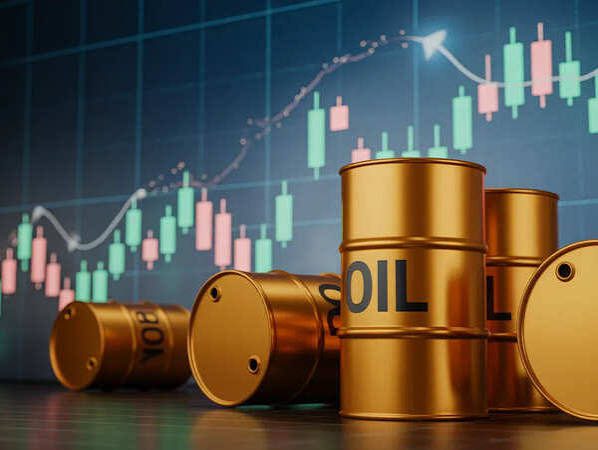
At the same time, the Bank of Ghana’s July 2026 Summary of Economic and Financial Data showed that the cedi had depreciated 9.5 per cent against the US dollar by the end of July.
Because petroleum imports are priced in dollars, a weaker cedi increases the local currency cost of every shipment of crude oil and refined products entering the country.
The current combination of higher global product prices and exchange-rate weakness is creating sustained upward pressure on domestic fuel prices.
Market observers noted
Transport fares and inflation under pressure
The immediate economic question is how quickly the fuel increases will be transmitted to consumers.
Transport operators have already warned that sustained fuel increases could force fare adjustments, while businesses dependent on distribution networks are expected to face higher logistics costs.

If transport fares rise, the impact could spread rapidly through food markets, retail distribution and household expenditure.
Workers who rely on commercial transport would face higher commuting costs, while traders transporting goods from production areas to urban centres would encounter increased operating expenses.
The inflationary effect may therefore extend beyond the fuel pump.
Households face a double energy burden
The increase in LPG prices adds another layer of pressure for households.
While the 8.5 per cent rise is smaller than diesel’s jump, LPG remains a critical cooking fuel for many urban and peri-urban households.
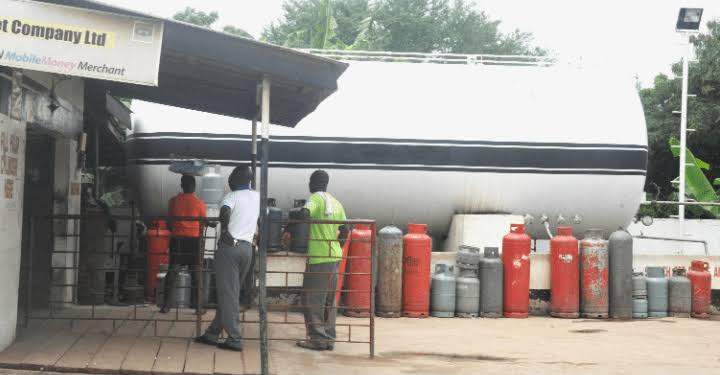
Higher LPG costs could force some families to reduce consumption, delay cylinder refills or seek cheaper alternatives, raising concerns for clean cooking and household welfare.
The simultaneous increase in transport fuel and cooking fuel means many households could experience higher energy costs on multiple fronts.
A test for Ghana’s energy policy
The latest price movements also highlight a deeper structural issue: Ghana remains highly exposed to international petroleum markets despite being an oil-producing country.
Domestic refining at the Tema Oil Refinery may improve supply security and reduce some import-related costs, but it does not automatically insulate consumers from global crude prices and exchange-rate movements when crude is acquired on commercial terms.
The current episode is therefore less a failure of pricing policy than a reminder of the limits of domestic control in a globally connected oil market.
What happens next?
The outlook for the first August pricing window remains challenging.
If international product prices continue rising or the cedi weakens further, additional upward pressure could emerge during the next review cycle.
Conversely, a pullback in global oil prices or a stronger cedi could provide some relief.
For now, however, the signal from the NPA’s new benchmarks is clear: fuel costs are moving higher, and the economic effects are unlikely to be confined to motorists alone.
The coming weeks will reveal whether transport fares, food prices and business costs begin to adjust in response to the latest fuel surge, potentially making energy prices one of the most important drivers of inflationary pressure in the second half of 2026.
READ MORE: Burnham Targets Defence and Jobs With £8.4bn Nuclear Submarine Investment