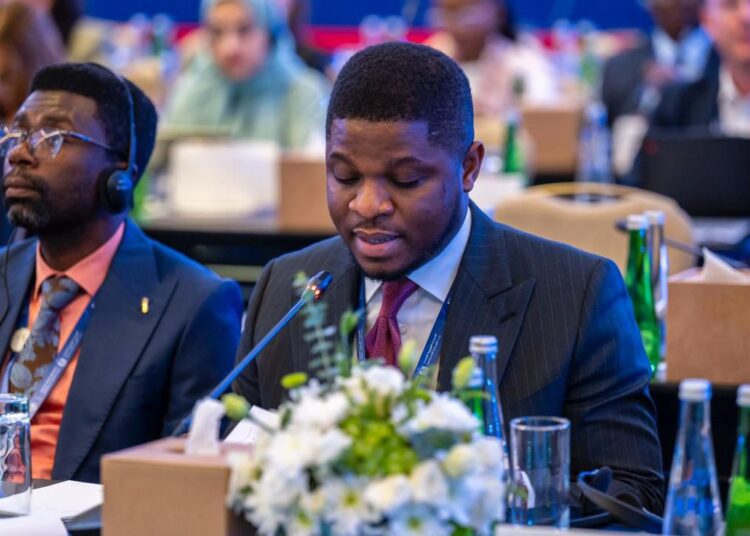
Sammy Gyamfi, the Chief Executive Officer of the Ghana Gold Board (GoldBod), has revealed plans to launch gold-backed tokenised investment assets to democratise resource wealth and widen domestic ownership of Africa’s mineral reserves.
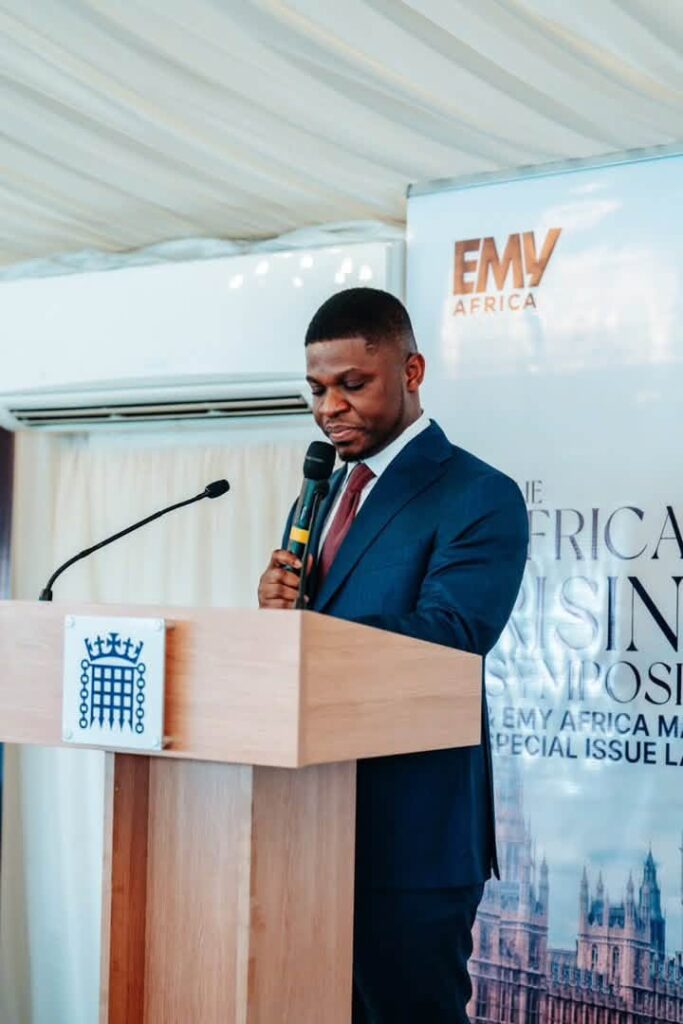
Speaking in London, Gyamfi stressed that this forthcoming financial rollout will establish an innovative investment pathway designed to empower Africans to hold direct equity in the continent’s rich mineral endowments.
By converting physical gold into secure digital assets, the initiative aims to bridge the historical divide between resource extraction and equitable domestic wealth distribution across African markets.
“Just in case you are yet to hear, we will soon be rolling out our gold-backed tokenisation investment assets which will open the way for more Africans to own the mineral wealth of Africa. My brothers and sisters, Africa’s rise must not mean African resources rising into foreign balance sheets while the African youth remain unemployed. Africa’s rise must mean African resources creating African industries, African jobs, African brands, African wealth, African reserves, and African dignity.”
Sammy Gyamfi, the Chief Executive Officer of the Ghana Gold Board (GoldBod)
The GoldBod head outlined how the strategy reflects a broader structural intervention designed to transform Ghana’s mining ecosystem from a raw export model into a self-sustaining economic engine.
The upcoming tokenised platform builds directly upon GoldBod’s foundational achievements in curbing illicit gold smuggling, formalising trade supply chains, and strengthening national foreign exchange generation.
Under the broader policy direction of John Mahama, who is driving an economic reset to ensure Africans control the commanding heights of vital sectors, GoldBod acts as a strategic state architect.
By introducing transparent investment vehicles, the state body intends to retain processing, pricing power, and financial returns within the continent rather than surrendering value to foreign entities.
Mobilising Diaspora Capital Beyond Traditional Remittances
The call by GoldBod’s chief executive stems from an urgent structural reality: despite Africa’s vast natural resources, millions of young Africans lack access to capital, mentorship, and productive employment.
Gyamfi pointed out that while historical remittances from the global diaspora have served as essential lifelines for family healthcare, education, and household survival, they do not function as self-sustaining economic engines.
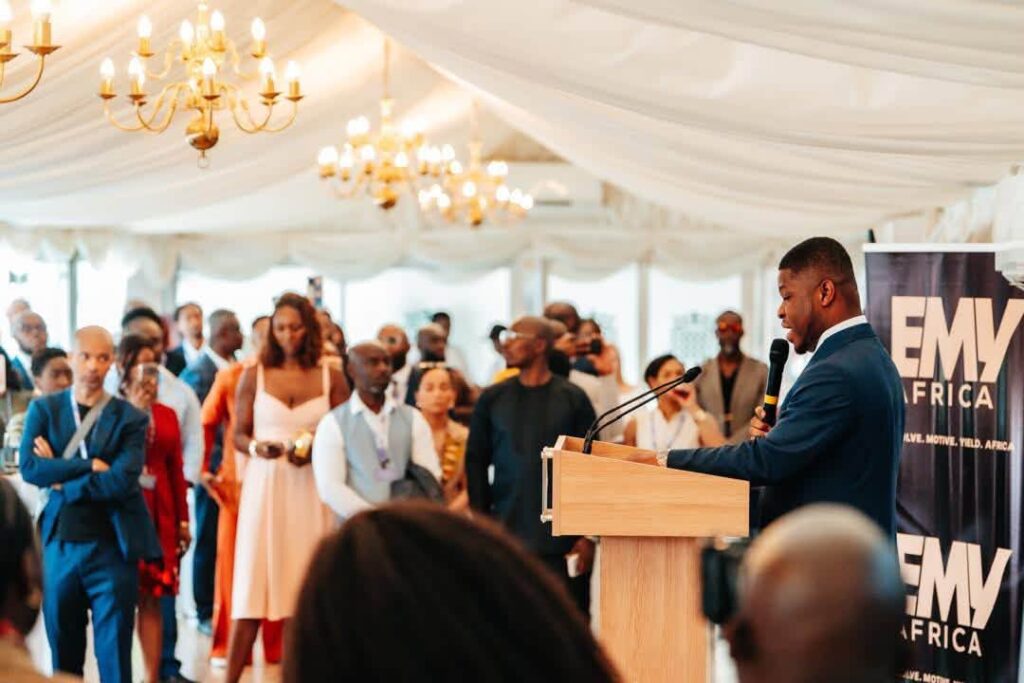
The diaspora must now transition from an emergency support mechanism into strategic co-architects of African industrialisation by redirecting funds toward productive sectors such as manufacturing, agribusiness, green energy, and logistics.
Furthermore, Gyamfi highlighted that capital extends beyond monetary transfers; exposure to efficient governance, specialized technical capabilities, global financial networks, and systemic operational expertise represent critical forms of capital.
Whether it is a Ghanaian engineer in Birmingham, a Nigerian banker in New York, or a Senegalese logistics expert in Paris, African professionals abroad possess vital capabilities required home.
Rather than merely sending money home to sponsor ceremonies or construct residential houses, the diaspora is urged to “send systems home” and sponsor enterprises that employ African graduates.
Restructuring Extractive Ecosystems for Value Addition
At the core of GoldBod’s operational philosophy is resolving Africa’s persistent extractive paradox where the continent remains mineral-rich yet poor in terms of retained value.
Historically, African nations have exported unprocessed raw minerals while importing high-value finished products made from those very resources.
GoldBod demonstrates what occurs when a state institution acts not merely as a passive regulator, but as an active driver of value retention, local participation, and industrialisation. Organising gold trading into a transparent, accountable, and formalised framework allows gold to move from a basic extracted commodity to a robust foundation for national economic stability.

To ensure these commercial frameworks succeed, Gyamfi laid out clear suggestions for deep diaspora engagement alongside commitments expected from African governments.
He urged the diaspora to finance scaling enterprises, engage through bankable shared-risk models, and build structured investment vehicles focused on value addition.
Concurrently, African governments must guarantee institutional transparency, policy stability, and absolute respect for the sanctity of contracts to build enduring investor confidence. Sentiment and speeches are insufficient unless backed by organized institutional vehicles that endure.
Securing Economic Sovereignty and Future Dignity
Ultimately, the drive initiated by GoldBod seeks to redefine Africa’s posture in the global economy.
Sammy Gyamfi challenged the world’s standard narrative that views Africa merely as a raw mineral source, a passive consumer market, or a reserve of cheap labour.
Instead, the continent must aggressively assert itself as an owner, producer, innovator, and market-maker on terms designed by Africans for mutual global benefit. The goal is to ensure that natural wealth under the soil transforms directly into skill, balance sheet equity, and dignified hope for the youth.

Moving forward, the success of this economic vision hinges on active collaboration between visionary public leadership, ambitious local businesses, and an empowered global diaspora.
By organizing diaspora love and expertise into durable platforms, funds, and standards, Africa can convert its immense natural endowment into lasting national development.
As GoldBod prepares its gold-backed assets, the message remains clear: the time to build a self-reliant, structurally sound African economy owned by its people is now.
READ ALSO: Ghana Faces Staggering $37bn Annual Urban Infrastructure Investment Gap- World Bank