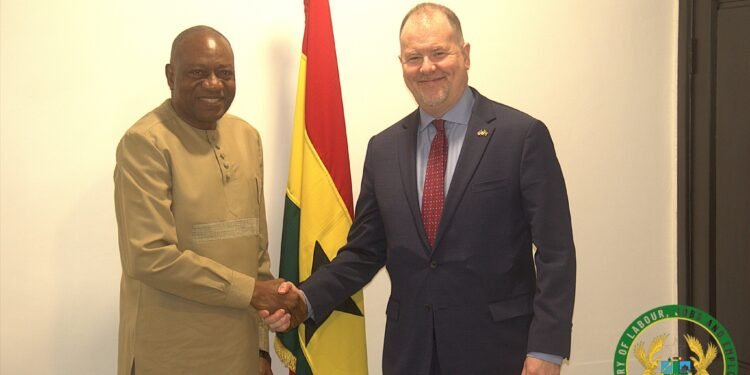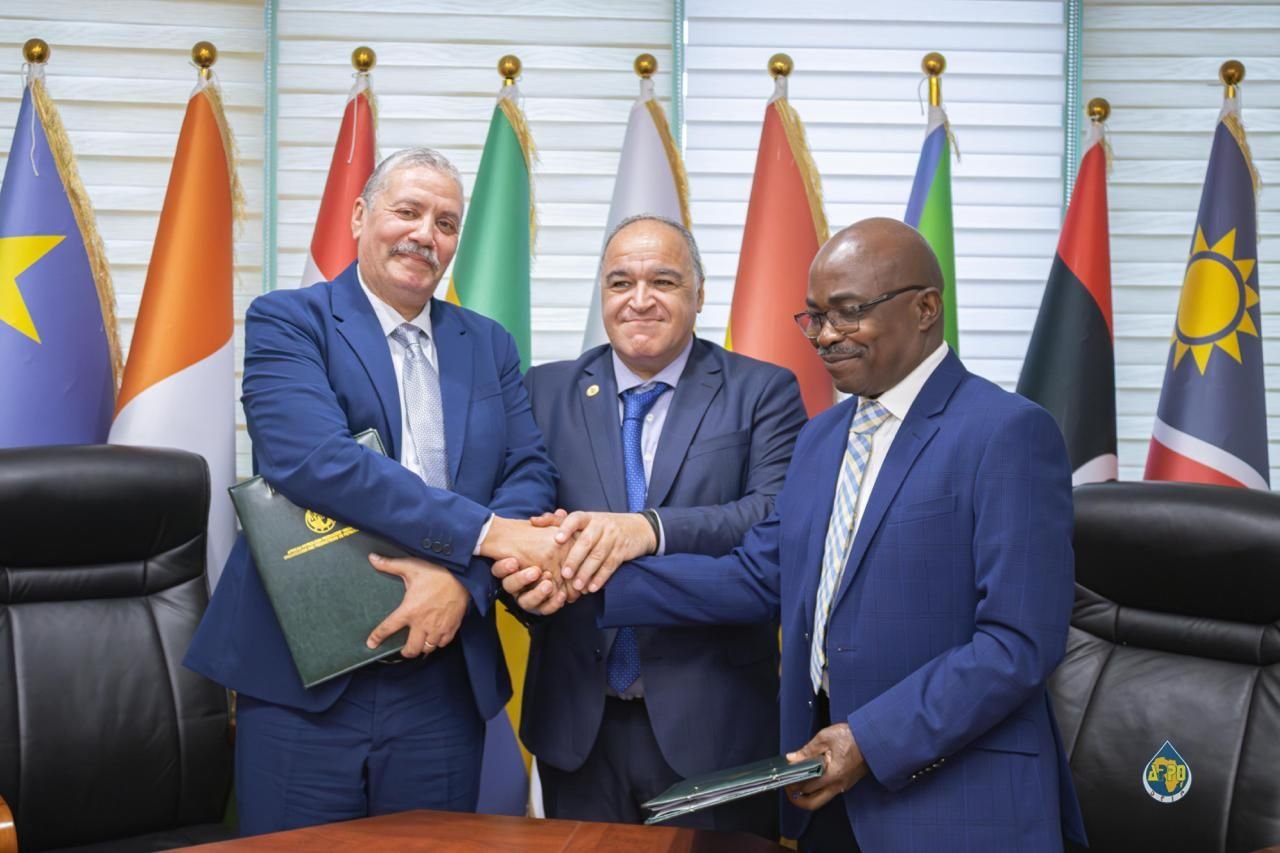
Africa’s energy sector has taken a significant step toward deeper collaboration and innovation following the signing of a Memorandum of Understanding (MoU) between Algeria’s state-owned oil company Sonatrach and the Ghana National Petroleum Corporation (GNPC).
The agreement, signed in Brazzaville, Republic of Congo, under the auspices of the African Petroleum Producers Organization (APPO), marks a significant step toward strengthening African-led solutions for energy security and sustainable development.
The African Energy Chamber (AEC) welcomed the agreement, describing it as a clear signal of Africa’s readiness to move its energy industry into a more advanced and competitive phase.
“The African Energy Chamber expresses its full support for Sonatrach and GNPC in advancing African-led R&D collaboration.”
African Energy Chamber (AEC)
According to the Chamber, the partnership highlights the growing recognition among national oil companies that technology and knowledge-sharing are critical to unlocking value and ensuring long-term competitiveness.
The MoU was signed in the presence of APPO’s newly appointed Secretary General, Farid Ghezali, underscoring the organization’s role as a convening force for Africa’s petroleum producers. The AEC noted that APPO has become central to facilitating high-impact partnerships across the continent.
“The agreement signifies APPO as not only an instrumental part in facilitating the partnership but a central force in bringing all parties together to ratify this important deal.”
African Energy Chamber (AEC)
The Chamber added that under Ghezali’s leadership, APPO continues to demonstrate its commitment to unifying nations and the broader energy industry.


A Forward-Looking Scope of Cooperation
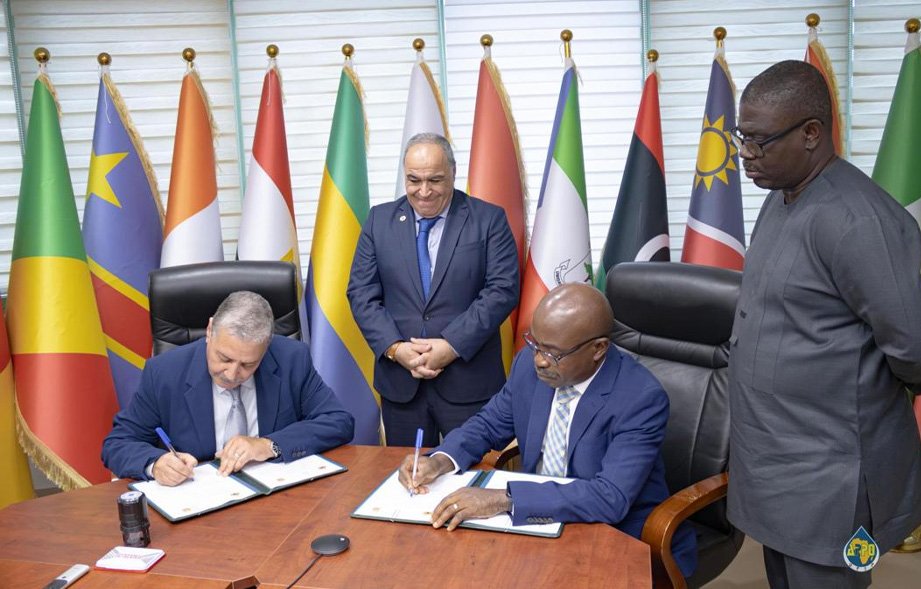
At the core of the Sonatrach–GNPC partnership is a comprehensive and forward-looking R&D agenda. The MoU establishes a framework for assessing joint opportunities, sharing expertise and creating structured working mechanisms to support hydrocarbon development for energy security and sustainable growth.
The areas of cooperation span advanced onshore and offshore seismic technologies, including high-definition processing, artificial intelligence-enabled subsurface analysis, 4D seismic imaging and real-time reservoir modeling.
These capabilities are expected to improve recovery rates, extend the life of producing assets and maximize returns from existing infrastructure.
The agreement also covers digital wells and digital oilfields, enhanced and improved oil recovery techniques, stratigraphic exploration objectives and integrity and corrosion management.
According to the AEC, these technologies directly address cost reduction and operational efficiency, two pressing challenges facing Africa’s upstream sector.
Beyond traditional upstream activities, the partnership embeds energy transition and environmental priorities into its framework. Cooperation will include carbon footprint reduction, low-carbon industrial solutions, hydrogen and green technologies, as well as water and waste treatment and air pollution mitigation.
“This reflects a pragmatic African approach: developing hydrocarbons responsibly while embedding sustainability and emissions management into project design and operations from the outset.”
African Energy Chamber (AEC)
The Chamber emphasized that Africa’s development needs require a balanced approach that leverages oil and gas resources while aligning with global climate goals.
Strategic Timing for Ghana’s Energy Sector
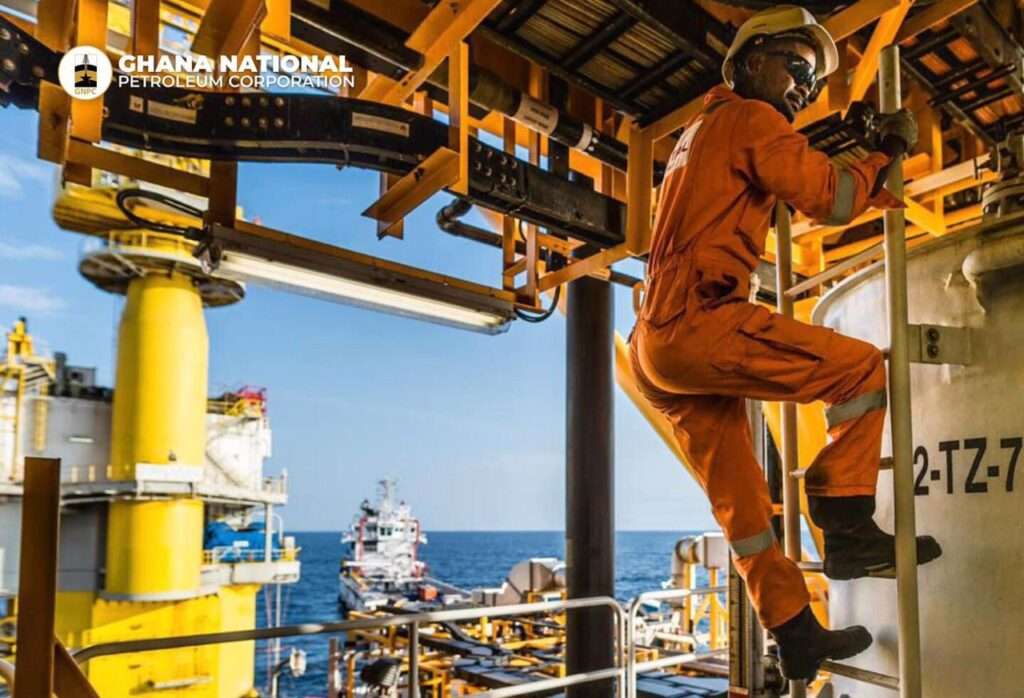
For Ghana, the MoU comes at a pivotal moment. The country is working to revitalize oil production, diversify its industry through gas development and strengthen regional energy growth.
With 17 oil and gas projects scheduled for development by 2027, Ghana is ramping up exploration, production and private sector participation.
Recent developments point to renewed momentum. Kosmos Energy recently announced the successful drilling and completion of the J-74 well as part of the 2025–2026 Jubilee field development campaign.
In partnership with GNPC and Tullow, the company plans to drill 20 wells at Jubilee under a $2 billion upstream expansion plan, with five wells slated for 2026.
Alongside oil, Ghana is advancing gas monetization efforts, targeting more than 2.1 trillion cubic feet of available resources. Projects such as a planned second gas processing plant with a capacity of 150 million standard cubic feet per day are expected to complement existing infrastructure like the Atuabo Gas Processing Plant.
As one of Africa’s largest oil and gas producers, Algeria brings significant technical expertise and operational experience to the partnership.
Sonatrach is advancing an ambitious five-year strategy that could mobilize up to $60 billion in investment, prioritizing sustained exploration and production while modernizing downstream infrastructure.
The AEC noted that Algeria’s approach reinforces its role as a continental energy leader and creates opportunities for knowledge transfer.
Through collaboration with GNPC, Sonatrach’s experience in balancing hydrocarbons development with sustainability objectives can be leveraged to support Ghana’s goals.
African-Led Innovation for Energy Security
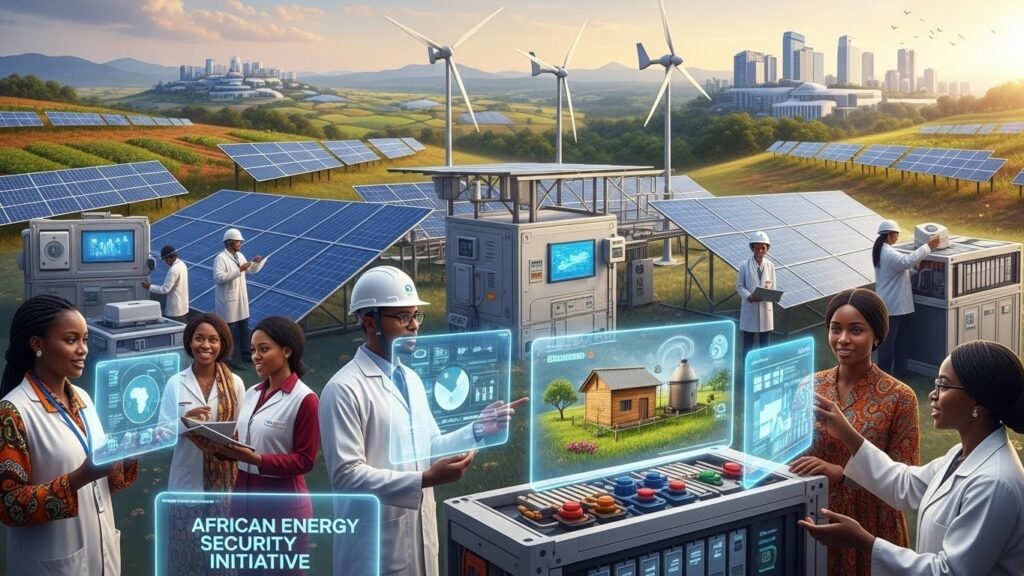
The African Energy Chamber described the MoU as a strong precedent for African-led energy development.
“The partnership reflects a growing recognition among national oil companies that innovation, technology and knowledge-sharing are essential to unlocking value and reducing costs.”
African Energy Chamber (AEC)
AEC Executive Chairman NJ Ayuk emphasized the broader significance of the agreement, stating that African national oil companies are increasingly investing in innovation to secure the continent’s energy future.
He noted that while Africa continues to rely on oil and gas for development, partnerships like this ensure those resources deliver long-term value for economies and communities.
As Sonatrach and GNPC move forward with their R&D collaboration, industry observers say the partnership underscores a clear message: Africa is taking greater ownership of its energy destiny through cooperation, innovation and sustainable development.
READ ALSO: Lebanese Army Completes First Phase Of Disarming Non-state Groups