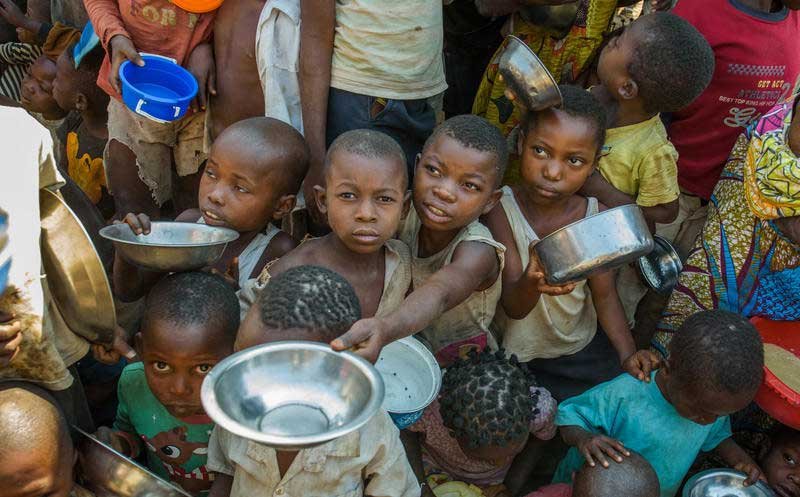
Ghana’s multidimensional poverty rate has declined significantly, offering fresh optimism about improving living standards across the country.
According to the latest Multidimensional Poverty Index report released by the Ghana Statistical Service, the proportion of Ghanaians living in multidimensional poverty fell from 23.9 percent in the first quarter of 2025 to 21.9 percent by the third quarter of the same year. The report highlights that this progress reflects better access to basic services and improved living conditions for many households nationwide.
The decline marks one of the most notable improvements recorded in recent years and signals that targeted interventions and gradual economic recovery may be yielding results. Multidimensional poverty measures deprivation beyond income, capturing gaps in health, education, employment, and living conditions. As such, the improvement suggests broader social gains rather than temporary income effects.
Hundreds of Thousands Exit Poverty
One of the most striking findings in the report is the speed at which people exited multidimensional poverty within a short period. Between the second and third quarters of 2025 alone, more than 360,000 people moved out of poverty. Over a longer horizon, approximately 950,000 individuals escaped multidimensional poverty between the third quarter of 2024 and the third quarter of 2025.
This scale of improvement underscores the impact of incremental gains in public services, employment opportunities, and household welfare. The Ghana Statistical Service notes that while the figures are encouraging, sustaining this momentum will require consistent policy focus and adequate funding for social and economic programs.
Deep Regional Inequalities Persist
Despite the national progress, the report reveals sharp regional disparities that continue to shape poverty outcomes. The North East and Savannah Regions remain the most affected, with poverty incidence still exceeding 50 percent. In contrast, Greater Accra and the Western Region maintain poverty levels below 20 percent.


These contrasts highlight persistent geographic inequalities that have long characterized Ghana’s development landscape. While urbanized and economically diversified regions benefit from better infrastructure and employment opportunities, many northern and rural areas continue to struggle with limited access to essential services and productive livelihoods.
Rural Areas Lag Behind Urban Centres
The rural urban divide remains one of the most pronounced features of multidimensional poverty in Ghana. Poverty incidence in rural areas is estimated at 31.9 percent, compared to 14.2 percent in urban areas. This represents an 18 percentage point gap that underscores structural disadvantages faced by rural communities.
Limited access to quality healthcare, education, sanitation, and decent jobs continues to weigh heavily on rural households. The report suggests that closing this gap will require deliberate investment in rural infrastructure, agriculture modernization, and off farm employment opportunities to reduce vulnerability.
Health and living conditions emerge as the largest contributors to multidimensional poverty in Ghana. Health related deprivations account for 40.9 percent of overall poverty, largely driven by gaps in health insurance coverage and access to quality healthcare services. Poor living conditions contribute 33.8 percent, reflecting challenges such as overcrowding, inadequate nutrition, poor sanitation, and substandard housing.
These findings indicate that poverty reduction efforts must go beyond income support to address service delivery gaps. Expanding health insurance coverage and improving the quality of basic amenities could significantly reduce deprivation levels, particularly among vulnerable households.
Education and Employment Offer Protection
The report reinforces the critical role of education and employment in shielding households from poverty. Poverty incidence among households with no formal education stands at 38.5 percent, compared to just 5.7 percent among those with tertiary education. This stark contrast highlights education as a powerful tool for social mobility and resilience.
Employment status also plays a decisive role. Unemployed persons record a poverty incidence of 35.6 percent, while individuals in formal public and private sector employment record rates of about 5 percent. These figures emphasize the importance of decent job creation and skills development in national poverty reduction strategies.
Vulnerable Groups Still at Risk
Despite overall progress, vulnerable groups remain disproportionately affected by multidimensional poverty. Persons with disabilities, female headed households, and those engaged in informal economic activities continue to face higher deprivation levels. Communities located in high poverty regions are also more exposed to persistent hardship.
The report further notes a slight increase in the share of the population facing a triple burden of unemployment, poverty, and food insecurity. This proportion rose from 1.4 percent in the second quarter of 2025 to 1.5 percent in the third quarter, representing about 227,500 people. While the increase is modest, it signals underlying vulnerabilities that require urgent attention.
Sustaining the Gains
The Ghana Statistical Service emphasizes that sustaining and deepening poverty reduction will require targeted social protection programs, expanded healthcare coverage, improved education outcomes, and the creation of decent jobs, particularly in rural and high poverty areas. Without deliberate efforts to address inequality and vulnerability, recent gains could prove fragile.
As Ghana records this sharp drop in multidimensional poverty, the challenge now lies in transforming short term progress into long term, inclusive development that leaves no region or group behind.