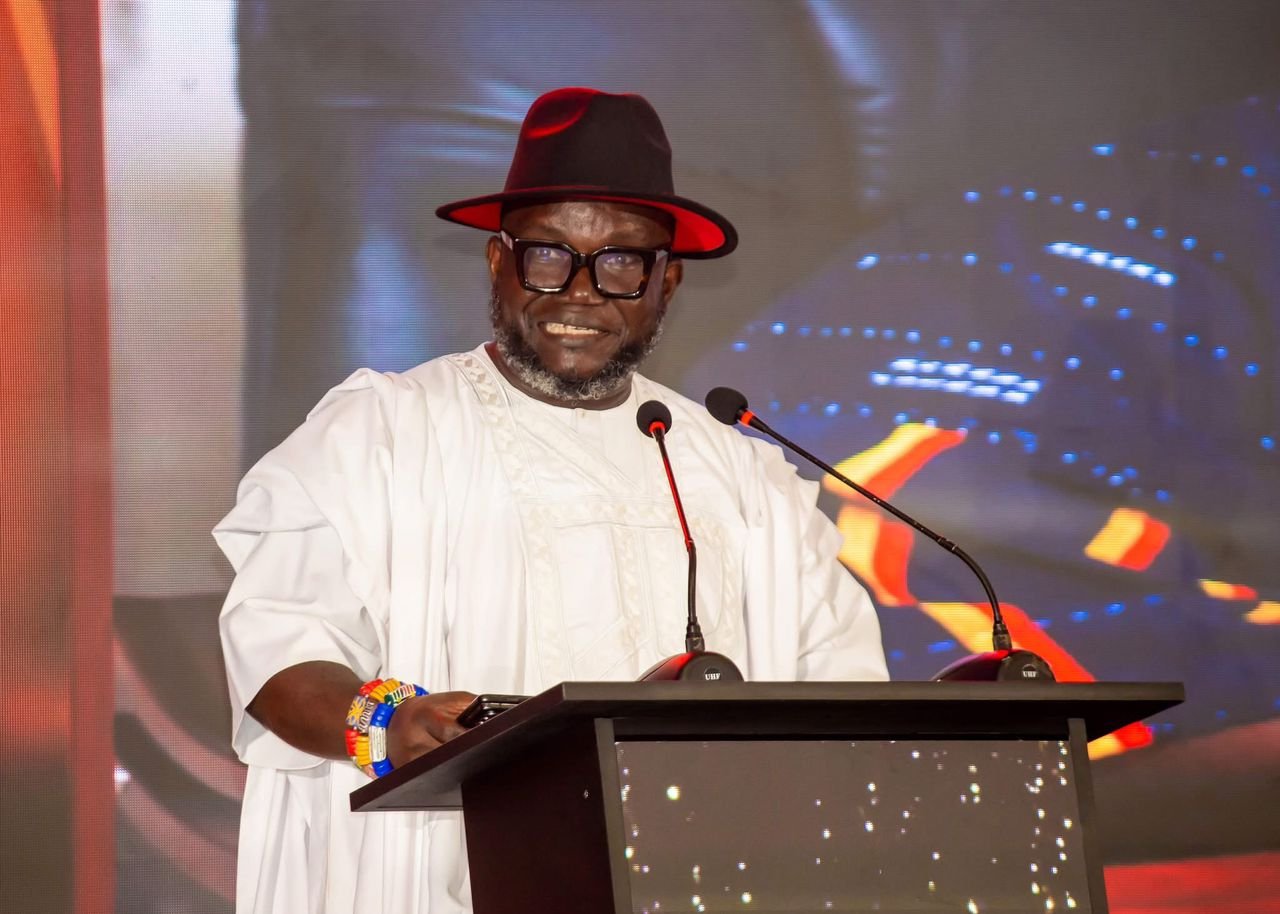
Chief Executive Officer of the Ghana Chamber of Mines, Ing. Ken Ashigbey, has lauded the recent gold refining agreement between the Ghana Gold Board (GoldBod) and Gold Coast Refinery, describing the partnership as a fundamental pivot for the nation’s extractive industry.
This landmark deal, which facilitates the domestic refining of gold, is seen as the primary vehicle for Ghana to finally secure the prestigious London Bullion Market Association (LBMA) accreditation, a status that would validate the country’s gold on the global stage.
By moving away from the traditional export of raw bullion, the agreement sets the stage for a sophisticated value-addition chain that ensures the “Gold Coast” brand is synonymous with high-purity, finished products rather than just raw extraction.
“The Chamber’s commitment to local refining goes beyond rhetoric, as we have actively engaged stakeholders to build the technical foundations for LBMA accreditation. This agreement provides the stock and systems needed to initiate the accreditation process locally, marking a historic step toward national ownership. Once procedures are followed and volumes increase, Ghana will be well-positioned to achieve the turning point of full international certification.”
Ing. Ken Ashigbey

Dr. Ashigbey highlighted that the Chamber has been intentional in its engagement with international entities like Rand Refinery to build the necessary technical and institutional framework for this transition.
The collaboration is not merely a ceremonial gesture but a deliberate two-stage refining strategy designed to upgrade local capacity to meet the most rigorous international standards.
With the Bank of Ghana and GoldBod providing the regulatory backbone and the necessary stock, the initiative seeks to ensure that gold leaving the shores of Ghana is stamped with national identity and ownership.


This move is expected to eventually compel large-scale mining companies to shift their refining processes back home, thereby retaining substantial economic value within the local ecosystem.
Economic Transformation and Foreign Exchange Stability

From a macroeconomic perspective, this deal is projected to be a massive revenue generator for the state.
By refining gold locally starting with a minimum of one metric tonne per week Ghana will save millions of dollars in refining charges that were previously paid to foreign refineries in Switzerland, Dubai, and India.
Research suggests that local processing could retain between $99 million and $134 million in direct economic gains annually, depending on global gold prices.
This retention of value significantly bolsters the country’s foreign exchange reserves, providing the Bank of Ghana with a “non-debt” source of inflows that stabilizes the Cedi and mitigates inflation.
Furthermore, the 15% free-carried interest held by the government through GoldBod ensures that the state is not just a regulator but a direct beneficiary of the refinery’s profits.
This structural change in the mining sector is expected to eliminate historical purity losses and undervaluation issues that often occur when raw gold is assayed abroad.
By utilizing fire assay methods locally, Ghana gains the sovereign power to verify its own mineral wealth, ensuring that every ounce of gold earns its true market value.
Industrial Growth and Value Chain Integration

The integration of local refining into the mining sector marks the end of the “enclave economy” model where minerals are extracted and shipped with zero downstream impact.
The GoldBod–Gold Coast Refinery deal creates a critical link between the artisanal small-scale mining (ASM) sector and the formal industrial economy.
This formalization drive is expected to support over one million Ghanaians employed in the ASM sector by providing them with a transparent, premium-priced outlet for their produce.
Additionally, the availability of high-purity refined gold and silver locally will act as a catalyst for the jewelry and fabrication industry, creating thousands of secondary jobs.
Achieving LBMA accreditation will serve as the ultimate “seal of quality” that attracts large-scale mining firms to utilize domestic facilities.
This will transform Ghana into a regional refining hub for West Africa, drawing in gold from neighboring countries and further increasing tax revenues and logistics-related employment.
The move toward a 24-hour refining operation also aligns with broader national industrialization goals, ensuring that the mining sector becomes a sustainable engine for technological transfer and skilled labor development.
Sustainability and Global Market Credibility

Beyond the financial metrics, this deal establishes a robust “track-and-trace” system that aligns Ghana with OECD and LBMA guidelines for responsible sourcing.
By ensuring that gold is mined without child labor or environmental degradation, the agreement enhances the “brand equity” of Ghanaian gold, making it more attractive to ethical investors and institutional buyers.
This commitment to sustainability is crucial for long-term market access, as global consumers increasingly demand transparency in the precious metals supply chain.
With the inclusion of Rand Refinery Africa’s only current LBMA member as a partner, the technical mentorship provided will ensure that Ghana’s local expertise is fast-tracked.
As the sector evolves from mere extraction to high-end processing, the lasting national benefits will include a more resilient economy, a stabilized currency, and a mining industry that truly reflects the country’s heritage and economic potential.
READ ALSO: Boatemaa Barfour-Awuah Becomes GIA President