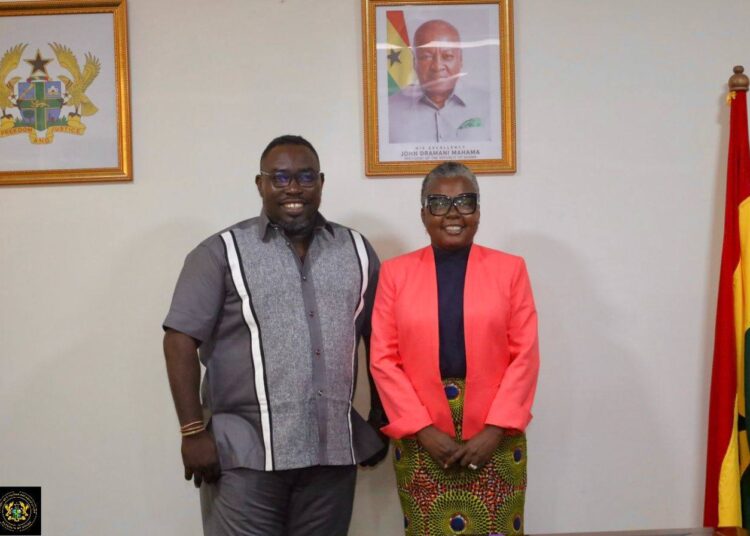
Ghana’s “Blue Economy” is on the verge of a technological leap following high-level discussions between the Ministry of Fisheries and Aquaculture Development (MoFAD) and Flosell Limited. The engagement, led by Hon. Emelia Arthur and Flosell Co-Founder Mr. Evans Kwadzo Danso, focused on a proposal to launch the country’s first large-scale offshore mariculture operation.
This initiative, to be executed through Flosell’s subsidiary, Gold Coast Mariculture Limited, aims to move fish farming from land-based ponds and lake cages into the deep waters of the Atlantic, utilizing advanced Norwegian expertise to bridge Ghana’s widening protein gap.
“This project is designed to be transformational. Beyond addressing the fish deficit, it will create up to 3,000 direct and indirect jobs, stimulate coastal economies, and position Ghana as a leading mariculture hub in the West African sub-region”
Mr. Evans Kwadzo Danso, Flosell Co-Founder
The move comes at a critical time for national food security. According to industry data presented during the talks, Ghana currently faces a “staggering annual fresh fish deficit of approximately 700,000 metric tonnes.” With marine stocks like sardinella depleted to near-collapse levels, the state is increasingly looking toward aquaculture as the primary vehicle for sectoral transformation.
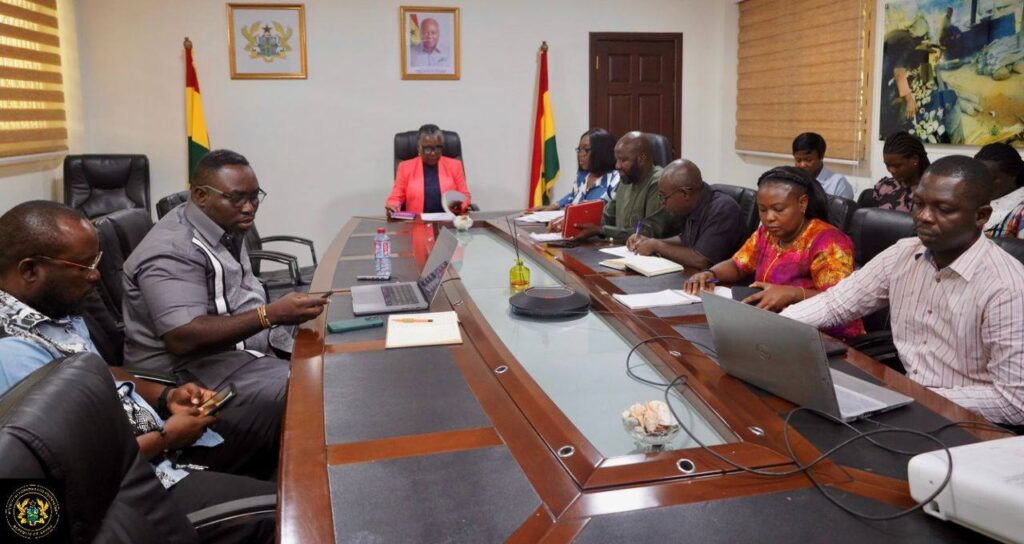
The proposed project represents more than just a farm; it is a strategic industrial reset. By deploying offshore cages in the marine environment, Gold Coast Mariculture intends to bypass the space and environmental constraints of inland lake farming.
Mr. Danso emphasized that the scale of this project is designed to be a “game-changer” for West Africa, providing a sustainable, local alternative to the country’s heavy reliance on frozen fish imports.
According to the Ministry of Fisheries and Aquaculture Development, the financial structure of the deal is particularly favorable for the national treasury.
The investment will be fully financed by Flosell Limited in partnership with Norwegian technical allies. This private-sector-led model ensures that the government incurs no capital expenditure, with the state’s role limited to providing the necessary maritime concessions and regulatory oversight.
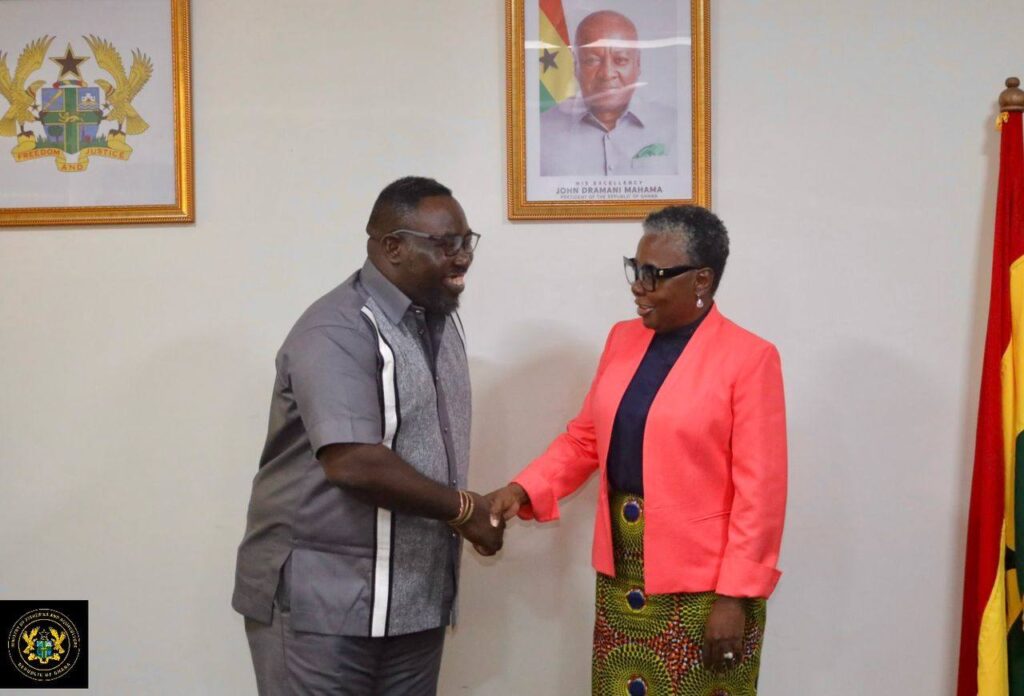
Strategic Alignment
Hon. Emelia Arthur welcomed the proposal, framing it as a vital pillar of the government’s Blue Economy Strategy, which stakeholders have hailed.
However, she underscored that the partnership must go beyond commercial harvesting. The Ministry is insisting on a “Blue Knowledge,” framework where the research, data, and technical innovations generated from this first-of-its-kind project are jointly developed, jointly owned, and fully aligned with Ghana’s national development priorities.
This requirement ensures that the technical expertise brought in by the Norwegian partners – global leaders in cold-water and deep-sea aquaculture – is effectively transferred to Ghanaian scientists and regulators. According to Hon. Arthur, this knowledge transfer is essential for building a resilient, modern aquaculture industry that can eventually compete on the international seafood market.
The project’s projected impact on the local labor market is substantial. By creating 3,000 jobs, Flosell is targeting a value chain that spans from high-tech offshore monitoring and vessel operations to downstream processing and distribution.
MoFAD noted that this aligns with the broader 24-Hour Economy vision, where offshore operations and processing plants can operate on multiple shifts to maximize output.
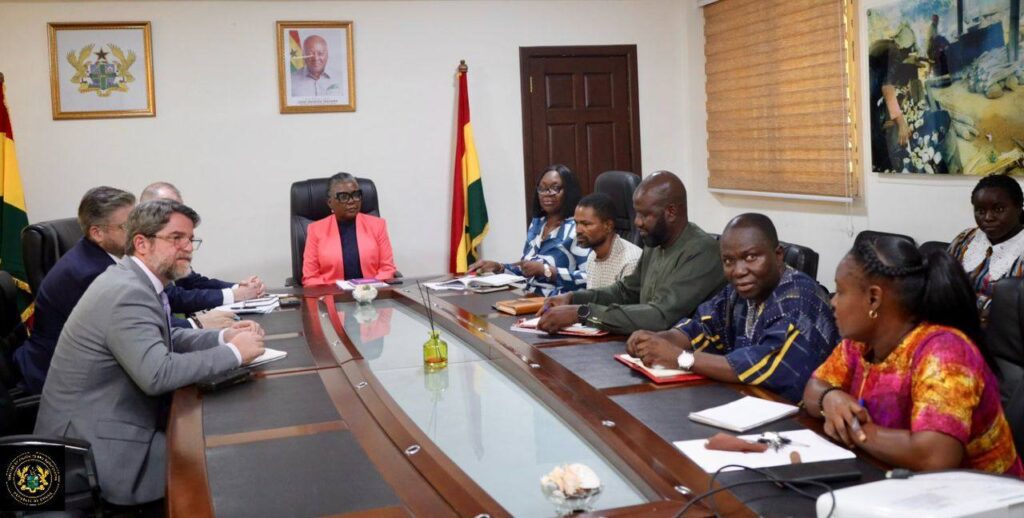
If successfully launched, Gold Coast Mariculture Limited will set a precedent for marine resource management in the Gulf of Guinea. By shifting the focus to offshore environments, Ghana can relieve pressure on its artisanal coastal fisheries while simultaneously scaling up production to meet the needs of a growing population.
READ ALSO: Mahama Reaffirms Ghana’s Commitment to APRM Peer Review