National Anti-Illegal Mining Operations Secretariat (NAIMOS) has apprehended three Chinese nationals and one Ghanaian for their involvement in illicit mining activities at Adum Banso K9 within the Mpohor District in the Western Region.
The high-stakes operation forms part of a broader tactical offensive to dismantle foreign-led “galamsey” networks that continue to threaten the ecological integrity of the Western Region.
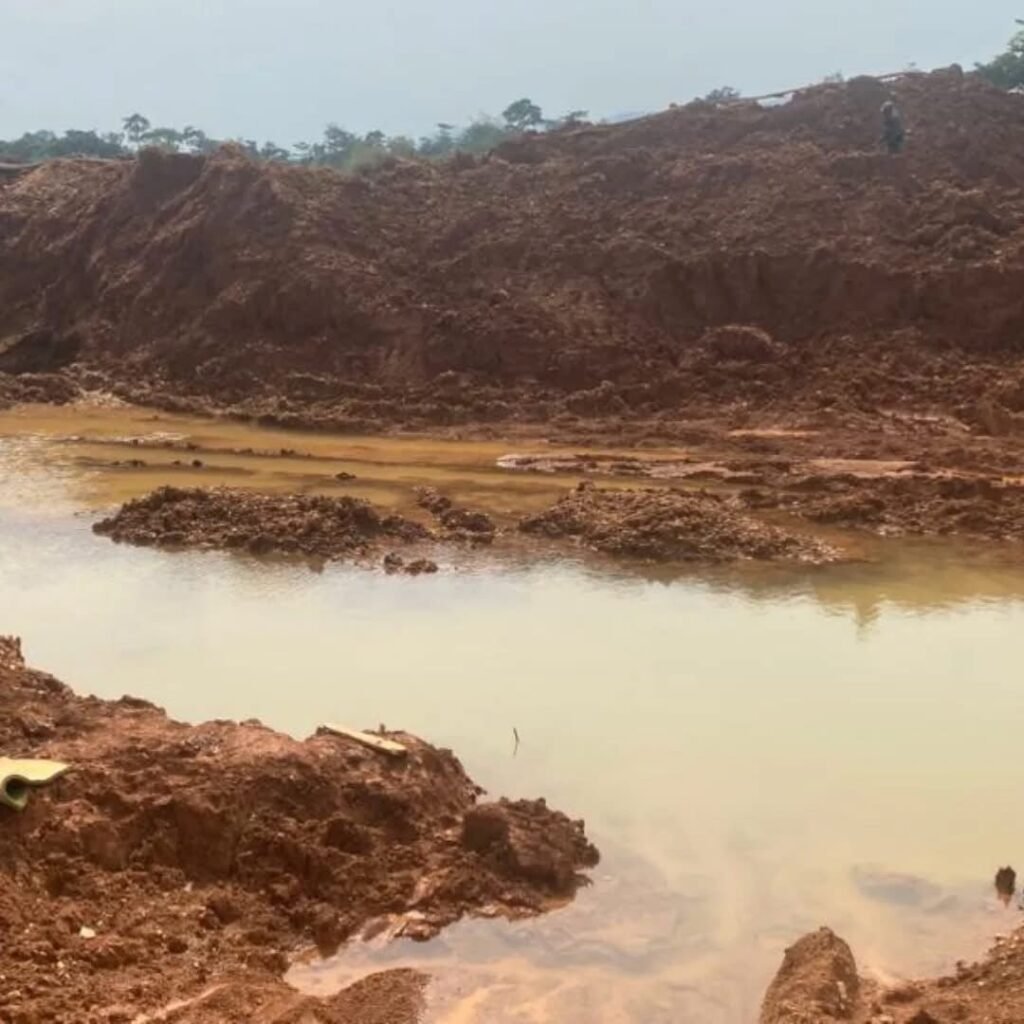
“NAIMOS remains resolute and unwavering in its mandate, as sustained operations continue to disrupt entrenched illegal mining networks that destroy cocoa farms, forest reserves, road infrastructure, and cause severe pollution of the nation’s water bodies.”
NAIMOS Communications

The swoop was an intelligence-led strike orchestrated by the Secretariat’s elite taskforce to catch the syndicate in flagrante delicto.
Upon arrival, the suspects attempted a high-speed escape using a Mitsubishi pickup and a Toyota Highlander but were intercepted by the tactical team before they could exit the perimeter.
Beyond the arrests, the team discovered that two excavators had been concealed in nearby vegetation; these were promptly immobilized by removing critical components, including control boards and oil pumps, to ensure the machinery could no longer be used to ravage the landscape.
Tactical Neutralization of Mining Infrastructure
The NAIMOS operation underscores a shift toward “surgical and intelligence-driven” enforcement.
By targeting the Adum Banso K9 enclave a known hotspot for encroachment NAIMOS is successfully transitioning from reactive patrols to proactive disruption.
The decision to disable excavators on-site, specifically due to the “unavailability of lowbed services,” reflects a pragmatic “neutralize-at-source” doctrine that prevents illegal miners from reclaiming equipment shortly after taskforce departures.
Under the command of Dr. Colonel Buah, the Director of Operations, the secretariat is prioritizing the severance of logistics.
The seizure of vehicles (Registration Nos. GT 3850-13 and GS 572-25) and the dismantling of processing equipment are vital steps in increasing the “cost of business” for illegal financiers.
Legal Recourse and Inter-Agency Synergy

The aftermath of the raid highlights a streamlined hand-over protocol designed to ensure that the foreign suspects face the full rigor of the law.
The Chinese nationals are currently at the NAIMOS Headquarters awaiting “handover to the Ghana Immigration Service,” while the Ghanaian foreman, Isaac Armah, has been processed at the Mpohor Police Station.
This multi-agency approach is critical for the extractive sector, as it bridges the gap between field arrests and successful prosecution a historical bottleneck in the fight against galamsey.
Environmental Defense in the Western Corridor

From a conservationist perspective, the Mpohor District represents a critical frontline in protecting Ghana’s agricultural heritage.
This operation directly contributes to the preservation of the Bonsa River catchment area and local cocoa plantations, which are often the first casualties of alluvial mining.
Despite “operational challenges including the lack of adequate patrol vehicles and drone surveillance,” the Secretariat’s ability to execute a surprise raid suggests a deepening of local intelligence networks.
For the extractive industry to remain sustainable, these “surgical strikes” must continue to deter the unregulated use of heavy machinery in sensitive forest reserves and water bodies.
READ ALSO: ECOWAS Launches Women Empowerment Pilot In Benue State