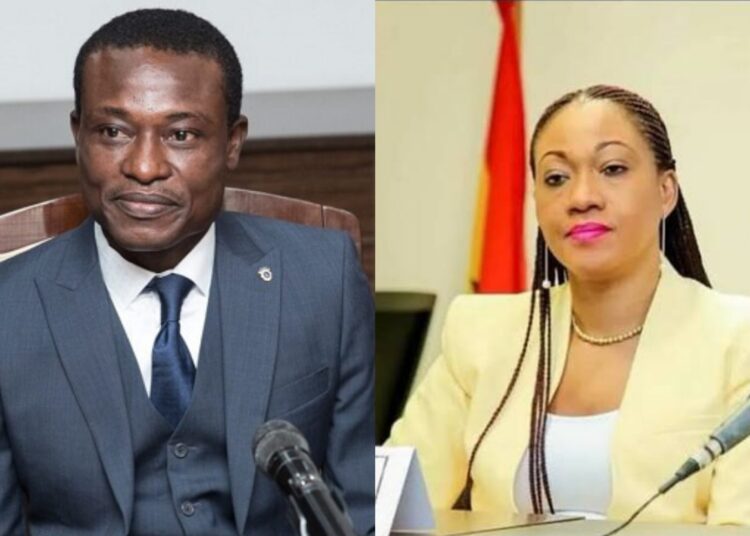
The Presidency has announced that petitions seeking the removal of the Chairperson of the Electoral Commission, her deputies, and the Special Prosecutor have failed to meet the constitutional threshold required to trigger further investigations.
The decision follows a formal determination by the Chief Justice that none of the petitions established a prima facie case. In a statement issued by Presidency Communications, President Mahama acted strictly in accordance with the 1992 Constitution and relevant statutes after receiving multiple petitions from individuals and groups.
The President referred the petitions to the Chief Justice to determine whether they disclosed sufficient grounds to warrant further action. According to the Presidency, the petitions were forwarded to Paul Baffoe-Bonnie on November 25, 2025.
After reviewing the submissions, the Chief Justice, in a letter dated January 26, 2026, informed the President that no prima facie case had been established against the Electoral Commission leadership or the Special Prosecutor.
As a result, the constitutional process for removal has effectively come to an end, as no committee will be constituted to inquire into the allegations contained in the petitions.
Officials Targeted by the Petitions
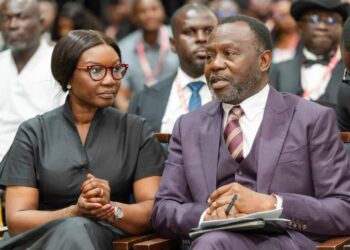
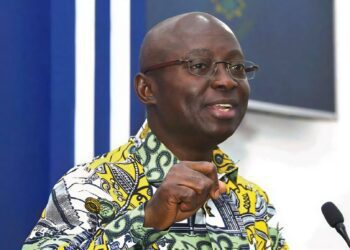
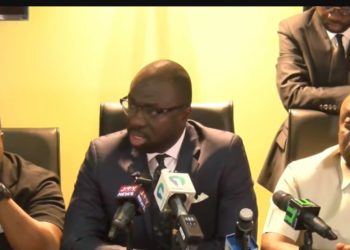
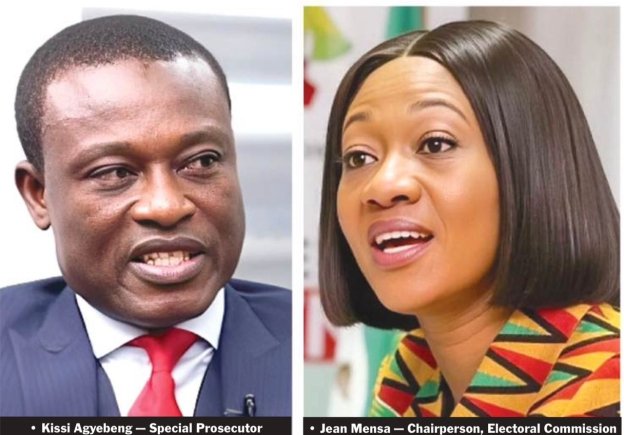
The petitions sought the removal of Electoral Commission Chairperson Jean Mensa, her deputies Bossman Asare and Samuel Tetteh, as well as Special Prosecutor Kissi Agyebeng.
Public debate around the petitions had intensified in recent months, driven by agitation from sections of the public calling for leadership changes within both the Electoral Commission and the Office of the Special Prosecutor.
Speaking earlier in a media interview, the Minister for Government Communications and Spokesperson to the President, Felix Kwakye Ofosu, explained that the President’s role in such matters is largely procedural.
He disclosed that the President received the petitions after weeks of public discussion and agitation but emphasized that the Constitution does not permit the President to act unilaterally on such requests.
Instead, once a petition is submitted, the President is mandated to transmit it to the Chief Justice for an independent assessment. According to him, the President’s actions were guided entirely by the law and aimed at safeguarding the independence of constitutional offices.
Article 146 and the Electoral Commission
Under Article 146 of the 1992 Constitution, the removal of an Electoral Commissioner is deliberately insulated from political interference. Once a petition is submitted, the President must forward it to the Chief Justice, who determines whether the allegations disclose a prima facie case.
If such a case is established, the Chief Justice sets up a committee to investigate the claims and make recommendations. The committee’s findings then inform whether the official should be removed on grounds such as stated misbehaviour or incompetence. In this instance, the Chief Justice’s determination that no prima facie case exists means the process ends without further inquiry.

The current petitions revived memories of the 2018 removal of Electoral Commission Chairperson Charlotte Osei and her deputies under the administration of Nana Addo Dankwa Akufo-Addo. In that case, a committee established by the then Chief Justice Sophia Akuffo found procurement breaches that warranted dismissal.
That precedent has remained a reference point in public discourse, with some commentators drawing parallels between past and present cases. However, constitutional experts have consistently noted that each petition stands or falls on its own merits, based strictly on the evidence presented.
Separate Process for Special Prosecutor
Unlike the Electoral Commission, the removal of the Special Prosecutor is governed by Section 15 of the Office of the Special Prosecutor Act, 2017, Act 959. The law requires that petitions be addressed to the President, who must forward them to the Chief Justice within seven days.
The Chief Justice then has thirty days to determine whether a prima facie case exists. Where such a case is established, a three member committee is constituted to investigate the allegations and make recommendations.
In this case, the Chief Justice found that the petitions against the Special Prosecutor also failed to meet the required threshold, bringing that process to a close as well.

The outcome reinforces the high bar set by Ghana’s constitutional framework for the removal of holders of independent offices. Supporters of the decision argue that it demonstrates the resilience of constitutional safeguards designed to protect institutions from political pressure.
For the Presidency, the episode underscores its insistence on strict adherence to due process, even amid heightened public debate. With the Chief Justice’s determination now communicated, the Electoral Commission and the Office of the Special Prosecutor are expected to continue their work without disruption.
READ ALSO: Ghana Clears GH¢10bn Debt Interest