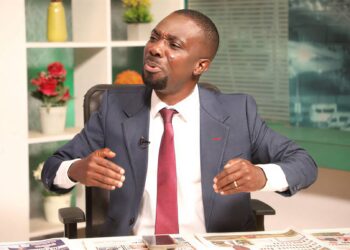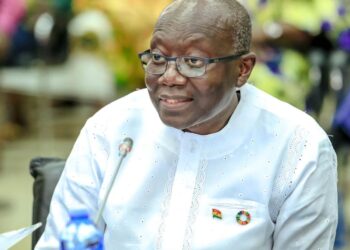
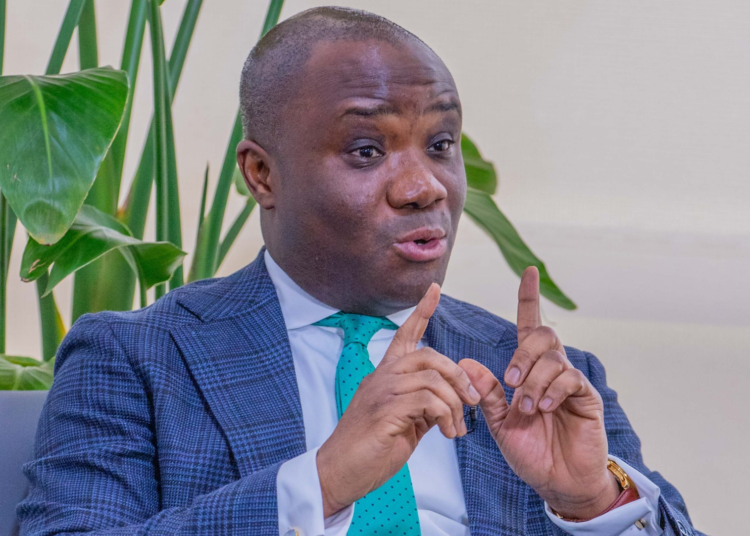
Presidential Spokesperson Felix Kwakye Ofosu has clashed publicly with Dennis Miracle Aboagye, an aspirant for the New Patriotic Party’s communications director role, over whether Ghana has earned the label “Cocaine Coast.” The exchange comes as the government works to contain fallout from cocaine consignments linked to the country.
The row grew out of Kwakye Ofosu’s rejection of the label while defending President John Mahama’s order to tighten port security. Aboagye dismissed that defence because the cocaine moved through Ghanaian ports before it was caught abroad.
Hon. Kwakye Ofosu did not soften his reply. “You are both a neophyte and a time waster,” he told Aboagye. He then challenged the NPP’s long-serving members to say whether “Cocaine Coast” and “Narcotics People Party” were descriptions they were hearing for the first time in Ghana’s history.
He closed his rebuttal with a roll call of names he said the party’s institutional memory would recognise: MV Benjamin, Asem Dake (the Limping Man), Tagor, Raymond Amankwa, Amfo Kwakye and Amoateng. The message was plain. In his telling, the party criticising the government has its own history on drugs.
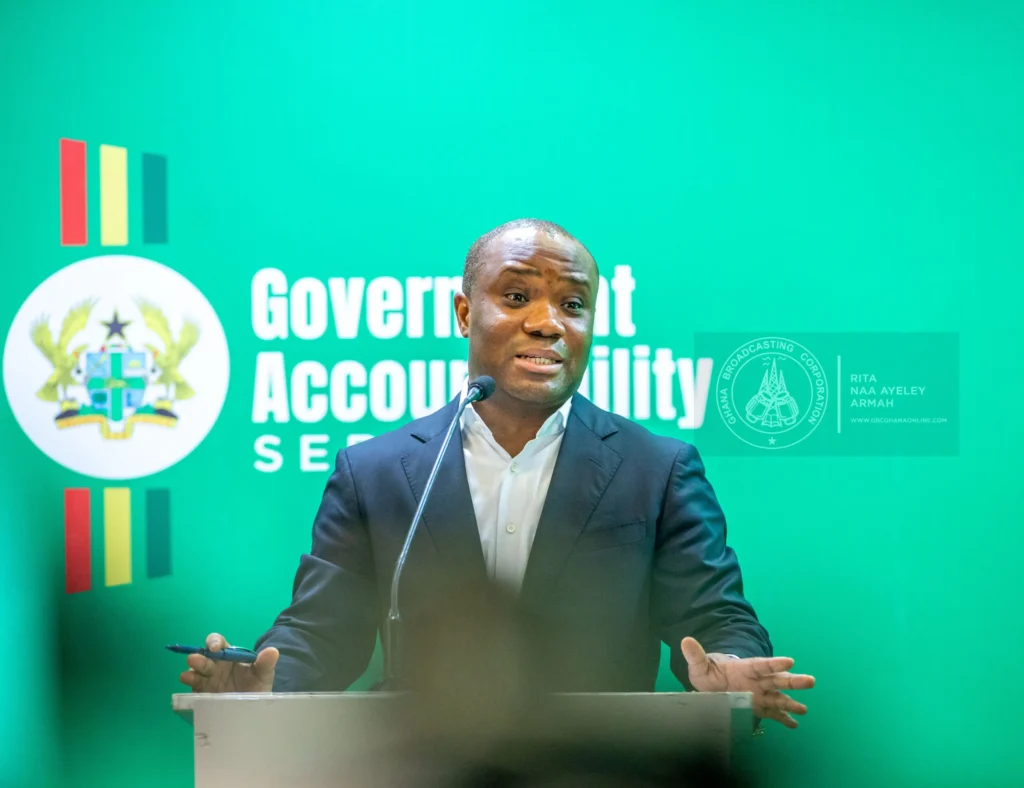
Aboagye Says Action, Not Words, Defines Ghana’s Image
Miracle Aboagye answered in a message addressed to “Hon. Felix.” He argued the label was not earned through busts inside Ghana. In his account, unprecedented quantities of cocaine passed through Ghanaian ports under the eyes of the government and security operatives, and were arrested only on foreign soil.
He claimed this happened about seven times within 20 months. “We can reject the name by action and not speaking,” he wrote. Kwakye Ofosu has used the same debate to defend the presidency’s record.
Speaking in a media interview, he said President Mahama directed security agencies to make Ghana’s ports “ironclad” against drug trafficking. The President had convened an urgent meeting of those agencies about two weeks earlier.
President Mahama later ordered an inter-agency task force to draw up a roadmap for stopping trafficking through the country’s borders. Ten people, including four officers of the Customs Division of the Ghana Revenue Authority, were reported to be in custody as investigations continue.

Hon Kwakye Ofosu also argued that arrests and seizures by the Ghana Police Service and the Narcotics Control Commission (NACOC) should not automatically be read as proof that Ghana is becoming a trafficking hub. The government maintains that anyone found to be involved will face due process.
Seizures Behind the Cocaine Coast Debate
The controversy gathered force after French customs seized nearly 3.9 tonnes of cocaine at the Port of Dunkirk on September 10. The drugs were hidden in a container of plastic waste that had arrived from Ghana.
The Minority in Parliament cites a second case, more than 3.3 tonnes seized at Pedu junction. Those figures have moved the narcotics trade from the margins of political talk to the centre of the national agenda.
The Minority, through Tolon MP Habib Iddrisu, filed a motion for an ad hoc committee to examine how the consignments were processed, inspected, cleared and exported.
Speaker Alban Bagbin ruled it inadmissible on September 29 under Standing Orders 5, 6 and 103, Sub-rule F. He held that the inquiry substantially overlapped with criminal investigations and court proceedings.
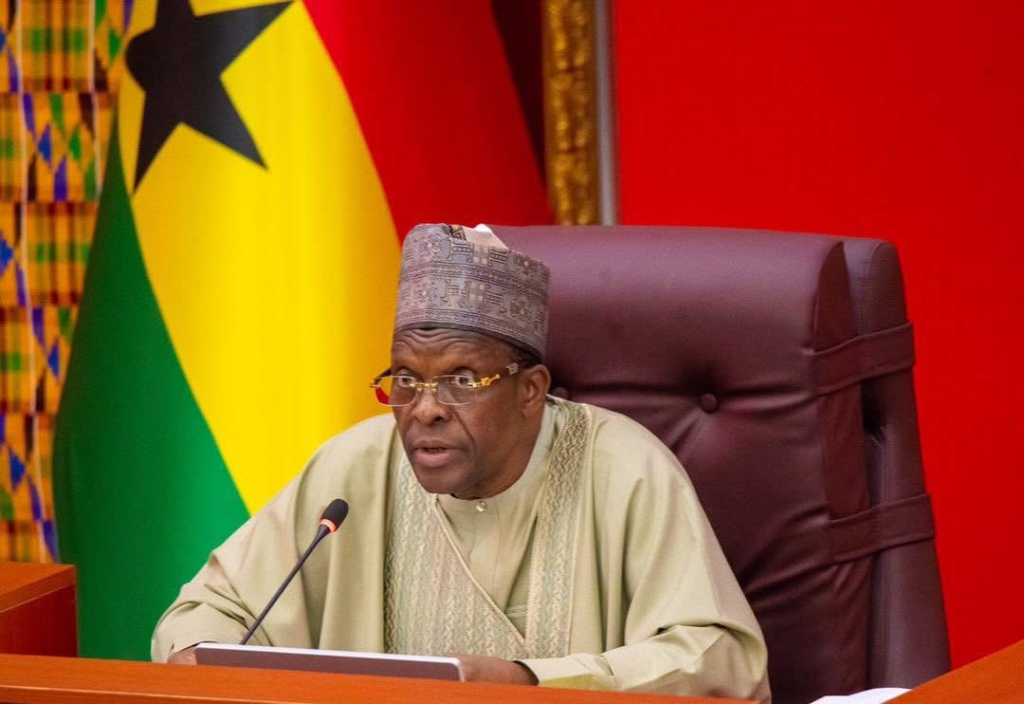
The Speaker stressed that his ruling was procedural and did not settle the allegations. Parliament, he said, can still question ministers and scrutinise port and border security.
Majority Leader James Agalga called the motion premature. He disclosed that close to 20 people have been arrested and arraigned, with some on remand. With several investigations running at once, he said, “The danger is that you may arrive at different conclusions.”
Minority Leader Alexander Kwamena Afenyo-Markin said the caucus would pursue another option under the Constitution and the Standing Orders, though he did not reveal it. He insisted the target was the state machinery meant to keep drugs out, and not the accused persons in court. “The image of our country is on trial,” he said.
He also warned that the NDC’s supermajority must never be used to weaken scrutiny or shrink Parliament’s oversight role.
What Comes Next for Ghana’s Reputation
For now, the Speaker’s ruling stands, and no ad hoc committee will sit. The war of words between Kwakye Ofosu and Aboagye shows how quickly the narcotics question has turned into a contest over Ghana’s reputation, and over who gets to define it.

Whether the label fades will depend on what the courts decide at home and on what the new port measures deliver in the months ahead.
READ ALSO: Diesel Buffer Tests Ghana’s Inflation-Fiscal Balance